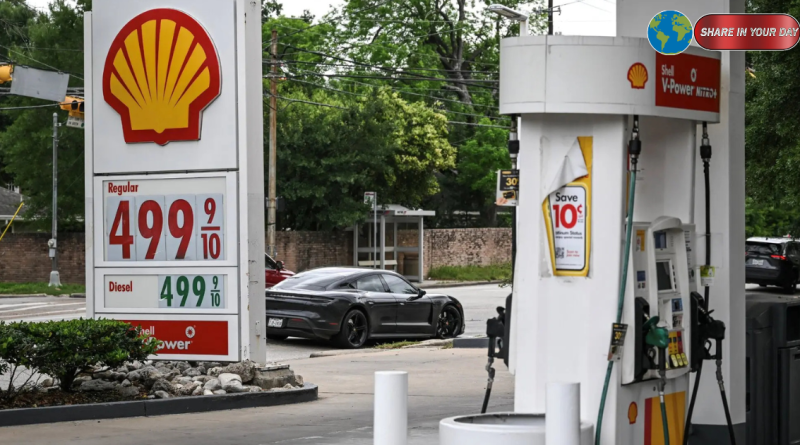
Shell Profit Surges Amid Iran War Oil Volatility
The “Shell profit Iran war” story is drawing global attention after energy giant Shell reported sharply higher earnings fueled by extreme oil market volatility linked to the ongoing conflict involving Iran.
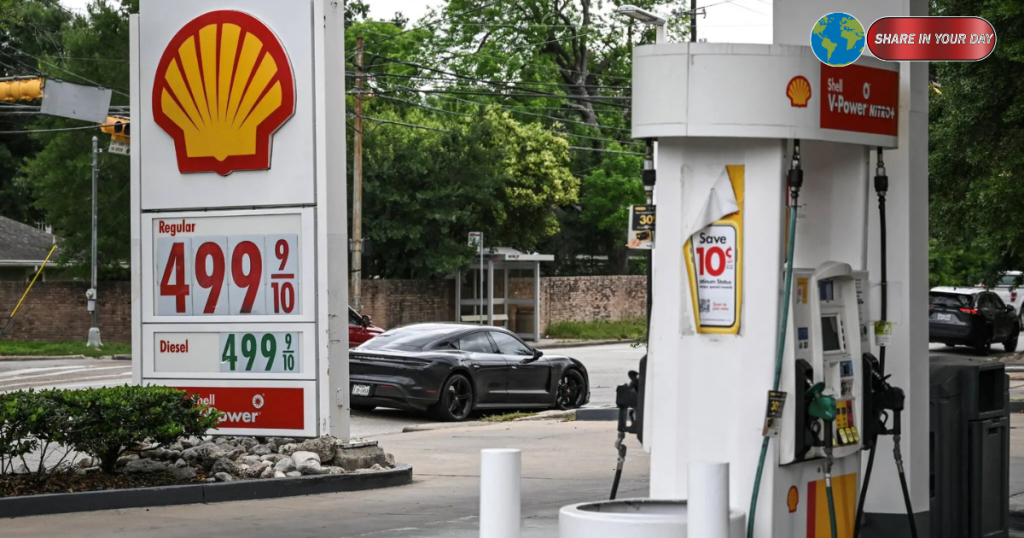
Shell announced first-quarter profits of approximately $6.9 billion, beating analyst expectations and marking one of the company’s strongest performances in recent years. The surge came as oil traders capitalized on dramatic swings in global crude prices triggered by instability in the Middle East.
The results have reignited criticism from climate activists and consumer advocates who argue that major oil companies are benefiting financially while households worldwide struggle with rising fuel and energy costs.
Shell Profit Iran War Impact Explained
The conflict surrounding Iran has disrupted global energy markets for months, particularly due to fears involving the Strait of Hormuz, one of the world’s most critical oil shipping routes.
At the height of the tensions, oil prices surged above $119 per barrel before later easing below $100 as hopes of diplomatic progress emerged.
This extreme volatility created major opportunities for oil trading divisions inside companies like Shell. Energy traders can generate substantial profits during periods of rapid price swings by moving crude oil, liquefied natural gas, and refined fuels into the most profitable markets.
Shell executives acknowledged that market instability played a significant role in boosting earnings during the quarter.
According to Reuters, Shell’s adjusted earnings reached $6.9 billion for the quarter, exceeding forecasts from analysts who expected around $6.36 billion.
The company also announced a 5% dividend increase despite ongoing uncertainty in the global energy sector.
Oil Trading Became a Massive Profit Driver
One of the biggest reasons behind the strong financial results was Shell’s trading operation.
During geopolitical crises, energy companies with sophisticated trading networks often gain an advantage because they can rapidly redirect fuel shipments and hedge against market risks.
Shell’s chemicals and products division reportedly generated nearly $1.93 billion in profit during the quarter, a dramatic increase from the previous year.
Analysts noted that sharp fluctuations in oil and natural gas prices created unusually favorable conditions for commodity trading desks.
Meanwhile, rising gasoline and energy prices affected consumers across Europe, Asia, and North America as the broader economic consequences of the conflict spread globally.
Middle East Conflict Also Hurt Shell Operations
Although Shell benefited financially from higher oil prices and trading activity, the company also faced operational disruptions caused by the conflict.
Reports indicated that Shell’s Pearl gas-to-liquids facility in Qatar suffered damage during regional attacks connected to the wider Middle East instability.
The facility is considered one of the world’s largest gas-to-liquids plants, making it strategically important to Shell’s energy operations.
Executives reportedly warned that integrated gas production could decline significantly in the coming quarter because of ongoing repair work and logistical complications.
Shell’s overall oil and gas production also fell roughly 4% during the quarter, partly due to the operational damage and shipping disruptions across the region.
However, the company’s trading and refining businesses more than compensated for those production losses financially.
Climate Activists Criticize “War Profits”
The strong earnings immediately triggered backlash from environmental campaigners and political activists.
Several climate organizations accused Shell and other major oil companies of profiting from geopolitical instability while ordinary people face rising living costs.
Environmental groups reportedly described the earnings as “windfall” or “blood money” profits tied to the humanitarian and economic consequences of war.
Activists are now renewing calls for governments to impose higher windfall taxes on energy companies that benefit from wartime price spikes.
Critics argue that revenue generated from those taxes could help support struggling households and accelerate investment into renewable energy infrastructure.
The debate mirrors similar controversies that emerged after Russia’s invasion of Ukraine caused global oil and gas prices to spike in earlier years.
Investors Focus on Long-Term Stability
Despite the impressive earnings report, some investors expressed concern about the long-term sustainability of Shell’s profits.
The company reduced its share buyback program from $3.5 billion to $3 billion in an effort to preserve liquidity amid ongoing uncertainty.
Shell’s debt levels also increased during the quarter because of market disruptions and higher financing costs.
At the same time, investors are paying close attention to how prolonged geopolitical instability may affect future production capacity and global energy demand.
Some analysts warned that extended conflict in the Middle East could eventually weaken economic growth worldwide by driving inflation higher and increasing transportation costs.
However, others believe major oil companies may continue benefiting financially as long as energy markets remain volatile.
Oil Prices Shape Global Politics Again
The “Shell profit Iran war” story highlights how deeply global politics and energy markets remain connected.
Even after years of investment into renewable energy, oil continues to play a central role in the world economy. Disruptions in key shipping lanes or major producing regions can rapidly affect fuel prices, inflation, airline operations, manufacturing, and household energy bills.
The Strait of Hormuz remains particularly important because roughly one-fifth of the world’s oil supply passes through the narrow waterway.
Any threat to shipping activity in the region immediately affects international markets.
That reality has allowed energy companies with strong global trading capabilities to generate major profits during periods of instability.
Big Oil Companies See Similar Gains
Shell is not the only energy giant benefiting from the recent market conditions.
Other major firms, including BP and TotalEnergies, also reported stronger earnings tied to higher oil prices and energy trading activity.
Some companies saw profits rise even as production volumes declined due to regional instability.
Industry analysts say the current environment favors firms with diversified global operations, large refining networks, and advanced commodity trading businesses.
Meanwhile, consumers in many countries continue dealing with elevated fuel prices and broader inflation pressures caused by energy market instability.
Future Uncertainty Remains High
Although oil prices recently eased on hopes of diplomatic progress involving Iran, uncertainty remains extremely high across global energy markets.
Investors, governments, and consumers are closely watching whether tensions in the Middle East escalate further or move toward de-escalation.
For Shell, the latest earnings report demonstrates how geopolitical crises can create both financial opportunities and operational risks simultaneously.
The company’s profits surged because of oil trading and price volatility, but damage to infrastructure and uncertainty over future production remain serious concerns.
As the Iran conflict continues shaping global markets, energy companies are likely to remain at the center of political, economic, and environmental debates worldwide.