Full Article
Deadly Hantavirus Cruise Outbreak Triggers Global Alert
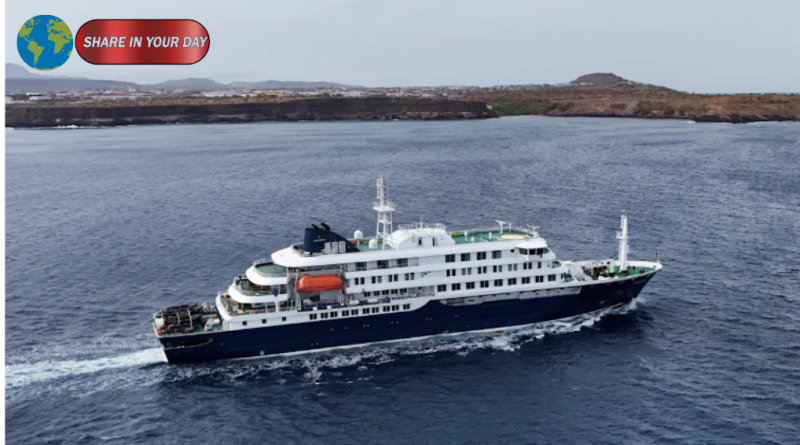
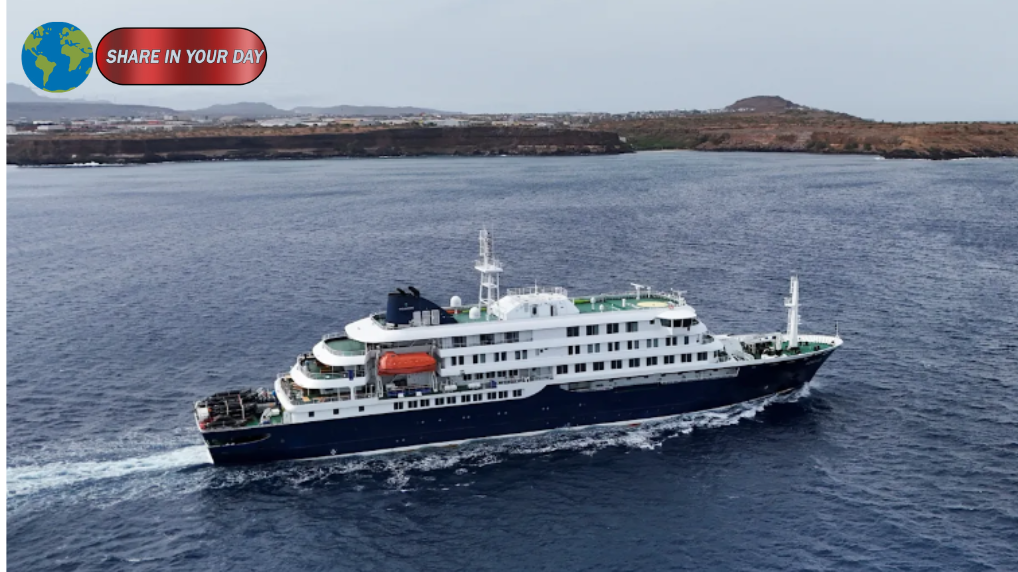
A deadly hantavirus cruise outbreak aboard the Dutch expedition vessel MV Hondius has triggered an international health response after multiple passengers died and dozens of potentially exposed travelers dispersed across several countries.
Health officials from the United States, Europe, Africa, and South America are now working urgently to trace passengers who may have come into contact with the rare Andes strain of hantavirus during the voyage. The outbreak has already resulted in at least three deaths and several confirmed infections, raising fears about possible human-to-human transmission.
The World Health Organization (WHO) has confirmed that the outbreak remains under investigation, while authorities attempt to contain the spread and monitor passengers who left the ship before the virus was fully identified.
What Happened on the MV Hondius?
The MV Hondius, a Dutch-flagged expedition cruise ship, departed from Ushuaia, Argentina, in early April for an “Atlantic odyssey” voyage across remote islands in the South Atlantic.
The deadly hantavirus cruise outbreak reportedly began after a Dutch passenger developed symptoms during the journey. The man later died onboard on April 11. His wife became ill shortly afterward and died in a Johannesburg hospital days later. A third passenger later also died from suspected complications linked to the virus.
As additional passengers began showing symptoms, health authorities launched an international investigation involving multiple governments and the WHO.
The ship later stopped near Cape Verde before receiving authorization to continue toward Tenerife in Spain’s Canary Islands for medical evaluation and passenger evacuation.
WHO Confirms Multiple Cases
According to the WHO, at least five confirmed infections and several suspected cases have been identified across multiple countries connected to the voyage.
Officials believe the outbreak involves the Andes strain of hantavirus, a particularly concerning variant because it can spread between humans under limited circumstances. Most hantavirus infections normally occur through exposure to rodent urine, saliva, or droppings rather than direct person-to-person transmission.
Health authorities stressed that the overall public risk remains low. However, the unusual cruise ship environment and the international movement of passengers have complicated containment efforts.
The WHO stated that additional infections could still emerge because passengers traveled globally before the outbreak was fully recognized.
Countries Rush to Track Exposed Travelers
The deadly hantavirus cruise outbreak has now become a multinational public health challenge.
Passengers from more than a dozen countries reportedly disembarked during different stages of the voyage, including travelers from the United States, Britain, the Netherlands, Switzerland, Germany, and South Africa.
The US Centers for Disease Control and Prevention (CDC) is reportedly monitoring individuals in several American states, including California, Arizona, Georgia, and Virginia.
British authorities are also monitoring exposed travelers after multiple suspected UK-linked cases emerged. One British passenger reportedly remains critically ill in South Africa, while another suspected case was identified on the remote island of Tristan da Cunha.
Swiss authorities additionally confirmed a positive case involving a traveler connected to the cruise ship.
The rapid international movement of passengers before the outbreak was identified has significantly increased the complexity of contact tracing operations.
Why the Andes Hantavirus Is Different
The deadly hantavirus cruise outbreak is drawing particular attention because investigators believe the virus involved may be the Andes hantavirus strain.
Unlike most hantavirus variants, the Andes strain has shown limited capability for human-to-human transmission in rare situations involving close contact.
Medical experts say the virus is usually associated with South America, especially Argentina and Chile.
Symptoms often begin with fever, fatigue, headaches, and muscle pain before progressing into severe respiratory distress in serious cases. The disease can lead to hantavirus pulmonary syndrome, which has a high fatality rate if untreated.
There is currently no approved vaccine or specific antiviral treatment for hantavirus infections. Doctors mainly focus on supportive hospital care and respiratory management.
Health officials continue investigating whether the infections onboard resulted primarily from environmental contamination involving rodents or through limited human transmission during the voyage.
Cruise Ship Quarantine Raises Global Memories
The MV Hondius outbreak has revived memories of major cruise ship health crises during the COVID-19 pandemic.
Passengers aboard the vessel reportedly faced extended quarantine conditions while authorities debated whether to allow disembarkation. Cape Verde initially restricted passengers from leaving the ship due to public health concerns.
Eventually, Spain authorized the vessel to approach the Canary Islands under strict medical supervision following coordination with the WHO and international health agencies.
Some residents in the Canary Islands reportedly expressed concerns about the ship’s arrival due to fears of another large-scale infectious disease incident. However, health experts emphasized that hantavirus spreads very differently from highly contagious respiratory viruses such as COVID-19.
WHO officials continue stressing that the outbreak does not currently represent a pandemic-level threat.
Scientists Investigate How the Virus Spread
Researchers are now working to determine exactly how the deadly hantavirus cruise outbreak began onboard the ship.
One leading theory suggests infected rodents or contaminated environments may have introduced the virus during earlier stages of the expedition in South America.
Investigators are examining ship ventilation systems, food storage areas, and passenger movement patterns to identify possible exposure points.
Medical teams are also conducting virus sequencing to confirm the exact strain involved and determine whether human-to-human spread occurred during the voyage.
Experts say understanding the transmission route will be critical for preventing future outbreaks on expedition cruises operating in remote regions.
Cruise Industry Faces Renewed Health Scrutiny
The deadly hantavirus cruise outbreak may also increase scrutiny of health protocols across the global cruise industry.
Expedition cruises visiting remote wildlife-rich regions have become increasingly popular in recent years. However, public health experts warn that travelers entering isolated ecosystems may face exposure to unusual infectious diseases not commonly encountered in traditional tourism settings.
The outbreak aboard the MV Hondius has already prompted discussions about stronger onboard disease surveillance, emergency isolation protocols, and passenger health screening for future voyages.
Cruise operators may also face pressure to improve rapid response systems when unexplained illnesses appear during international voyages.
What Happens Next?
As the ship continues toward Tenerife, authorities are expected to begin controlled evacuations and medical assessments for remaining passengers and crew.
Passengers linked to the deadly hantavirus cruise outbreak are being advised to monitor symptoms carefully and isolate if necessary.
The WHO believes the outbreak can still be contained if exposed individuals are identified quickly and monitored appropriately.
For now, global health officials remain focused on tracing potentially exposed travelers before additional cases emerge.
Although experts continue emphasizing that the risk to the broader public remains relatively low, the unusual outbreak has become one of the most closely watched international health incidents of 2026.