Adam Mosseri Instagram Trial: Shocking Testimony
The Adam Mosseri Instagram trial has placed Meta’s approach to teen safety under intense scrutiny, with the head of Instagram defending the company against accusations that its platforms were designed to keep young users engaged despite known concerns about their well-being.
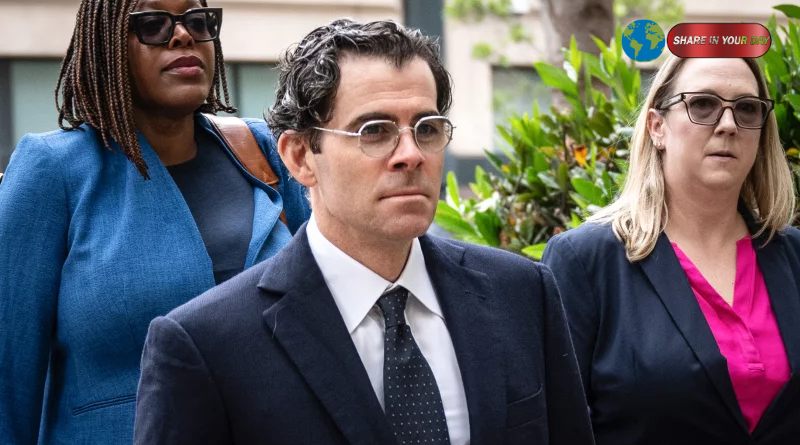
Mosseri appeared in federal court in Oakland, California, as part of a landmark case brought by U.S. states against Meta, the parent company of Instagram and Facebook. The lawsuit accuses Meta of deliberately designing its platforms to attract and retain children, while allegedly failing to adequately address risks involving mental health, privacy and harmful content.
At the center of Tuesday’s testimony was a safety tool called “Take a Break.” The feature was introduced in 2021 to encourage Instagram users to step away from the platform after spending a certain amount of time scrolling. However, prosecutors focused heavily on the fact that relatively few teenagers used the feature when it was optional.
Adam Mosseri Instagram Trial Focuses on “Take a Break”
The Adam Mosseri Instagram trial has highlighted a fundamental question: Were Meta’s safety tools genuinely designed to protect young users, or did the company move too slowly when those tools conflicted with user engagement?
During questioning, Mosseri acknowledged that teen adoption of “Take a Break” was extremely low before Instagram eventually made the feature part of the default experience for teen accounts.
Reuters reported that Mosseri said the percentage of teenagers using the feature before it became a default was in the low single digits. He also acknowledged that most teenagers did not initially want to use it.
The admission became a major point for prosecutors.
They argue that the low adoption rate demonstrates why making safety features optional may have been inadequate, particularly when the company knew teenagers were unlikely to activate them voluntarily.
Mosseri, however, rejected the suggestion that Meta intentionally delayed the feature for business reasons. He characterized the development process as part of the broader effort to improve Instagram’s safety and well-being tools over time.
Instagram Safety Feature Had Limited Teen Adoption
The “Take a Break” feature was introduced in December 2021. It was designed to remind users to leave Instagram after a selected period of continuous use.
Meta had promoted early testing of the feature as evidence that users who activated it could continue using it. Mosseri had previously written that more than 90% of teenage users who turned the feature on during early testing continued using it.
But prosecutors drew attention to a different statistic: very few teenagers actually turned the feature on in the first place.
According to reporting from Reuters, adoption remained in the low single digits before the feature became a default for teen accounts in 2024. Other reporting has put the early opt-in rate at approximately 1.8%.
That distinction is important.
A safety feature can have strong retention among people who voluntarily activate it while still reaching only a small portion of the population it is supposed to protect.
For prosecutors, that raises questions about whether Meta’s safety strategy was sufficient for teenagers who were unlikely to seek out protective settings themselves.
Meta Faces Allegations of Addictive Platform Design
The broader lawsuit goes well beyond the “Take a Break” feature.
California, Colorado, Kentucky and New Jersey are leading the trial against Meta. They are among 29 states that have accused the company of designing Facebook and Instagram in ways that could encourage compulsive use among children and teenagers.
The states argue that Meta’s product decisions contributed to serious risks involving youth mental health. Their allegations include claims involving anxiety, depression, suicidal behavior and other harms.
Meta strongly disputes those allegations.
The company has argued that its platforms do not cause adolescent mental health problems and that it has invested heavily in safety measures for younger users. The company has also maintained that it takes child safety seriously and has introduced numerous protections over the years.
The case is therefore not simply about one feature.
Instead, prosecutors are attempting to establish a broader pattern in which engagement was prioritized while safety concerns were allegedly treated as secondary.
Mosseri Rejects Claims That Meta Hid Safety Risks
Another important part of Mosseri’s testimony involved allegations that Meta suppressed or minimized internal information about risks to teenagers.
Mosseri rejected the suggestion that he encouraged employees to hide negative findings.
He said he wanted information about how Instagram affected young people and emphasized the importance of high-quality research. According to Reuters, Mosseri also denied knowing about an alleged policy in which lawyers reviewed internal presentations to remove sensitive information or shield senior executives from problems.
The issue became especially significant after testimony from Francesco Fogu, Instagram’s director of product design.
Fogu was questioned about a 2023 presentation prepared for Instagram leadership. Prosecutors highlighted a slide containing data suggesting that teenage users encountered more certain categories of harmful content than adults.
The data reportedly included categories such as bullying, suicide-related material, hate, nudity and violent content.
Fogu acknowledged that the information had been removed from one presentation slide, although he later testified that the figure appeared elsewhere in the presentation.
That exchange could become important as the court considers whether Meta was transparent about the risks its products posed to younger users.
Why the Instagram Child Safety Trial Matters
The Instagram child safety trial could become one of the most consequential legal battles involving a major social media company.
The states are seeking substantial penalties and changes to Meta’s business practices. Reuters reported that the states have indicated potential civil penalties could approach $200 billion.
The case also carries implications beyond financial damages.
If Meta is found liable, the court could potentially require changes to how Instagram and Facebook operate. Those changes could involve safety features, age protections, data practices and the design of features intended to increase engagement.
That could affect the broader technology industry.
Other social media companies face similar questions about how their products are designed for young people. Regulators, parents and lawmakers have increasingly questioned whether platforms should be permitted to rely primarily on teenagers to activate safety features themselves.
Meta Has Expanded Teen Safety Measures
Meta has continued to introduce new protections for younger users while the litigation proceeds.
In June 2026, Meta announced additional safety measures for Teen Accounts across Instagram, Facebook and Messenger. The company said the updates included age-appropriate content settings, AI-powered age assurance and expanded parental controls.
Meta has also introduced parental alerts designed to notify parents when a supervised teenager repeatedly searches for terms related to suicide or self-harm.
The company said those alerts became available globally in August 2026.
Those changes could become relevant to the legal debate because they show how Meta’s approach to youth safety has evolved.
However, prosecutors are primarily focused on what the company did and knew during the period covered by the lawsuit.
The central legal question is therefore not simply whether Meta has safety tools today. It is whether the company previously failed to take adequate action despite allegedly having information about risks affecting young users.
Previous Cases Have Increased Pressure on Meta
The Oakland case comes as Meta faces several other legal challenges involving children and social media.
Earlier in 2026, Meta faced an adverse verdict in a Los Angeles case involving a young plaintiff who alleged that she became addicted to Instagram and YouTube as a child. A jury found Meta and Google liable and awarded the plaintiff $6 million in damages.
Meta has also faced action from individual states over alleged harms to children.
New Mexico, for example, previously pursued a major case alleging that Meta’s platforms harmed young users. Reuters reported that a judge ordered Meta to pay hundreds of millions of dollars in connection with the state’s claims.
These cases create a growing legal environment in which courts are being asked to examine the relationship between social media design, user engagement and youth safety.
What Could Happen Next in the Adam Mosseri Instagram Trial?
Mosseri’s testimony is expected to continue, making his evidence one of the most closely watched parts of the case.
The federal trial is expected to last roughly six weeks. The four states involved in the current proceeding are presenting their case against Meta, while other states involved in the larger legal campaign are expected to pursue separate trials later.
Jurors are expected to provide an advisory verdict. The final determination of liability and potential penalties will be made by U.S. District Judge Yvonne Gonzalez Rogers, according to Reuters.
That means the consequences could extend well beyond the courtroom.
A ruling against Meta could encourage additional lawsuits and increase pressure on lawmakers to impose stronger requirements on social media platforms.
A ruling in Meta’s favor, meanwhile, could make it more difficult for states and plaintiffs to establish that platform design itself creates legal responsibility for youth-related harms.
The Bigger Debate Over Teen Social Media
The Adam Mosseri Instagram trial reflects a much larger debate over the responsibilities of technology companies.
Social media platforms are built around engagement. Their recommendation systems, notifications, feeds and other features are designed to keep users returning.
For adults, that can raise questions about productivity and digital well-being.
For teenagers, however, the stakes are different.
Young people are still developing emotionally and socially. Critics of social media companies argue that platforms should therefore take additional responsibility when their products are used extensively by minors.
Meta’s position is that it has developed tools, policies and parental controls to address those concerns. The company points to continued investments in teen safety and argues that the evidence does not establish that Instagram itself causes the mental health problems alleged by the states.
The trial will require the court to examine those competing claims carefully.
Adam Mosseri Testimony Puts Meta’s Safety Strategy Under the Microscope
Adam Mosseri’s appearance in court has provided an unusually detailed look at how Instagram approached one of its most prominent teen safety features.
His acknowledgment that relatively few teenagers used “Take a Break” before it became a default setting gives prosecutors a powerful fact to emphasize. At the same time, Meta argues that focusing on one feature ignores the broader range of safety measures it has developed.
The testimony from Mosseri and other Meta employees could ultimately help determine whether the company acted responsibly as concerns about young users increased.
For parents and teenagers, the case also raises a practical question: Should important safety protections depend on young users choosing to activate them?
That question reaches far beyond Instagram.
As governments and courts around the world examine social media’s impact on children, the outcome of this trial could influence how technology companies design their products for younger audiences for years to come.
For now, the Adam Mosseri Instagram trial remains ongoing, with additional testimony expected as the court continues examining Meta’s policies, product decisions and responsibility for protecting children online.