Oil Prices Rise 1% as Iran Strikes Threaten Supply
Oil prices climbed about 1% on Wednesday as renewed fighting between the United States and Iran intensified concerns over global energy supplies. Brent crude settled 98 cents higher at $95.63 a barrel, while U.S. West Texas Intermediate crude gained 79 cents to $91.01.
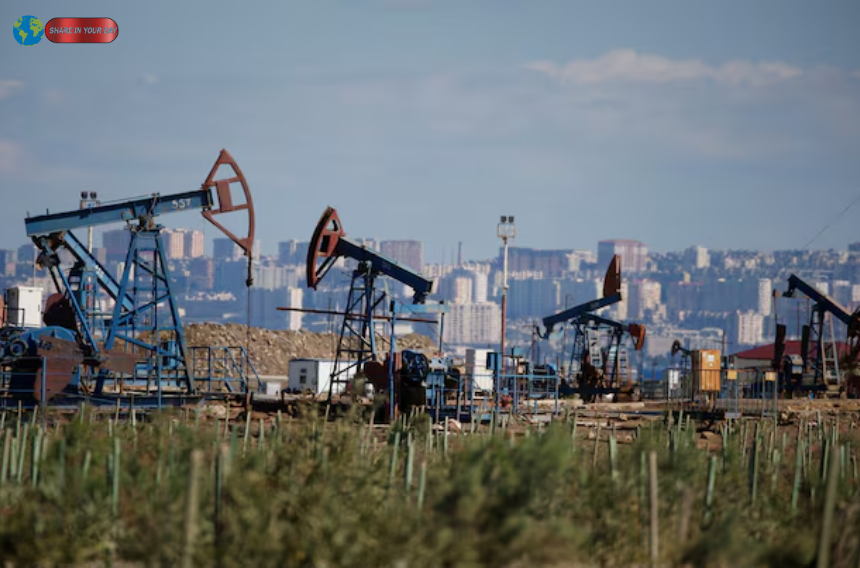
The latest increase came as U.S. forces carried out strikes along Iran’s southern coast and Tehran responded with attacks on U.S. bases in the region. The exchange marked one of the most intense episodes of fighting between the two countries since July, adding another layer of uncertainty to an already fragile global oil market. RReuters
For traders, the immediate concern is not simply the military confrontation itself. The bigger question is whether the conflict will further restrict the movement of oil through the Strait of Hormuz, one of the world’s most important energy shipping routes.
Oil Prices Gain as Supply Risks Return
The latest move higher in oil prices reflects a familiar pattern in energy markets: when geopolitical tensions threaten physical supplies, traders quickly add a risk premium to crude.
Brent crude, the international benchmark, finished the session at $95.63 per barrel. U.S. crude, known as West Texas Intermediate or WTI, ended at $91.01.
Although the daily gains were relatively modest, the market remains highly sensitive to developments in the Middle East. Oil prices have already experienced sharp swings during the conflict as investors have attempted to balance the risk of supply disruptions against concerns about weaker global demand.
The renewed fighting has increased that uncertainty.
A prolonged conflict could disrupt production, transportation and refining operations across the region. Even if major oil fields remain physically intact, restrictions on shipping can reduce the amount of crude reaching international buyers.
That is particularly important because the Strait of Hormuz connects the Persian Gulf with the wider global market.
Strait of Hormuz Becomes a Major Market Concern
The Strait of Hormuz is once again at the center of the oil market’s attention.
Before the conflict, the waterway handled a significant share of global oil shipments. Its strategic importance means even relatively small changes in tanker traffic can influence market expectations.
Reuters reported that only four commodity vessels passed through the strait on Tuesday, compared with a 10-day average of about 13. The ships included several different types of tankers and bulk carriers, although shipping data can change because vessels sometimes switch off their tracking transponders. RReuters
The reduction in traffic is important because oil markets depend not only on production but also on transportation.
A country can continue producing crude, but if tankers cannot safely move that oil to international customers, effective supply can still fall.
The same concern applies to liquefied natural gas and other commodities moving through the region.
That creates a difficult environment for energy companies, traders and governments attempting to assess how much supply is genuinely available.
Why the Oil Market Is Watching Shipping Data
Physical shipping data has become an increasingly important indicator for investors.
Financial markets can react immediately to reports of military strikes, but actual tanker movements provide a clearer picture of whether the conflict is affecting commodity flows.
The latest figures suggest that shipping through the Strait of Hormuz remains well below normal levels.
Reuters also reported that traffic through the Bab el-Mandeb Strait was below its recent average. Only 18 commodity vessels were recorded there compared with a 10-day average of approximately 24. RReuters
Both waterways are strategically important for global commerce.
A sustained decline in traffic could increase insurance costs, delay deliveries and encourage shipping companies to seek alternative routes. Those additional costs can eventually feed into crude prices and consumer energy bills.
However, markets are also looking for evidence that alternative supply routes can reduce the impact.
That has helped prevent oil prices from rising even more sharply.
Iraq Boosts Exports as Market Seeks Alternatives
One factor limiting the upward pressure on oil prices is the availability of additional crude from producers outside the most affected routes.
Iraq has increased oil exports as the market adjusts to disruptions elsewhere. Additional barrels from producers with access to alternative export infrastructure can help compensate for some losses.
The effect, however, depends on how much additional oil can actually reach international customers.
If the disruption through Hormuz becomes prolonged, spare capacity and alternative transportation routes could become increasingly important.
The market is therefore watching not just Iran and the United States, but also major producers across the Middle East.
The ability of those countries to maintain production and export flows could determine whether the current price increase remains limited or develops into a much larger energy shock.
OPEC+ Faces a Difficult Balancing Act
The Organization of the Petroleum Exporting Countries and its allies, known as OPEC+, are also under scrutiny.
The group is expected to maintain its current oil output policy for October at its upcoming meeting, according to sources cited by Reuters. RReuters
That decision could become more complicated if geopolitical disruptions continue.
OPEC+ has already completed a phased rollback of a major production cut that began in 2023. The group is now increasingly focused on future production levels and the baseline capacities of its members.
Ordinarily, higher production can help prevent a geopolitical supply shock from pushing crude prices sharply higher.
But the current situation is different.
Increasing production does little to solve a transportation bottleneck if tankers cannot safely move crude through a key maritime route.
This distinction is crucial for understanding the current oil market.
The world may have enough oil underground and even sufficient production capacity, but physical access to international markets can still become the limiting factor.
U.S. Oil Inventories Provide Another Support
Another factor supporting oil prices was a decline in U.S. crude inventories.
U.S. crude stocks fell by about 4.5 million barrels during the latest week, a larger decline than analysts had expected. RReuters
Inventory data matters because it provides a snapshot of supply and demand conditions in the world’s largest oil-consuming economy.
A larger-than-expected draw can suggest stronger demand, tighter supply or both.
When inventories decline at the same time that geopolitical risks are increasing, traders can become more willing to bid prices higher.
Still, inventory movements should not be viewed in isolation.
The broader economic environment remains important. Higher oil prices can increase transportation and production costs, potentially reducing consumer spending and economic activity.
That creates a natural limit to how far crude prices can rise without affecting demand.
Oil Prices Face a Tug-of-War Between Supply and Demand
The central challenge for oil traders is the conflict between supply risks and demand concerns.
On one side, military escalation threatens physical oil flows. A major disruption could send crude significantly higher.
On the other side, expensive energy can weaken economic activity and reduce fuel consumption.
This creates a complicated market dynamic.
If oil becomes too expensive, consumers and businesses may cut usage. Airlines can reduce capacity, drivers may limit travel and industrial companies can look for ways to reduce fuel consumption.
At the same time, higher energy costs can contribute to inflation.
That could force central banks to maintain tighter monetary policies for longer, creating another potential drag on economic growth.
The result is a market where every new military development can produce a sharp reaction, while economic data can quickly reverse part of the move.
Global Markets Watch the Next Move
The latest rise in oil prices also has implications beyond the energy sector.
Higher crude prices can influence inflation, currencies, government finances, transportation costs and corporate earnings.
For oil-importing economies, more expensive crude can increase the cost of gasoline, diesel and other petroleum products.
For major oil exporters, higher prices can provide additional revenue, although prolonged instability can create its own economic and security risks.
Financial markets are therefore watching the conflict closely.
Investors are particularly focused on whether the latest strikes remain contained or lead to broader attacks on energy infrastructure and shipping.
A significant expansion of the conflict could trigger a much stronger reaction in crude markets.
By contrast, any credible reduction in tensions could remove some of the geopolitical premium currently embedded in oil prices.
What Could Happen Next to Oil Prices?
The next direction for oil prices will depend heavily on developments around the conflict and the Strait of Hormuz.
If tanker traffic remains severely restricted, traders could increasingly price in a prolonged physical supply shortage.
That scenario could push Brent crude higher and increase pressure on fuel prices around the world.
If shipping activity begins to recover, some of the risk premium could disappear.
Another important factor will be the response from major oil-producing countries.
Additional exports from Iraq or other producers could help cushion the market. OPEC+ decisions will also matter, particularly if members are willing and able to increase actual production rather than simply adjust quotas.
Meanwhile, U.S. inventory data will remain an important indicator of domestic market conditions.
The market will also monitor economic data for signs that high energy costs are beginning to weaken demand.
Energy Markets Enter a Volatile Period
The latest 1% increase in oil prices may appear modest compared with some of the larger moves seen during the conflict.
However, the underlying market risks remain significant.
The most important issue is whether the latest military escalation produces a sustained reduction in physical energy flows.
Shipping activity through the Strait of Hormuz remains below its recent average, while the conflict continues to create uncertainty for traders and energy companies. RReuters
At the same time, additional supply from other producers, expectations surrounding OPEC+ policy and changes in U.S. inventories could prevent prices from moving sharply higher.
That leaves the oil market caught between competing forces.
For now, geopolitical risk is supporting crude prices. But the strength and duration of that support will depend on what happens next in the Middle East.
As long as uncertainty surrounds shipping through the region’s major energy corridors, oil prices are likely to remain highly sensitive to every military, diplomatic and supply-side development.
For consumers and businesses, the biggest risk is that a temporary geopolitical premium turns into a prolonged physical supply problem.
For investors, the next few weeks could therefore be critical in determining whether crude remains near current levels or moves into a significantly higher price range.
The oil market has repeatedly demonstrated that expectations can change faster than physical supply chains.
With the United States and Iran still trading strikes and tanker traffic constrained, that lesson is once again shaping the global energy market.