Congo Ebola Outbreak: 3,007 Deaths in 2026
The Congo Ebola outbreak has reached a devastating milestone, with more than 3,000 people confirmed dead and more than 6,100 confirmed cases, according to new government figures reported by The Associated Press. The outbreak is spreading at an unprecedented pace, raising concerns that health authorities are struggling to contain the virus.
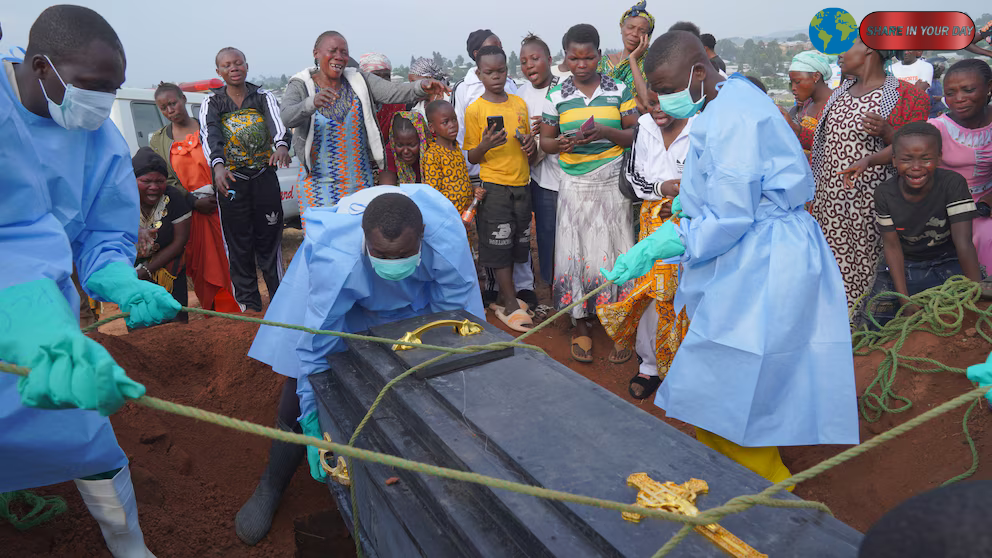
Data from the Democratic Republic of Congo’s Ministry of Health showed 6,186 confirmed cases and 3,007 deaths as of Sept. 2, 2026. The outbreak has now become the largest and deadliest Ebola outbreak ever recorded in the country.
The situation is particularly serious in eastern Congo, where health workers are operating amid armed conflict, population displacement and limited medical infrastructure. Those conditions are making it harder to identify cases, trace contacts and provide timely care.
Meanwhile, the World Health Organization continues to classify the outbreak as a Public Health Emergency of International Concern. WHO’s latest detailed update, published Aug. 28, reported 5,794 confirmed cases and 2,786 deaths in Congo as of Aug. 26, showing how quickly the outbreak has continued to grow.
Congo Ebola Outbreak Continues to Spread
The current outbreak involves Bundibugyo virus, a species of Ebola that is different from the virus responsible for several previous major Ebola epidemics.
The outbreak began in May 2026. It was initially concentrated in the Mongbwalu health zone in Ituri Province. However, transmission quickly expanded into other parts of the country.
By Aug. 26, WHO had recorded cases in 60 health zones across six provinces: Bas-Uélé, Haut-Uélé, Ituri, North Kivu, South Kivu and Tshopo.
Ituri remains the epicenter.
WHO reported 4,802 confirmed cases in Ituri as of Aug. 26. North Kivu was the second-most affected province, with 775 confirmed cases.
The expansion is important because every new affected health zone creates additional challenges for surveillance and contact tracing.
Health officials must identify infected people, determine who they have been in contact with and monitor those contacts for symptoms. When transmission moves into a new community, that entire process must effectively begin again.
More Than 3,000 Deaths Reported
The latest government figures represent a sharp increase from the numbers published by WHO only days earlier.
On Aug. 26, WHO reported 5,794 confirmed cases and 2,786 deaths in Congo. By Sept. 2, the Ministry of Health reported 6,186 confirmed cases and 3,007 deaths.
That means the government figures reported by AP showed an increase of hundreds of confirmed cases and more than 200 deaths within a matter of days.
Some increases in reported numbers can occur because health authorities expand surveillance, improve laboratory testing or reconcile previously delayed data.
However, WHO said the sustained increase in cases and deaths also reflects continued transmission and substantial expansion of the outbreak.
The scale of the crisis has prompted renewed concern from international health organizations.
The outbreak has already surpassed the previous largest Ebola outbreak recorded in Congo. WHO said the current epidemic is the largest Ebola outbreak ever reported in the country, regardless of Ebola virus species.
Health Workers Face Dangerous Conditions
One of the biggest obstacles to controlling the Congo Ebola outbreak is the environment in which health workers are operating.
Eastern Congo has experienced prolonged conflict and insecurity. Armed violence and population displacement can make it difficult for response teams to safely reach affected communities.
WHO reported that insecurity and displacement are disrupting access to healthcare and essential services while also restricting the ability of response teams to investigate cases and follow contacts.
Health workers are also under pressure from the sheer size of the outbreak.
AP reported that medical workers have gone on strike multiple times to demand payment. At the same time, health facilities must continue treating patients while protecting staff from infection.
This creates a difficult cycle.
If fewer health workers are available, patients may wait longer for medical attention. Delayed treatment can increase the risk of severe disease, while inadequate infection-control measures can increase exposure among healthcare workers and other patients.
WHO has therefore emphasized the importance of clinical care, infection prevention and control, laboratory testing and surveillance as key components of the response.
Conflict and Population Movement Complicate the Response
The outbreak is unfolding in communities affected by conflict, displacement and high population mobility.
WHO estimates that more than 26 million people in Congo face acute food insecurity. It also reports that roughly one million internally displaced people live in Ituri Province alone.
Crowded living conditions can make disease-control measures more difficult.
Limited access to clean water, sanitation and healthcare can further complicate infection prevention. Mining communities and informal settlements are particularly challenging environments for health teams to monitor.
Population movement is another concern.
People may move between communities for work, trade, family reasons or safety. WHO has warned that cross-border population movement creates a continuing risk of Ebola being exported to neighboring countries.
The organization has maintained that cross-border cooperation and surveillance remain essential.
At the same time, WHO does not currently recommend travel or trade restrictions against affected countries.
Bundibugyo Virus Creates a Vaccine Challenge
Another major challenge is the virus itself.
The outbreak is caused by Bundibugyo virus disease, a form of Ebola for which there is currently no approved vaccine or specific treatment designed specifically for the disease.
Scientists are working to develop better tools.
WHO has been supporting research into candidate vaccines and treatments. A clinical trial investigating potential treatments for Bundibugyo virus disease began enrollment in July and has been operating at treatment facilities in Ituri.
Meanwhile, health authorities have begun using the Ervebo vaccine among frontline workers in some parts of Congo.
However, WHO cautions that Ervebo’s effectiveness against Bundibugyo virus in humans is not yet known. The organization has recommended studying its use through a clinical trial to generate evidence about whether it can protect people during the current outbreak.
That makes the current response scientifically challenging.
Ervebo has been an important tool against Ebola virus disease caused by the Zaire species. But the current epidemic involves a different virus species.
Why Early Detection Matters
Early detection is one of the most important tools available to health officials.
Bundibugyo virus disease can initially resemble other illnesses.
WHO says early symptoms can include fever, fatigue, muscle pain, headache and sore throat. Those symptoms are not unique to Ebola, making laboratory testing particularly important for confirming infections.
The incubation period can range from two to 21 days.
Once symptoms begin, infected individuals can transmit the virus through direct contact with blood, secretions, organs or other bodily fluids. Transmission can also occur through contaminated materials and surfaces.
Healthcare facilities can become important transmission points if infection-prevention measures are inadequate.
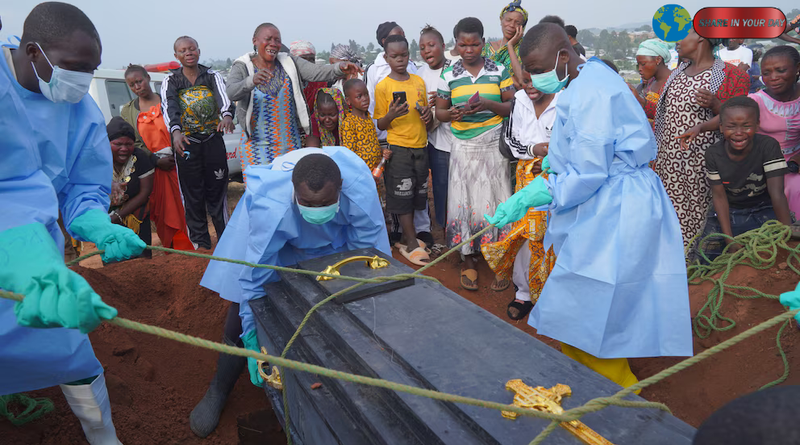
Unsafe burial practices can also increase transmission because people may come into direct contact with the body of someone who died from Ebola.
For that reason, response teams focus heavily on safe burials, isolation, laboratory confirmation and contact monitoring.
Contact Tracing Remains Essential
Contact tracing allows health authorities to identify people who may have been exposed to an infected person.
As the outbreak grows, however, the number of contacts requiring monitoring grows as well.
WHO reported that more than 26,800 contacts required follow-up as of Aug. 26, with 22,091 seen during the preceding 24-hour period. That represented an 82.3% follow-up rate.
The figures illustrate the enormous workload facing response teams.
Every confirmed case can generate numerous contacts. Each contact may then require daily monitoring for symptoms during the relevant observation period.
In communities affected by conflict and displacement, maintaining that system becomes considerably harder.
Missing even a small number of contacts can allow a transmission chain to continue unnoticed.
WHO Maintains International Emergency Status
The international community continues to monitor the outbreak closely.
WHO declared the Bundibugyo virus epidemic in Congo and Uganda a Public Health Emergency of International Concern in May 2026.
Following a second meeting of the International Health Regulations Emergency Committee in August, WHO maintained that emergency status.
The decision reflects the scale and speed of the outbreak.
WHO assessed the risk within Congo as very high because of ongoing transmission, geographic expansion and the possibility of further national and regional spread.
For countries sharing land borders with Congo, WHO assessed the risk as high.
Uganda, the Central African Republic and South Sudan were identified as countries of particular concern because of their proximity, population mobility and connections with affected areas.
The global risk was assessed as low, but WHO continues to emphasize preparedness and surveillance.
The Outbreak Could Surpass the Deadliest Ebola Epidemic
The current outbreak has already become Congo’s deadliest Ebola epidemic.
But health officials are warning that the final death toll could become even more severe.
AP reported that WHO believes the outbreak is on track to exceed the deadliest Ebola outbreak previously recorded: the West African epidemic of 2014–2016, which killed approximately 11,000 people.
That comparison is alarming because the current outbreak has reached more than 3,000 confirmed deaths in only a few months.
Africa CDC has also warned that the true number of infections could be considerably higher than official confirmed figures because surveillance and contact tracing remain weak in some areas. AP reported that the agency believes the outbreak could potentially be several times larger than the recorded case count.
If that assessment is correct, the official numbers may represent only part of the epidemic.
Schools and Communities Add New Concerns
The reopening of schools has created another challenge.
AP reported concerns about the possibility of transmission in classrooms as schools resume normal activities during the outbreak.
Schools can bring large numbers of children and adults together.
That does not mean schools are automatically major sources of Ebola transmission. However, crowded environments require effective hygiene, symptom awareness and rapid referral when suspected infections occur.
Community cooperation remains equally important.
WHO has repeatedly emphasized that communities must be involved in outbreak responses. People are more likely to report symptoms, cooperate with contact tracing and accept medical care when they trust health authorities and understand why public health measures are necessary.
What Happens Next?
The next phase of the Congo Ebola outbreak will depend on whether response operations can catch up with transmission.
Several priorities will be crucial.
First, authorities need to expand testing and surveillance. Faster confirmation can allow patients to receive care sooner and enable response teams to identify contacts more quickly.
Second, health workers need protection, reliable resources and safe access to affected communities.
Third, contact tracing must keep pace with new cases.
Fourth, researchers need to accelerate work on vaccines and treatments specifically targeting Bundibugyo virus.
Finally, community engagement must remain central to the response.
WHO says its current response includes surveillance, laboratory testing, infection prevention and control, clinical care, community engagement, research, logistics and essential health services.
A Race Against Time
The Congo Ebola outbreak has become one of the world’s most serious infectious-disease emergencies in 2026.
More than 6,100 confirmed cases and more than 3,000 deaths represent a staggering human toll. The virus has also spread across six provinces, while conflict, displacement, population movement and limited health infrastructure continue to complicate containment efforts.
The latest figures show that the outbreak is not yet under control.
Although improved testing and surveillance can contribute to increases in reported cases, WHO says continued transmission and geographical expansion are major reasons for the rising numbers.
The response is therefore entering a critical period.
Health officials must move quickly to identify cases, protect medical workers, trace contacts and prevent new transmission chains. Researchers are also racing to determine whether existing vaccines can provide protection and to develop effective treatments for Bundibugyo virus disease.
For Congo’s affected communities, the crisis is already devastating.
For the international health community, the growing outbreak is a warning that rapid detection, strong healthcare systems and trusted community-based responses remain essential when a dangerous infectious disease begins spreading faster than containment efforts can respond.
The coming weeks will be critical in determining whether the Congo Ebola outbreak can finally be slowed or whether it will continue moving toward an even larger humanitarian and public health catastrophe.