Trump Venezuela Oil Deal: 5 Historic Reveals
The Trump Venezuela oil deal announced Friday could reshape the energy relationship between the United States and Venezuela, with President Donald Trump saying Washington has secured majority control of more than 65 billion barrels of proven Venezuelan oil reserves.
Trump described the agreement as the “biggest oil deal in world history.” The announcement comes as the United States faces pressure over energy prices and seeks greater control over reliable crude supplies.
The agreement is also being presented as a major economic opportunity for Venezuela. Officials in Caracas said the plan could attract about $100 billion in private investment and generate more than $209 billion in tax revenue for the Venezuelan state.
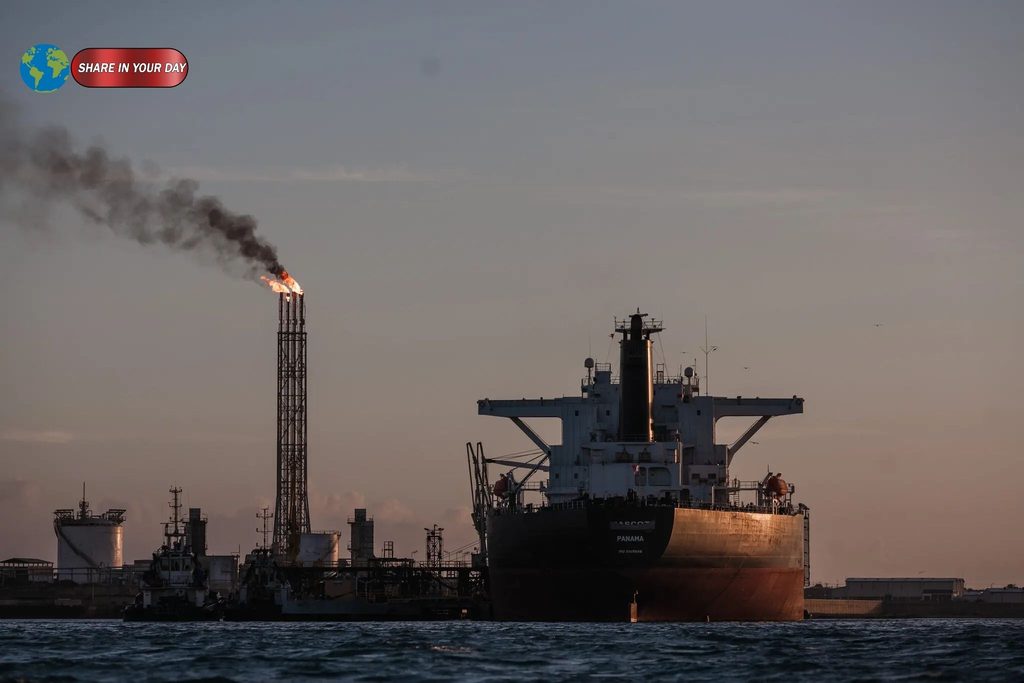
However, major questions remain. The full legal structure of the agreement has not been publicly detailed, and analysts have raised concerns about Venezuela’s aging oil infrastructure, investment rules and the practical timeline for increasing production.
Here are five major developments to understand.
1. Trump Venezuela Oil Deal Targets More Than 65 Billion Barrels
The headline figure behind the Trump Venezuela oil deal is more than 65 billion barrels of proven oil reserves.
Trump said the United States would obtain majority control of those reserves through a partnership involving private businesses. According to Reuters, the plan is intended to revive Venezuela’s oil sector while increasing energy supplies available to the United States.
That figure is enormous, but it is important to distinguish between oil reserves and actual production.
Having large proven reserves does not mean that all of the oil can immediately enter the global market. Venezuela has some of the world’s largest petroleum resources, but its oil industry has suffered from years of underinvestment, declining infrastructure and operational problems.
Much of Venezuela’s crude is also particularly heavy and requires specialized refining capacity.
As a result, the agreement could eventually increase oil supplies, but additional production is unlikely to appear overnight.
For readers following global energy markets, this distinction is critical.
[Internal link opportunity: Venezuela oil reserves explained]
2. The Deal Could Bring $100 Billion Into Venezuela
The economic argument for the agreement extends beyond the United States.
Venezuelan officials said the arrangement could attract more than $100 billion in private investment into the country’s energy industry. The government also said the project could generate more than $209 billion in taxes.
That would represent a potentially significant source of revenue for a country whose oil industry has struggled for years.
The proposed investment would be directed toward rebuilding and expanding production. Venezuelan officials said the agreement includes development of 17 strategic oil fields.
If implemented successfully, the investment could help modernize production facilities, improve transportation infrastructure and increase Venezuela’s ability to process and export crude.
The potential benefits would not be limited to the oil industry.
A large investment program could create demand for construction, engineering, transportation, equipment and other services. It could also increase government revenue if higher production and exports translate into greater tax receipts.
Nevertheless, those benefits depend on implementation.
A promise of investment is not the same as money already spent. Investors will still need to evaluate political, legal and commercial risks before committing capital to individual projects.
3. The United States Wants More Than Oil
The Trump Venezuela oil deal is also about U.S. energy security.
Trump has argued that greater access to Venezuelan crude could help increase American energy supplies and lower gasoline prices. His administration is simultaneously dealing with concerns about fuel costs and petroleum inventories.
Reuters reported that the agreement comes as Washington seeks to stabilize gasoline prices and replenish the Strategic Petroleum Reserve.
Venezuelan crude could have strategic value for U.S. refiners because of the historical links between Venezuelan heavy oil and specialized refining capacity on the U.S. Gulf Coast.
Greater access to Venezuelan production could therefore strengthen an existing energy relationship.
But the timing of additional supply matters.
Even if billions of dollars are invested, developing oil fields and rebuilding damaged infrastructure can take years. Production increases require drilling, maintenance, pipelines, processing facilities and export infrastructure.
Therefore, consumers should not assume that the agreement will immediately translate into cheaper gasoline at American fuel stations.
Oil prices are determined by a wide range of factors, including global demand, geopolitical tensions, refinery capacity, shipping costs and production from other major exporters.
The Venezuelan agreement could become important over time, but its immediate effect may be more limited.
[Internal link opportunity: How U.S. oil prices affect gasoline prices]
4. Venezuela Could Receive a Major Economic Lifeline
For Venezuela, the agreement could represent one of the most consequential economic developments in years.
The country’s oil industry has enormous resource potential, but production capacity has been constrained by years of economic crisis, sanctions, infrastructure deterioration and political uncertainty.
The new arrangement could provide access to capital, technology and international oil companies capable of rebuilding production.
Venezuelan interim President Delcy Rodríguez has supported the agreement, saying it could help revive the country’s economy. Venezuelan officials said the plan would develop 17 fields and create a major new investment program.
That could give Caracas a powerful incentive to maintain cooperation with Washington.
The potential tax revenue is particularly important.
More than $209 billion in projected taxes would give the Venezuelan government substantial fiscal resources if the development proceeds as planned. Those funds could potentially support public services, infrastructure and economic reconstruction.
Yet the political consequences are equally significant.
For decades, Venezuela has treated its oil resources as a central component of national sovereignty. Greater American involvement in the sector therefore carries political implications beyond simple commercial investment.
The question will be whether the agreement can balance foreign investment with Venezuelan control over its natural resources.
5. The Biggest Questions Are Still Unanswered
Despite Trump’s dramatic announcement, some of the most important details of the Trump Venezuela oil deal remain unclear.
The precise legal structure of U.S. control has not been fully explained publicly. It is also unclear how ownership, production rights, revenue sharing and decision-making authority will work across the individual projects.
Reuters noted that the agreement’s exact legal and structural details remain unclear. Analysts have also questioned how quickly the proposed investment could translate into higher production.
These questions matter because Venezuela has a long history of state control over its petroleum sector.
The country nationalized its oil industry decades ago, and any major restructuring involving foreign companies could face legal and political complications.
There is also the issue of infrastructure.
Venezuela’s oil industry needs significant investment to restore production capacity. Oil fields, pipelines, refineries and export terminals all require maintenance and modernization.
The quality and reliability of those assets will determine how much additional crude can actually reach international markets.
Another issue is the price of oil.
If global crude prices fall sharply, some projects could become less attractive to investors. Conversely, sustained high prices could accelerate investment and make difficult Venezuelan projects more economically viable.
What the Trump Venezuela Oil Deal Means for Oil Prices
The agreement could have a long-term influence on oil markets, but the immediate impact is likely to depend on how quickly Venezuela can increase production.
The country’s reserves are huge, but reserves do not automatically equal daily output.
Investors and traders will therefore watch several indicators closely.
First, they will want to see which companies participate in the projects.
Second, they will monitor the amount of capital actually committed.
Third, they will look for evidence that Venezuelan production is increasing.
Finally, the market will assess whether new Venezuelan barrels are reaching international customers at a meaningful scale.
If production eventually rises substantially, additional Venezuelan crude could put downward pressure on global oil prices, especially if other major producers maintain their output.
However, global oil demand could also rise at the same time, limiting the effect of additional Venezuelan supplies.
The result is that the agreement should not be viewed as a guaranteed solution to high fuel prices.
Why the Agreement Matters for U.S.-Venezuela Relations
The Trump Venezuela oil deal could also mark a major shift in relations between Washington and Caracas.
For years, U.S. policy toward Venezuela has included sanctions, political pressure and restrictions connected to the country’s oil sector.
The new arrangement points toward a different model: greater U.S. involvement in Venezuela’s energy industry combined with private-sector investment.
That represents a significant strategic change.
Washington could gain greater influence over a major source of global petroleum, while Venezuela could gain access to American capital and expertise.
The arrangement could also affect other countries that have historically maintained economic relationships with Venezuela.
China, Russia and other international players have had interests in Venezuelan energy. Greater American involvement could therefore change the competitive landscape surrounding the country’s oil exports.
[Internal link opportunity: U.S.-Venezuela relations and oil sanctions]
What Happens Next?
The announcement is only the beginning.
The next stage will likely involve determining the companies, fields and investment structures that will turn the agreement into actual oil production.
Investors will want clarity on contracts and legal protections. Venezuelan officials will need to address regulatory and operational issues. U.S. officials will need to explain how the arrangement fits within existing American policy.
The oil industry will also have to determine how quickly production can be restored.
That process could take years rather than months.
For consumers, the most important question will be whether the additional Venezuelan production eventually contributes to a larger and more stable global oil supply.
For Venezuela, the stakes are even higher.
Successful implementation could bring billions of dollars of investment and government revenue while helping rebuild an industry that remains central to the country’s economy.
For the United States, the agreement could provide greater access to a strategically important source of crude while strengthening Washington’s influence in the Western Hemisphere.
Bottom Line
The Trump Venezuela oil deal is significant because it combines energy, investment and geopolitics in a single agreement.
Trump says the United States has secured majority control of more than 65 billion barrels of proven Venezuelan oil reserves. Venezuelan officials say the plan could attract more than $100 billion in private investment, develop 17 strategic fields and generate more than $209 billion in taxes.
But the headline numbers should not obscure the unanswered questions.
The legal structure of U.S. control, the companies involved, the investment timetable and the pace of future oil production remain crucial details.
If the plan succeeds, it could transform Venezuela’s oil industry and strengthen America’s energy position.
If implementation proves slower or more complicated than expected, the immediate effect on oil supplies and gasoline prices could be much smaller than Trump’s announcement suggests.
For now, the world is watching to see whether the extraordinary scale of the Trump Venezuela oil deal can translate from an ambitious political announcement into actual barrels, investment and economic growth.