Everyone knows that too much sugar can damage teeth. But new research into the oral microbiome diet suggests that protecting your mouth may involve more than simply avoiding sweets and brushing regularly. What you put on your plate can influence the complex community of microorganisms living inside your mouth.
The oral microbiome is made up of hundreds of bacterial species, along with fungi, viruses and other microorganisms. Some can contribute to tooth decay and gum disease, while others may help maintain a healthier microbial balance. Scientists are increasingly studying how diet affects this ecosystem and how everyday food choices could support oral health.
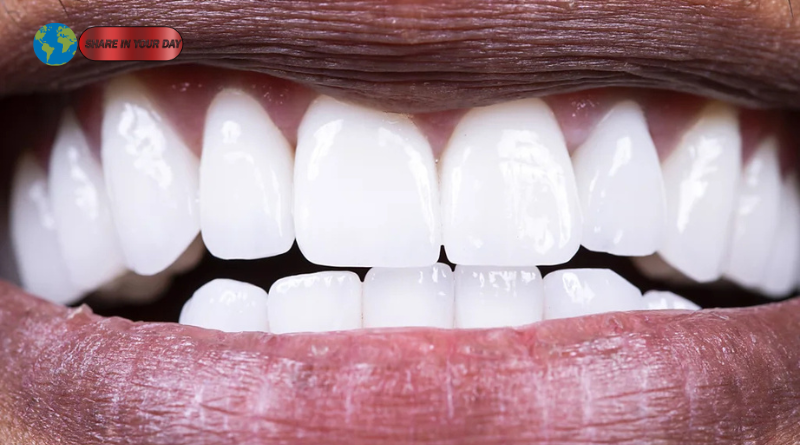
A recent BBC Future report highlights several foods that may help support beneficial microbes, including leafy green vegetables, garlic, tea, berries, cheese and fermented foods. Researchers caution, however, that there is no single miracle food. Instead, the overall pattern of eating appears to matter most.
What Is the Oral Microbiome?
The oral microbiome is the community of microorganisms that live throughout the mouth.
Different microbes occupy different areas. Some live on the surface of teeth, while others are found on the tongue, cheeks, gums and spaces between teeth.
This community is not automatically harmful. In fact, many microorganisms are part of a normal and healthy mouth. Beneficial species can compete with potentially harmful microbes for nutrients and space.
Problems can arise when the balance changes.
One well-known example is Streptococcus mutans. This bacterium can use sugars to produce acids that attack tooth enamel. Frequent exposure to fermentable carbohydrates can therefore create conditions that favor bacteria associated with cavities.
Other microorganisms can play protective roles. Some species of Neisseria, Veillonella, Actinomyces and Streptococcus have been identified as members of the broader oral ecosystem that can interact with potentially harmful organisms.
That is why scientists increasingly describe oral health as an ecological issue rather than simply a matter of removing every bacterium.
Why Your Diet Matters to Oral Bacteria
The foods you eat become part of the environment in which oral microorganisms live.
A diet frequently dominated by refined carbohydrates and added sugars can provide easily available fuel for acid-producing bacteria. Over time, this may contribute to an imbalance in the oral microbial community.
Research reviews have found that diet can influence oral microbiota composition, inflammation and periodontal health. Dietary patterns that emphasize whole plant foods, fiber and a variety of nutrients appear more compatible with a healthier oral environment than diets dominated by highly refined foods.
This does not mean you need to eliminate every carbohydrate or never eat dessert.
The bigger issue is the overall pattern and frequency of exposure.
So, what foods should be part of an oral microbiome diet?
1. Leafy Greens Can Feed Beneficial Bacteria
Leafy green vegetables are among the foods highlighted for their potential benefits to the oral microbiome.
Spinach, kale, beetroot and other nitrate-rich vegetables can provide dietary nitrate. Certain oral bacteria can convert nitrate into nitrite, which participates in pathways involved in nitric oxide production.
Nitric oxide has important functions throughout the body, including effects on blood vessels and blood pressure.
The relationship between dietary nitrate, oral bacteria and cardiovascular health is an active area of research. It is one example of why scientists are interested in the oral microbiome beyond cavities and gum disease.
Adding leafy greens to meals is also an easy way to increase fiber and micronutrient intake.
A practical approach is to include spinach, kale, arugula, broccoli or other vegetables in salads, soups, sandwiches and main meals.
2. Garlic Contains Compounds That Can Fight Microbes
Garlic may not be the first food that comes to mind when thinking about dental health.
Its strong smell can certainly create problems for fresh breath. Yet garlic contains sulfur-containing compounds, including allicin, that have antimicrobial properties.
BBC Future reports that chewing garlic may affect bacteria associated with cavities and gum disease.
That does not mean garlic should be treated as a replacement for brushing, flossing or professional dental care.
Instead, it is another example of how foods contain naturally occurring compounds that can interact with microorganisms.
For most people, adding garlic to vegetables, soups, sauces and other meals is a simple way to increase dietary variety.
3. Tea May Help Control Harmful Oral Bacteria
Tea is another interesting addition to an oral microbiome diet.
Tea contains polyphenols, naturally occurring plant compounds that have attracted attention for their potential effects on oral bacteria.
Research discussed by BBC Future suggests that tea polyphenols may interfere with some bacteria involved in dental plaque formation. They may also affect microorganisms associated with bad breath.
Green tea and other types of tea can therefore be useful beverage choices, particularly when consumed without large amounts of added sugar.
The sugar component matters.
A sweetened tea drink can turn an otherwise potentially beneficial beverage into a frequent source of sugar exposure. For oral health, unsweetened tea is generally the more sensible choice.
4. Berries Offer More Than Natural Sweetness
Fruit sometimes gets an unfair reputation in discussions about dental health because it contains natural sugars.
However, whole fruit is very different from regularly consuming sugary drinks or highly processed sweets.
Berries contain polyphenols and other plant compounds that are being investigated for their interactions with oral bacteria.
Cranberries are particularly interesting. Research cited in the BBC Future report has examined whether cranberry compounds can interfere with plaque formation and bacteria associated with cavities and periodontal disease.
That does not mean cranberry juice is automatically good for teeth.
Many commercial juices contain substantial amounts of sugar and can also be acidic. Whole cranberries or minimally processed fruit may be a better choice when practical.
The broader lesson is important: whole fruits can fit comfortably into a diet designed to support oral health.
5. Cheese Can Increase Saliva
Cheese may be one of the more surprising foods associated with oral health.
Chewing stimulates saliva production. Saliva helps wash away food particles and contributes to the mouth’s natural ability to neutralize acids.
Cheese also contains nutrients such as calcium and phosphorus that are relevant to dental health.
The BBC Future report describes a small study in which people eating Grana Padano cheese experienced changes in the bacterial signatures found in their mouths, including a reduction in S. mutans and an increase in S. sanguinis.
The study was small, so it should not be interpreted as proof that eating cheese prevents cavities.
Still, cheese illustrates an important principle of an oral microbiome diet: foods can influence the mouth through several mechanisms at once.
Chewing, saliva production, nutrient content and microbial interactions can all matter.
6. Fermented Foods May Support Microbial Diversity
Fermented foods have become popular because of their potential effects on the gut microbiome.
They may also have a role in oral health.
Foods such as kefir and certain fermented dairy products contain microorganisms produced during fermentation. Research is examining whether these bacteria can interact with potentially harmful oral microbes.
A review cited by BBC Future found evidence that kefir may inhibit certain oral pathogens and interfere with the development of microbial biofilms.
However, fermented foods should not automatically be considered probiotics for the mouth.
Different products contain different microorganisms, and evidence for specific oral-health benefits remains an evolving field.
The safest approach is to include fermented foods as part of a varied diet rather than relying on them as a treatment.
7. Whole Plant Foods May Be the Biggest Winner
Perhaps the most important finding is also the least dramatic.
There is no single superfood that can transform the oral microbiome overnight.
Instead, evidence increasingly points toward dietary patterns rich in vegetables, whole fruits, legumes, whole grains, fiber and other minimally processed plant foods.
A Mediterranean-style diet is one example.
Research has linked adherence to Mediterranean dietary patterns with aspects of oral health, including periodontal health. Such diets typically emphasize vegetables, fruits, whole grains, legumes, nuts, olive oil and other nutrient-rich foods.
A recent review of the relationship between diet and oral microbiota similarly emphasizes the importance of overall nutrition rather than focusing on one particular ingredient.
This makes the concept of an oral microbiome diet relatively simple.
Eat a wider variety of whole foods.
Foods to Limit for a Healthier Oral Microbiome
Knowing what to eat is only half of the equation.
The other half is reducing the foods and eating patterns that can favor harmful bacteria.
Sugary Foods and Drinks
Sugar is readily used by acid-producing bacteria.
Candy, sweetened beverages, desserts and other foods high in added sugars can contribute to repeated acid exposure.
Sugary drinks can be particularly problematic because they may be consumed slowly over an extended period.
Reducing both the amount and frequency of added-sugar exposure can therefore be helpful.
Refined Carbohydrates
White bread, crackers, biscuits, pretzels and other refined starches can be rapidly broken down into sugars in the mouth.
The BBC Future report specifically highlights these foods as examples of snacks worth limiting when trying to support the oral microbiome.
That does not mean every serving needs to disappear from your diet.
Instead, replacing some refined carbohydrates with whole grains, vegetables, legumes and other minimally processed foods can improve the overall dietary pattern.
Highly Processed Foods
A diet dominated by highly processed foods may contain more refined carbohydrates, added sugars and other components that do not provide the same nutritional variety as whole foods.
Research into the oral microbiome is still developing, so scientists cannot yet assign a precise microbial effect to every food additive or processing method.
Nevertheless, emphasizing minimally processed foods is consistent with broader nutritional recommendations and current research on diet and oral health.
Brushing Still Matters
A healthy oral microbiome diet does not replace basic dental care.
Food choices can influence the microbial environment, but plaque still needs to be physically removed.
Regular brushing and cleaning between the teeth remain essential. The tongue can also harbor microorganisms, which is why tongue cleaning may form part of a comprehensive oral-hygiene routine.
The BBC Future report notes that brushing and flossing remain important even as scientists investigate ways to influence the oral microbiome through diet.
Mouthwash is a more complicated issue.
Some antimicrobial products can reduce microorganisms in the mouth, but researchers are still studying what long-term effects different mouthwashes may have on the balance of the oral microbiome. Chlorhexidine-containing products, for example, can substantially alter oral microbial communities, although they have established clinical uses for certain dental conditions.
For that reason, prescription or therapeutic mouthwash should be used according to professional dental advice.
The Bigger Picture: Think Ecosystem, Not Sterilization
One of the most interesting ideas emerging from oral microbiome research is that a healthy mouth does not necessarily mean a bacteria-free mouth.
The goal is balance.
Your mouth naturally contains a huge variety of microorganisms. Some are potentially harmful under certain conditions, while others may compete with them and help maintain ecological stability.
Diet is one of many factors that can influence this balance. Genetics, oral hygiene, medications, smoking, age, health conditions and other environmental factors can also play roles.
That is why the best oral microbiome diet is not a restrictive list of supposedly perfect foods.
It is a sustainable eating pattern.
Choose more vegetables. Eat a variety of whole fruits. Include legumes and whole grains. Consider fermented foods and nutrient-rich dairy products. Drink water regularly. Enjoy unsweetened tea. And most importantly, reduce frequent exposure to added sugars and refined snacks.
A Simple Oral Microbiome Diet for Everyday Life
Putting the research into practice does not have to be complicated.
A breakfast could include plain yogurt, berries and nuts.
Lunch might feature a large salad containing leafy greens, beans, vegetables and a source of healthy fat.
For a snack, cheese or whole fruit can be a better everyday option than cookies or candy.
Dinner could include vegetables, whole grains and a source of lean protein.
An unsweetened cup of tea can replace a sugary drink.
None of these choices is a magic solution.
Together, however, they create a dietary pattern that is more supportive of oral and overall health.
What the Research Really Tells Us
Scientists are still learning how individual foods affect the hundreds of microorganisms living in the mouth.
Some findings are promising, but many studies are small, observational or focused on specific compounds rather than long-term dietary patterns.
The evidence does not justify claims that one food can cure gum disease, eliminate cavities or dramatically reshape someone’s microbiome.
Instead, the emerging message is more practical.
The foods that support a healthy oral microbiome are largely the same foods associated with a balanced overall diet.
Vegetables, whole fruits, fiber-rich foods, fermented products, nuts, healthy fats and minimally processed meals can all form part of that pattern. Meanwhile, frequent sugar exposure and diets heavily dominated by refined carbohydrates can create conditions that favor acid-producing bacteria.
That is a much more useful takeaway than searching for a single superfood.
Bottom Line
The science behind the oral microbiome diet is still evolving, but researchers increasingly recognize that what we eat can influence the microbial ecosystem inside our mouths.
Leafy greens provide nitrate and valuable nutrients. Garlic contains antimicrobial compounds. Tea and berries contain polyphenols. Cheese stimulates saliva and provides minerals. Fermented foods are being studied for their interactions with oral microorganisms.
Yet the most important strategy is not one particular ingredient.
It is the overall diet.
A varied eating pattern built around whole plant foods, fiber and minimally processed ingredients, combined with good brushing and interdental cleaning, offers a sensible way to support oral health.
In other words, protecting the microbes in your mouth may start with something surprisingly simple: paying more attention to what is on your plate.