Pennsylvania Measles Cases Top 500 as Outbreak Continues
Pennsylvania measles cases have surpassed 500 this year, marking a major escalation in an outbreak that has continued to spread across the state. Updated figures from the Pennsylvania Department of Health show 540 reported cases across 36 counties, while Lancaster County accounts for a significant share of the infections.
The surge comes as health officials continue to encourage residents to check their vaccination status and receive the measles, mumps and rubella vaccine if they are not adequately protected.
The development also comes amid a broader resurgence of measles across the United States. The Centers for Disease Control and Prevention reported 2,903 confirmed measles cases nationally as of Aug. 27, 2026. That total already exceeds the 2,289 cases reported for all of 2025.
Pennsylvania Measles Cases Reach 540 Across 36 Counties
The latest Pennsylvania figures show how quickly the outbreak has expanded.
State health officials reported 540 measles cases across 36 counties as of the latest update. About 45% of those cases were reported in Lancaster County, making the southeastern Pennsylvania county a major center of the outbreak. The state also reported 91 hospitalizations.
The numbers represent a substantial increase from earlier in the year, when Pennsylvania had already emerged as one of the states with the largest measles outbreaks in the country.
The continuing rise is particularly significant because measles had been largely absent from Pennsylvania for decades. The Pennsylvania Department of Health says the disease can cause serious complications, including pneumonia and encephalitis, and can be especially dangerous for children younger than 5.
The state has responded by expanding public-health outreach, monitoring potential exposures and promoting vaccination in communities where protection levels are lower.
Pennsylvania Measles Outbreak Is Part of a Larger U.S. Surge
The Pennsylvania measles outbreak is not happening in isolation.
Across the country, measles infections have risen sharply. CDC data show that 94% of confirmed U.S. measles cases reported in 2026 were associated with outbreaks. The agency counted 37 new outbreaks during the year through Aug. 27.
That is a dramatic change from the period after measles was officially eliminated in the United States in 2000.
Elimination did not mean the virus disappeared from the world. Instead, it meant that sustained domestic transmission had been stopped. Imported infections could still occur when travelers contracted measles abroad and returned to the United States.
When those imported cases reach communities with lower vaccination coverage, however, the virus can spread rapidly.
The CDC describes measles as extremely contagious. A person can become infected simply by being in an area where someone with measles has been, because the virus can remain in the air for up to two hours after an infected person leaves.
Why Pennsylvania Measles Cases Are Rising
Vaccination coverage is one of the most important factors behind the resurgence.
The CDC says more than 95% of people in a community generally need to be vaccinated to maintain the level of community immunity that helps prevent measles from spreading. Yet national MMR coverage among kindergarten children fell from 95.2% during the 2019-2020 school year to 92.4% during the 2025-2026 school year.
That decline may appear relatively small on a national scale, but measles can exploit relatively small pockets of under-vaccination.
In Pennsylvania, recent data indicate that MMR vaccination coverage among kindergarteners also declined. State and local officials have warned that communities with vaccination levels below the 95% benchmark are more vulnerable when the virus is introduced.
The issue becomes especially important in areas where people live, work or attend school in close proximity.
Once measles begins circulating in an under-immunized community, infections can multiply quickly because of the virus’s extraordinary transmissibility.
Lancaster County Remains a Major Focus
Lancaster County has become the most prominent hotspot in Pennsylvania’s current measles outbreak.
According to the latest state figures, approximately 45% of Pennsylvania’s reported cases have occurred there. The county’s outbreak has attracted national attention because it includes communities where vaccination rates have historically been lower than the statewide average.
Earlier reports from health organizations showed that Lancaster County had already recorded hundreds of infections as the outbreak expanded.
The Pennsylvania Department of Health has responded with vaccination campaigns and expanded public-health efforts designed to reach residents who may not have received recommended MMR doses.
The state’s official measles resources say the MMR vaccine is widely available through pediatricians, primary-care providers, pharmacies, federally qualified health centers, rural health centers and local health departments.
For eligible children who are uninsured or underinsured, Pennsylvania also provides access to vaccination through its state health centers and the Vaccines for Children program.
Pennsylvania Measles Cases Raise Concerns About Hospitalizations
The number of infections is only part of the story.
Pennsylvania has reported 91 hospitalizations associated with the outbreak, according to the latest figures.
Measles is often remembered as a childhood rash illness, but medical experts emphasize that it can become much more serious.
According to the Pennsylvania Department of Health, complications can include pneumonia and encephalitis, an inflammation of the brain. Young children are particularly vulnerable to severe complications.
The CDC also notes that measles was historically associated with significant illness in the United States. Before widespread vaccination, tens of thousands of Americans were hospitalized every year and hundreds died annually from the disease.
The modern vaccine program dramatically changed that picture.
The current outbreak is therefore being watched closely by public-health officials because it represents a return of a disease that had become relatively unfamiliar to many Americans.
Pennsylvania Reports Two Measles-Associated Deaths
The outbreak has also been accompanied by a dispute over two deaths reported by Pennsylvania health officials.
The Pennsylvania Department of Health announced in August that two people in Lancaster County had died in connection with measles. The department described the deaths as the state’s first measles-associated fatalities in 35 years.
However, the federal government has not included those deaths in the national CDC measles death tally while additional information is being reviewed.
The CDC says the current available information does not establish whether measles caused or contributed to the deaths or whether the individuals died from other causes while infected with measles.
The disagreement has become a political and public-health controversy, but it does not change the broader concern surrounding Pennsylvania’s rising case count.
The state’s health department continues to report the deaths as measles-associated while federal officials review the circumstances.
What Are the Symptoms of Measles?
Knowing the symptoms can help people recognize a potential infection and seek medical advice promptly.
The Pennsylvania Department of Health says measles symptoms generally appear seven to 14 days after exposure, although they can take as long as 21 days to develop.
Common symptoms include:
- High fever
- Cough
- Runny nose
- Red or watery eyes
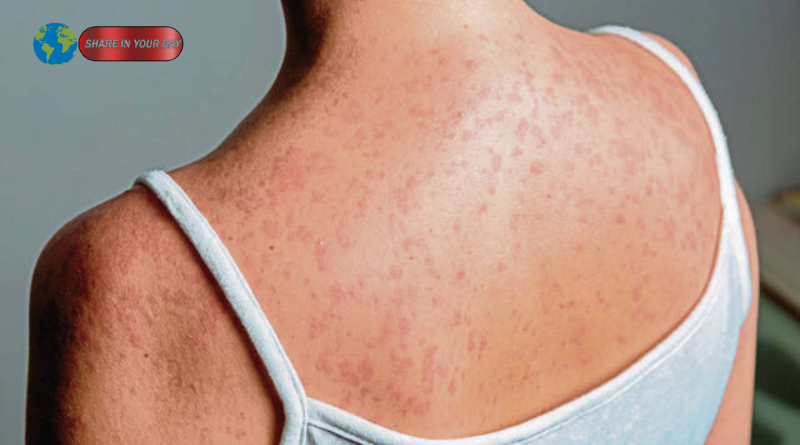
- A characteristic measles rash
The fever can become particularly high, sometimes exceeding 104 degrees Fahrenheit, according to the state health department.
Because measles is highly contagious, people who believe they may have been exposed should contact a health-care provider before arriving at a medical facility. Calling ahead allows health-care workers to take precautions to reduce the possibility of exposing other patients and staff.
The MMR Vaccine Remains the Best Protection
Health officials continue to emphasize vaccination as the most effective way to prevent measles.
The CDC says two doses of MMR vaccine are about 97% effective at preventing measles, while one dose is about 93% effective.
The Pennsylvania Department of Health similarly recommends MMR vaccination as the best protection against the disease.
For most people, vaccination provides long-lasting protection. Breakthrough infections can occur, but they are uncommon, particularly compared with the risk faced by people who are not vaccinated.
Residents who are uncertain about their vaccination history should speak with a health-care provider or local health department.
Pennsylvania has also expanded access to vaccination as officials attempt to slow the outbreak.
Why the 95% Vaccination Threshold Matters
The 95% figure is important because measles spreads so efficiently.
When nearly everyone is immune, an infected person is less likely to encounter someone who can become infected. That creates a protective barrier around people who cannot be vaccinated or who may not develop full protection.
When vaccination coverage falls below that level, however, susceptible people can cluster together.
The CDC warns that pockets of unvaccinated residents can exist even in states where overall vaccination rates remain relatively high. Those pockets can become vulnerable to outbreaks after an imported case introduces the virus.
This helps explain why a relatively small number of imported infections can sometimes lead to hundreds of additional cases.
What Pennsylvania Residents Should Do
For people who are fully vaccinated, the risk of measles remains considerably lower.
Those who are not vaccinated or are unsure of their vaccination history should contact a medical provider or local health department to determine whether they need vaccination.
The Pennsylvania Department of Health says MMR vaccines are available through numerous health-care settings across the state. Many private insurance plans cover the vaccine, while eligible children can receive it at no cost through certain public programs.
People should also pay attention to public-health notices concerning possible exposures.
Because measles can spread before the rash appears, identifying exposed individuals and limiting further transmission are important parts of outbreak control.
Pennsylvania’s Outbreak Remains a Public Health Warning
The latest Pennsylvania measles cases numbers underscore how quickly a vaccine-preventable disease can return when immunity levels fall.
With 540 cases reported across 36 counties and 91 hospitalizations, Pennsylvania is now dealing with one of the most significant measles outbreaks in the country.
The outbreak is also unfolding against a national backdrop in which the United States has recorded more confirmed measles cases in 2026 than during the entirety of 2025.
For health officials, the immediate priority is straightforward: identify infections, limit exposures and increase vaccination coverage.
The Pennsylvania Department of Health continues to provide updated information through its measles resources and dashboard, while the CDC maintains national case and outbreak data.
As the outbreak continues, vaccination remains the strongest tool available to prevent additional infections and protect communities from a disease that had once been considered largely controlled in the United States.