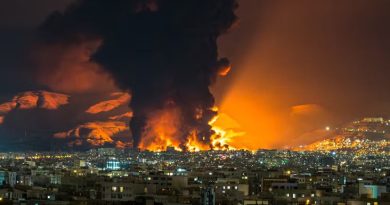
Iran Oil Tankers Hit in 3 Major U.S. Strikes Near Kharg Island
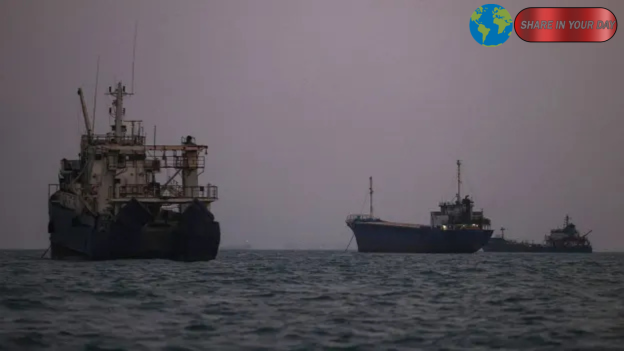
The United States has struck three Iran oil tankers, including one near the strategically vital Kharg Island, in a significant escalation of tensions between Washington and Tehran. U.S. Central Command said the military action came after Iranian forces allegedly launched attacks against American Navy warships operating in regional waters.
The strikes targeted vessels in three separate locations, including near Kharg Island, near Jask and in the Gulf of Oman. U.S. officials said two of the tankers were permanently disabled while a third vessel, which was reportedly not carrying cargo, was destroyed.
The latest confrontation adds a dangerous new dimension to the conflict between the United States and Iran. Rather than focusing solely on military installations, the incident has placed Iran oil tankers and the country’s energy infrastructure at the center of the escalating confrontation.
The development is especially significant because one of the reported strikes occurred near Kharg Island, a critical hub for Iran’s oil industry and one of the country’s most important export locations.
U.S. Says Iranian Attacks Prompted the Response
According to U.S. Central Command, the military strikes followed what Washington described as Iranian attacks against two American Navy vessels.
The U.S. military said an American aircraft carrier and a destroyer were targeted while operating in the region. American officials said the vessels successfully evaded the attacks and that no U.S. personnel were injured.
Central Command said the subsequent action against the Iran oil tankers was intended to impose a significant economic cost on Tehran and its military establishment.
The U.S. described the targeted vessels as part of a wider network connected to Iran’s Islamic Revolutionary Guard Corps, or IRGC. Washington has repeatedly accused the IRGC of using complex commercial and maritime networks to support its military activities and regional allies.
The confrontation demonstrates how rapidly military tensions can spread beyond direct attacks on armed forces. Energy assets and commercial vessels now appear increasingly vulnerable as both sides seek to increase pressure on the other.
Meanwhile, the maritime conflict is raising fresh concerns about the safety of shipping routes around Iran and the Strait of Hormuz.
Three Iran Oil Tankers Reportedly Targeted
U.S. Central Command said its forces struck three separate Iranian crude oil carriers during the operation.
One vessel was targeted off the coast of Kharg Island, while another was struck near Jask on Iran’s southeastern coastline. A third tanker was reportedly destroyed in the Gulf of Oman.
The locations highlight the broad geographical scope of the latest military operation.
Kharg Island is situated in the Persian Gulf and plays a central role in Iran’s oil-export system. Jask, meanwhile, is located closer to the entrance of the Strait of Hormuz, while the Gulf of Oman connects the region to major international shipping routes.
Together, these locations underline the strategic importance of the waters surrounding Iran.
The U.S. military said two of the vessels were permanently disabled and that the third, which was reportedly unladen, was destroyed. The full extent of the damage and the long-term impact on Iranian maritime operations were not immediately clear.
Iranian authorities and state-linked media also reported that a tanker had been struck near Kharg Island.
However, details from both sides remain subject to the rapidly changing nature of the conflict.
Why Kharg Island Is So Important
The reported strike near Kharg Island has attracted particular international attention because of the island’s importance to the Iranian economy.
Kharg Island is widely considered the centerpiece of Iran’s crude oil export infrastructure. A significant share of the country’s oil shipments traditionally moves through facilities located there.
That means any attack involving Iran oil tankers or infrastructure in the surrounding area could have consequences far beyond the immediate military confrontation.
Iran’s economy has faced years of pressure from international sanctions, restrictions on oil exports and broader geopolitical instability. Oil remains one of the country’s most important sources of revenue.
Therefore, threats to major export facilities or the ships involved in transporting Iranian crude could place additional pressure on Tehran.
The strategic importance of Kharg Island also makes it a highly sensitive location in any confrontation between the United States and Iran.
A disruption to shipping in the area could potentially affect energy markets and raise concerns among countries that depend on oil moving through the Persian Gulf.
Strait of Hormuz Remains a Global Flashpoint
The latest attacks are also drawing renewed attention to the Strait of Hormuz, one of the world’s most strategically important waterways.
The narrow passage connects the Persian Gulf with the Gulf of Oman and serves as a major route for international energy shipments.
Any serious military confrontation involving Iran oil tankers, commercial vessels or naval forces in the region can quickly create concerns about the security of global shipping.
Tensions in and around the Strait of Hormuz have repeatedly affected energy markets over the years. Even the possibility of disrupted shipping can influence oil prices because traders closely monitor the stability of the route.
The latest exchange of attacks therefore carries both military and economic implications.
For Washington, maintaining the security of American military personnel and international shipping remains a major priority.
For Tehran, the waterways surrounding Iran represent an important source of strategic leverage during periods of heightened international pressure.
The result is a dangerous environment in which military incidents can quickly trigger broader economic consequences.
U.S. Focuses on Iran’s Oil Network
The U.S. military said the targeted vessels were connected to a network that Washington believes helps finance the IRGC and its regional operations.
American officials have increasingly focused on the economic structures that support Iranian military and security organizations.
Targeting Iran oil tankers represents a potentially significant escalation because such vessels are directly connected to the country’s ability to move crude oil through international waters.
Washington’s argument is that economic and logistical networks supporting military organizations can be legitimate targets within the broader conflict.
Iran, however, is likely to view attacks on its commercial and energy-related assets as a major escalation.
The distinction between military and commercial infrastructure can also become increasingly complicated during wartime.
Tankers, shipping companies, ports and maritime networks can all become strategically important when governments depend on them for revenue, transportation or military logistics.
That creates additional risks for civilian crews and commercial shipping operators working in the region.
Iran Faces Growing Economic Pressure
The attacks on the three Iran oil tankers come as Tehran faces growing economic and geopolitical pressure.
Iran has spent years navigating international sanctions and restrictions that have limited parts of its access to global markets.
Oil exports remain especially important because energy revenue supports the country’s broader economy.
Any sustained disruption involving Iranian tankers or export routes could therefore increase the financial pressure on Tehran.
The U.S. has also pursued broader measures designed to limit Iran’s ability to generate revenue through oil sales and international trade.
At the same time, Iran has sought alternative shipping arrangements and commercial networks to continue exporting its crude.
The reported U.S. strikes could now raise new questions about the security of those operations.
Shipping companies, insurers and energy traders may all closely monitor developments in the coming days.
If the conflict expands, the risks facing commercial vessels in the region could increase further.
Risk of a Wider U.S.-Iran Conflict
The latest confrontation comes amid a broader period of instability between the United States and Iran.
Military exchanges have intensified concerns that the conflict could move beyond isolated strikes and develop into a wider regional confrontation.
The targeting of Iran oil tankers demonstrates that economic assets and maritime infrastructure are becoming increasingly important parts of the conflict.
Iran has previously shown that it can exert pressure in and around strategically important waterways.
The United States, meanwhile, maintains a significant military presence in the wider Middle East and has repeatedly stated that it will defend its personnel and interests.
This combination creates a high-risk environment.
A future attack on a military vessel, commercial tanker or energy facility could prompt another round of retaliation.
The danger is that each side may view its actions as defensive while the other interprets them as escalation.
That cycle can make diplomatic efforts increasingly difficult.
What Happens Next?
The immediate question is whether the strikes against the three Iran oil tankers will lead to further military action.
Iran could respond through diplomatic channels, military operations or increased pressure on shipping in strategically important waters.
The United States has signaled that it remains prepared to respond to attacks against American forces.
However, both countries also face significant risks from continued escalation.
A broader conflict could threaten regional stability, disrupt global energy supplies and place additional military personnel and civilians in danger.
International governments are likely to watch developments closely, particularly countries with major economic interests in the Persian Gulf.
Oil markets will also remain sensitive to any indication that shipping through the region could face additional disruption.
For now, the reported U.S. strikes near Kharg Island, Jask and the Gulf of Oman represent one of the latest and most significant maritime confrontations in the ongoing tensions between Washington and Tehran.
Iran Oil Tankers Strike Raises Stakes Across the Region
The U.S. military action against three Iran oil tankers marks an important escalation in an already volatile conflict.
The strikes were not limited to a single location. Instead, they involved vessels near one of Iran’s most important oil hubs, another location near Jask and a third in the Gulf of Oman.
That geographical spread highlights the strategic scale of the confrontation.
Kharg Island’s importance to Iranian oil exports makes the reported strike near the island particularly significant. Any future disruption involving the area could have consequences for Iran’s economy and potentially affect wider energy markets.
At the same time, the involvement of U.S. Navy vessels and Iranian forces increases the possibility of further military exchanges.
The situation remains fluid, and many questions about the full consequences of the attacks have yet to be answered.
What is clear, however, is that Iran oil tankers have become a new focal point in the struggle between Washington and Tehran.
As both sides assess their next moves, the world’s attention will remain fixed on the Persian Gulf, Kharg Island and the waterways surrounding the Strait of Hormuz.
The coming days could determine whether this latest confrontation remains a limited maritime incident or becomes the beginning of another, more dangerous phase in the conflict.
External source suggestion: Link to the official U.S. Central Command website when publishing for additional background and verification.
Internal link suggestions: Add links to your website’s existing coverage of the U.S.-Iran conflict, oil prices, Middle East security and the Strait of Hormuz.