Iran Oil Tankers: 3 Struck in Major US Escalation
The Iran oil tankers crisis has entered a dangerous new phase after U.S. forces struck three Iranian oil tankers following what Washington described as ballistic missile attacks against American warships in the region. The strikes mark a significant escalation in the conflict and raise fresh concerns about the security of commercial shipping and global energy supplies.
The U.S. military said an American aircraft carrier and a destroyer were targeted by multiple Iranian attacks while operating in the region. According to the U.S. account, no American personnel were injured.
In response, U.S. forces attacked three Iranian oil carriers. Two were described as permanently disabled, while a third vessel, which was unladen, was destroyed. Washington said the ships were connected to a shadow network that helps finance Iran’s Islamic Revolutionary Guard Corps and allied armed groups.
Iran, however, strongly disputed the U.S. narrative and warned that continued attacks on Iranian shipping could trigger a more severe response.
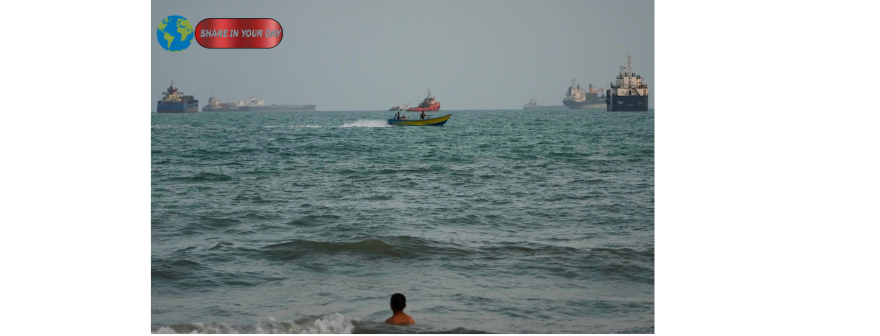
The confrontation is unfolding around the Strait of Hormuz, one of the world’s most strategically important waterways. The narrow passage connects the Persian Gulf with the Gulf of Oman and is essential to international energy markets.
Iran Oil Tankers Become the Latest Flashpoint
The attacks on the Iran oil tankers represent a major development because the vessels are directly connected to one of the most important economic lifelines for Iran.
The U.S. military said one tanker was struck near Kharg Island, another near Jask and a third in the Gulf of Oman. The American statement said the unladen tanker was hit and that its crew was instructed to abandon the ship.
Kharg Island is especially significant to Iran’s oil industry. It hosts a major export terminal through which a large share of the country’s crude oil leaves the country.
Iranian state television also reported attacks on oil tankers and claimed that Iranian forces targeted American vessels in retaliation. Those Iranian claims could not immediately be independently confirmed, according to the Associated Press.
The competing claims highlight the rapidly changing nature of the conflict.
With military forces operating close to commercial shipping routes, even limited attacks can have consequences far beyond the immediate battlefield.
Why the Strait of Hormuz Matters
The Strait of Hormuz is central to the latest escalation.
The waterway is one of the world’s most important routes for energy transportation. Oil tankers traveling through the Persian Gulf must pass through the strait to reach international markets.
That makes the region particularly sensitive to military confrontation.
A sustained disruption could affect crude oil supplies, shipping insurance, transportation costs and fuel prices. It could also create additional pressure on economies that rely heavily on imported energy.
The latest attacks therefore extend beyond the direct confrontation between Washington and Tehran.
Investors, energy companies and governments around the world are watching the situation closely because any prolonged interruption to shipping could create another shock for global markets.
Recent AP reporting has already highlighted how renewed fighting around the Strait of Hormuz has affected oil prices and financial markets.
US Says Iranian Warships Were Targeted
The Pentagon’s account of the incident centers on attacks against U.S. naval forces.
The U.S. military said an aircraft carrier and a destroyer successfully avoided multiple Iranian attacks involving ballistic missiles. No U.S. personnel were reported injured.
Washington described the attacks as unprovoked and argued that the Iranian oil vessels were legitimate targets because of their alleged connection to a financial network supporting Iran’s Revolutionary Guard and regional proxies.
The American warning was also unusually direct.
U.S. officials indicated that Washington could continue attacking Iran’s exposed oil fleet if necessary.
That threat could significantly change the economic dimension of the conflict.
Instead of focusing exclusively on military installations, the United States would be applying additional pressure to Iran’s ability to export oil and generate revenue.
Iran Warns of a Stronger Response
Iran responded by accusing Washington of aggression and economic warfare.
Iran’s Foreign Ministry described the tanker attacks as a war crime and warned that responsibility for the consequences would fall on the United States and its allies.
Iranian military officials also warned that attacks on American vessels could become more severe if Washington continued interfering with Iranian shipping.
Iran has historically viewed control over its shipping routes as a crucial strategic issue.
The latest confrontation could therefore create a cycle of retaliation.
A U.S. attack on an Iranian tanker could prompt an Iranian attack on another commercial vessel or American military asset. Washington could then respond with additional strikes.
Such a cycle would make the situation increasingly difficult to contain.
Kharg Island Adds Another Layer of Risk
The location of one of the reported tanker attacks is particularly important.
Kharg Island is a major Iranian oil-export center and has already been affected by the broader conflict.
Iran relies heavily on its oil infrastructure to generate foreign currency. Any sustained damage to export terminals, tanker fleets or loading facilities could therefore create serious economic pressure.
The latest incident also demonstrates how military operations can directly affect energy infrastructure.
If attacks expand around oil terminals and shipping lanes, the consequences could become much larger than the destruction of individual vessels.
A disruption lasting days could affect markets.
A disruption lasting weeks could have a substantially larger economic impact.
The Conflict Has Been Ongoing for Months
The tanker strikes did not occur in isolation.
The current U.S.-Iran conflict has continued for months following U.S. and Israeli attacks that began on February 28, according to AP reporting. The fighting has gone through periods of greater and lesser intensity, while diplomatic efforts have repeatedly struggled to produce a lasting settlement.
The latest escalation follows a period in which the conflict had appeared to be relatively quieter.
That makes the new attacks particularly significant.
Instead of moving steadily toward de-escalation, both sides are once again demonstrating a willingness to strike strategic targets.
U.S. President Donald Trump had recently sought to downplay the scale of the conflict, but the attacks at sea demonstrate that the confrontation remains capable of producing serious military incidents.
What the Tanker Attacks Mean for Oil Markets
The biggest international concern may be the potential impact on oil.
Markets react quickly to threats against major energy routes because traders must account for possible future shortages.
Even if the actual amount of oil immediately removed from the global market is limited, the possibility of a wider disruption can increase prices.
Shipping companies may also face higher insurance premiums.
Some vessels could delay voyages.
Others could choose alternative routes, increasing transportation times and costs.
Those additional expenses can eventually reach consumers through higher fuel, transportation and product prices.
AP has reported that the conflict has already contributed to higher oil prices and created concerns about inflation.
The situation is therefore not only a geopolitical story.
It is also an economic story.
Could More Iranian Tankers Be Targeted?
That remains one of the most important questions.
The United States has warned that Iran’s oil fleet is exposed and could face additional attacks.
If Washington follows through on that warning, Iran’s ability to export crude could become a central target of the conflict.
However, attacking additional tankers would also increase the risk of a wider confrontation.
Commercial vessels often operate in congested maritime environments. A strike that causes a large oil spill, kills crew members or damages nearby ships could create another international crisis.
It could also push neutral countries to demand stronger guarantees for maritime security.
Iran’s Retaliation Could Affect Commercial Shipping
Iran’s response may be equally important.
Tehran has already claimed that it targeted oil tankers and American vessels after the U.S. attacks. Although those claims were not immediately independently verified, they demonstrate the direction in which the conflict could move.
If Iranian forces begin systematically targeting commercial shipping associated with countries supporting Washington, the Strait of Hormuz could become significantly more dangerous.
That would place pressure on international shipping companies.
Governments could also be forced to increase naval patrols or provide escorts for commercial vessels.
Such measures would increase military activity in an already crowded area.
Diplomacy Faces a Difficult Test
The escalation also comes as diplomatic options appear increasingly limited.
Both Washington and Tehran have repeatedly signaled that they are prepared to use military and economic pressure to pursue their objectives.
The tanker attacks make negotiations even more difficult.
Iran is unlikely to view attacks on its oil fleet as a minor incident. At the same time, the United States has framed its military actions as a response to threats against American forces and as part of a broader campaign to pressure Iran.
The challenge for diplomats is preventing retaliation from turning into a much larger conflict.
Egyptian officials have recently called for renewed U.S.-Iran negotiations and regional de-escalation, particularly around protecting shipping through the Strait of Hormuz.
What Happens Next?
The immediate question is whether the tanker attacks remain an isolated episode or become part of a sustained campaign.
If both sides limit their responses, the situation could eventually return to a lower level of confrontation.
If the United States attacks more Iranian oil infrastructure or shipping, however, Iran could retaliate against American military assets or commercial vessels.
That would increase the possibility of a broader regional conflict.
Energy markets will also be watching closely.
Any indication that shipping through the Strait of Hormuz is being seriously disrupted could trigger another round of oil-price volatility.
Final Takeaway
The latest Iran oil tankers attacks represent a dangerous escalation in the U.S.-Iran conflict.
Three Iranian oil carriers were struck after Washington said American naval forces had come under ballistic missile attack. The United States says the vessels were connected to a shadow financing network supporting Iran’s Revolutionary Guard, while Tehran has condemned the strikes and warned of a stronger response.
The most important issue now is whether the confrontation spreads beyond the three vessels.
The Strait of Hormuz remains the central concern. Any prolonged disruption to shipping could affect oil prices, transportation costs, inflation and global energy security.
For Iran, the country’s oil-export system is a critical economic asset. For the United States, preventing attacks against its military and commercial interests remains a major strategic objective.
That combination makes further escalation possible.
For global markets, the message is clear: the conflict is no longer confined to land-based military targets. The world’s energy shipping network is increasingly becoming part of the confrontation.