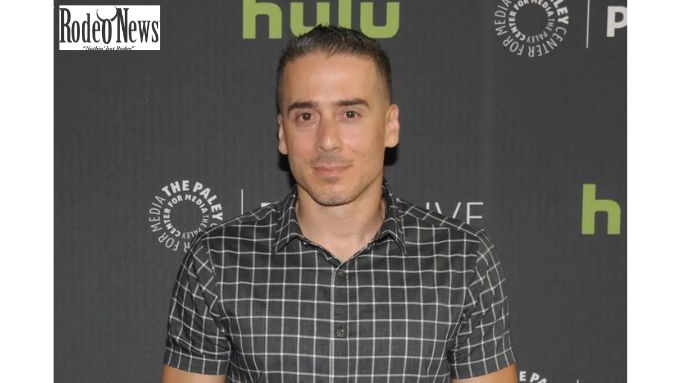
In a candid interview, Kirk Acevedo explained that despite years of consistent work, he faced financial instability severe enough to sell his house.
He described how he went from working regularly to struggling for opportunities, saying the industry has changed dramatically in recent years.
This situation underscores a key reality: even experienced, recognizable actors are no longer guaranteed financial security.
1. The Disappearance of the “Middle Class Actor”
At the heart of the middle class actors crisis is a structural shift in how actors are paid.
Traditionally, Hollywood supported a wide range of actors—not just A-list stars but also steady working professionals who earned a reliable living through TV roles, guest appearances, and recurring characters.
However, that middle tier is shrinking fast.
Acevedo bluntly stated that “the middle class actor is disappearing,” pointing to fewer opportunities and declining pay.
Today, the gap between top-tier celebrities and working actors has widened dramatically.
2. Streaming Has Changed Everything
One of the biggest drivers of the middle class actors crisis is the rise of streaming platforms.
While streaming has expanded content production, it has also:
- Reduced residual payments
- Shortened episode orders
- Lowered long-term earnings potential
In the past, actors could rely on syndication and reruns for steady income. Now, streaming deals often offer limited or unclear residual structures.
As a result, even actors in successful shows may not earn enough to sustain long-term financial stability.
3. Fewer Episodes, Less Stability
Another major issue is the decline in episode counts.
Network television once produced seasons with 20–24 episodes, providing actors with months of consistent work. Today, many streaming series run only 6–10 episodes per season.
This shift has significantly reduced:
- Annual income opportunities
- Job stability
- Time spent working on a single project
For actors like Kirk Acevedo, this means more time spent searching for roles and less financial predictability.
4. Big Names Are Taking More Roles
The middle class actors crisis is also being fueled by increased competition from top-tier talent.
Major film stars are now moving into television and streaming projects, often taking roles that previously would have gone to mid-level actors.
This trend creates a ripple effect:
- Fewer roles available for working actors
- Increased competition for smaller parts
- Downward pressure on salaries
As studios prioritize recognizable names to attract viewers, lesser-known actors are being squeezed out.
5. Rising Costs of Living and Career Expenses
Even as opportunities shrink, the cost of maintaining an acting career continues to rise.
Actors must cover expenses such as:
- Agents and managers
- Publicists
- Audition costs and travel
- Living expenses in cities like Los Angeles and New York
For many, these costs outweigh inconsistent income—making financial survival increasingly difficult.
Acevedo’s decision to sell his home illustrates just how severe the situation has become.
A Wider Industry Impact
The middle class actors crisis is not limited to one individual.
Many industry professionals—actors, writers, and crew members—have voiced similar concerns. The issue has been exacerbated by recent strikes and ongoing restructuring within the entertainment business.
Online discussions and industry insiders suggest that the problem is widespread, affecting even those with established careers.
Hollywood’s Changing Economic Model
The traditional Hollywood model relied on a steady pipeline of television production, syndication revenue, and long-term contracts.
Today’s model is very different:
- Shorter contracts
- Project-based employment
- Globalized content production
- Increased reliance on algorithms and data
This transformation has created a more volatile environment, where consistent work is no longer guaranteed.
Why This Matters Beyond Hollywood
The middle class actors crisis reflects a broader economic trend affecting many industries.
Much like other sectors, entertainment is experiencing:
- Income inequality
- Job instability
- Consolidation of wealth at the top
Acevedo’s story resonates because it mirrors challenges faced by workers in many fields—not just acting.
Can the Industry Recover?
There are ongoing discussions about how to address the crisis.
Potential solutions include:
- Improved residual structures for streaming
- Fairer compensation models
- Stronger union protections
- Greater investment in mid-budget productions
However, meaningful change will require cooperation between studios, unions, and streaming platforms.
Audience Perception vs Reality
One of the biggest misconceptions is that all actors are wealthy.
In reality, most actors fall into the “working class” category, earning inconsistent income and relying on multiple jobs to make ends meet.
The story of Kirk Acevedo challenges this perception, offering a rare glimpse into the financial realities behind the scenes.
A Turning Point for Hollywood
The middle class actors crisis may represent a turning point for the entertainment industry.
If current trends continue, the industry could lose a generation of talented performers who cannot afford to sustain their careers.
This would not only impact actors but also the diversity and quality of storytelling.
Final Verdict: A Crisis That Can’t Be Ignored
The middle class actors crisis is no longer a hidden issue—it is a growing reality.
Key takeaways:
- Kirk Acevedo was forced to sell his home
- Middle-tier acting jobs are disappearing
- Streaming has reduced long-term earnings
- Competition is increasing from top-tier stars
- Financial instability is becoming the norm
Hollywood is undergoing a major transformation, and its impact is being felt most by those in the middle.
As the industry evolves, the question remains: Can it sustain the very talent it depends on?