Alzheimer’s Blood Test Breakthrough: Detecting Risk Before Symptoms
A new Alzheimer’s blood test is showing groundbreaking potential to detect the disease years—even decades—before symptoms appear. Scientists say this advancement could completely transform how Alzheimer’s is diagnosed, treated, and even prevented.
Traditionally, Alzheimer’s disease is diagnosed only after noticeable memory loss or cognitive decline begins. However, recent research suggests that subtle biological changes in the blood may reveal early warning signs long before the brain shows visible damage.
This shift toward early detection is being described as one of the most promising developments in modern neuroscience.
A New Era in Alzheimer’s Detection
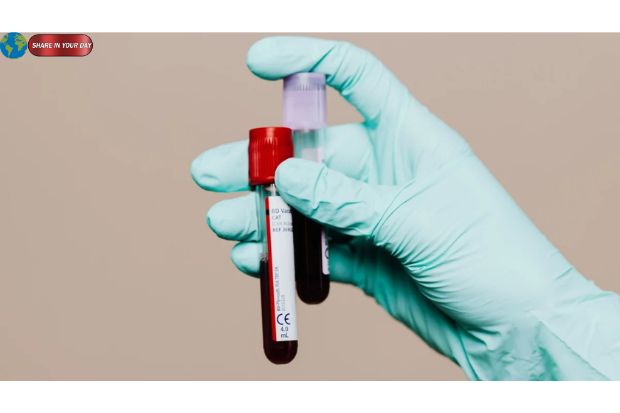
The latest findings highlight how a simple blood sample could identify the earliest stages of Alzheimer’s disease. Researchers are increasingly focusing on biomarkers—specific proteins or signals in the blood—that reflect changes happening inside the brain.
According to recent studies, these biomarkers can appear years or even decades before symptoms begin.
This is a major leap forward compared to traditional diagnostic methods, such as brain scans or spinal fluid analysis, which are expensive and often invasive.
Blood tests, on the other hand, are:
- Faster
- More affordable
- Easier to access globally
Because of these advantages, experts believe blood-based diagnostics could soon become the standard for early Alzheimer’s screening.
1. Key Biomarkers Reveal Hidden Brain Damage
One of the most important discoveries behind the Alzheimer’s blood test is the identification of specific biomarkers linked to brain degeneration.
A protein known as p-tau217 has emerged as a critical indicator. This protein reflects the buildup of amyloid plaques and tau tangles—two hallmark features of Alzheimer’s disease.
As these proteins accumulate in the brain, they disrupt communication between neurons, leading to cognitive decline.
What makes p-tau217 particularly valuable is that it appears in the bloodstream long before symptoms begin. This allows researchers to detect the disease at a much earlier stage than ever before.
2. Predicting Alzheimer’s Timeline With a “Biological Clock”
Another major breakthrough is the development of a predictive model often referred to as a “biological clock.”
By analyzing blood biomarkers, scientists can estimate when Alzheimer’s symptoms are likely to begin—sometimes within a margin of just a few years.
This works because the buildup of harmful proteins in the brain follows a consistent pattern over time, similar to growth rings in a tree.
The implications are significant:
- Doctors could identify high-risk patients earlier
- Patients could plan for future care
- Clinical trials could target individuals before symptoms appear
Although the technology is still being refined, it represents a major step toward predictive medicine.
3. Detection Could Happen Decades Earlier
Perhaps the most striking aspect of the Alzheimer’s blood test is how early it may detect risk.
Some studies suggest that certain biomarkers could signal Alzheimer’s risk up to 10–25 years before symptoms develop.
This means that individuals in their 40s or 50s could potentially learn about their risk decades in advance.
Early detection on this scale could:
- Enable lifestyle changes to slow progression
- Allow earlier medical interventions
- Improve long-term outcomes
It also opens the door to preventive treatments that target the disease before irreversible brain damage occurs.
4. A Shift Toward Preventive Medicine
The rise of the Alzheimer’s blood test signals a broader transformation in healthcare—from reactive treatment to proactive prevention.
Currently, most Alzheimer’s therapies are administered after symptoms appear, when significant brain damage has already occurred.
However, early detection could change this model entirely.
Researchers believe that identifying at-risk individuals early could:
- Accelerate drug development
- Improve clinical trial success rates
- Enable personalized treatment plans
In fact, some experimental drugs are already showing better results when used in the earliest stages of the disease.
This suggests that timing may be just as important as the treatment itself.
5. Challenges and Limitations Remain
Despite its promise, the Alzheimer’s blood test is not yet ready for widespread clinical use.
Several challenges still need to be addressed:
Accuracy and Validation
While current models are promising, they are not yet precise enough for individual diagnosis. Predictions may have a margin of error of several years.
Population Diversity
Many studies have focused on limited groups, meaning results may not apply equally across all populations.
Ethical Considerations
Knowing one’s Alzheimer’s risk decades in advance raises complex ethical questions, including:
- Psychological impact
- Insurance implications
- Privacy concerns
Treatment Availability
Early detection is only useful if effective treatments are available. While progress is being made, a definitive cure for Alzheimer’s remains elusive.
Economic and Global Impact
Alzheimer’s disease is already a major global health challenge, affecting millions of people worldwide.
In the United States alone, more than 7 million people are living with Alzheimer’s, and that number is expected to nearly double by 2050.
The financial burden is also staggering, with projected costs reaching nearly $1 trillion annually in the coming decades.
The introduction of a reliable Alzheimer’s blood test could significantly reduce these costs by:
- Enabling earlier intervention
- Delaying disease progression
- Reducing long-term care needs
What This Means for the Future
The development of the Alzheimer’s blood test represents a turning point in the fight against one of the world’s most devastating neurological diseases.
While challenges remain, the potential benefits are enormous:
- Earlier diagnosis
- Better treatment outcomes
- Improved quality of life
Experts believe that within the next decade, blood-based diagnostics could become a routine part of healthcare, much like cholesterol or glucose testing today.
Conclusion: A Breakthrough With Life-Changing Potential
The Alzheimer’s blood test is more than just a scientific advancement—it is a glimpse into the future of medicine.
By detecting risk years before symptoms appear, this technology could fundamentally change how we approach Alzheimer’s disease. Instead of reacting to damage, doctors may soon be able to prevent it altogether.
For millions of people worldwide, that shift could mean the difference between losing memories—and preserving them.