Japan Weapons Exports: A Historic Shift in Defense Policy
Japan weapons exports have entered a new era following a landmark policy decision that allows the country to sell lethal military equipment abroad. The move represents one of the most significant changes to Japan’s post-World War II pacifist stance and signals a broader transformation in its national security strategy.
For decades, Japan maintained strict limitations on exporting military equipment. However, growing regional tensions and evolving geopolitical realities have pushed Tokyo toward a more assertive defense posture.
The End of a Postwar Pacifist Era
The latest Japan weapons exports policy marks a dramatic departure from principles that have guided the country for more than half a century.
Historically, Japan restricted arms exports under policies rooted in its pacifist constitution. These rules limited the sale of military equipment to non-combat purposes such as rescue, surveillance, and transport.
Now, those limitations have been removed. Under the new framework, Japan can export a wide range of military equipment, including lethal systems such as missiles, warships, and fighter jets.
This shift reflects a broader reassessment of Japan’s role in global security.
Why Japan Weapons Exports Policy Is Changing
Several key factors explain the transformation in Japan weapons exports policy.
Rising Regional Threats
Japan faces increasing security challenges from neighboring countries, particularly China and North Korea. These threats have prompted Tokyo to strengthen its defense capabilities and partnerships.
Shifting Global Alliances
Uncertainty about global security arrangements has also played a role. Japan is seeking to deepen cooperation with allies by becoming a more active contributor to collective defense efforts.
Economic and Industrial Goals
The new Japan weapons exports policy is also designed to boost the country’s defense industry. By entering the global arms market, Japanese companies can expand production and innovation.
What the New Policy Allows
Under the revised guidelines, Japan weapons exports will now include a much broader range of military equipment.
Key changes include:
- Authorization to export lethal weapons
- Expansion beyond five previously allowed categories
- Sales to countries with defense agreements
Initially, exports will be permitted to around 17 partner nations, including the United States, the United Kingdom, Australia, and several Southeast Asian countries.
However, there are still safeguards in place. Exports to countries actively engaged in conflict are generally restricted, although exceptions may be made under specific circumstances.
Political Leadership Behind the Decision
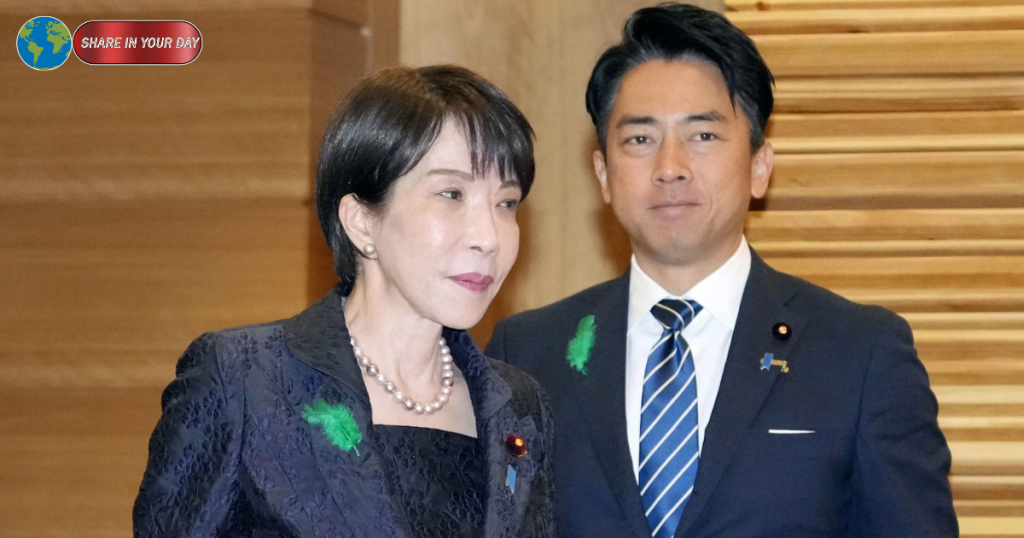
Prime Minister Sanae Takaichi has been a central figure in advancing the new Japan weapons exports policy.
Known for her strong stance on national security, Takaichi has pushed for:
- Increased defense spending
- Strategic military reforms
- Stronger international partnerships
Her administration aims to allocate around 2% of Japan’s GDP to defense, aligning with global benchmarks.
This reflects a broader effort to modernize Japan’s military and adapt to changing global conditions.
Domestic and International Reactions
The new Japan weapons exports policy has sparked mixed reactions both at home and abroad.
Support from Allies
Many of Japan’s allies have welcomed the decision. Countries such as Australia and the United States see it as a step toward stronger defense cooperation.
Criticism from Rivals
China has expressed strong opposition, warning that the move could increase regional tensions and signal a shift toward militarization.
Concerns Within Japan
Domestically, critics argue that the policy undermines Japan’s pacifist identity. Some fear it could draw the country into international conflicts or escalate global arms competition.
Strategic Implications for Asia
The evolution of Japan weapons exports policy has significant implications for regional security.
Strengthening Alliances
By supplying weapons to allies, Japan can play a more active role in maintaining regional stability.
Balancing Regional Powers
The move is widely seen as part of a broader effort to counterbalance China’s growing military influence.
Expanding Defense Networks
Japan’s entry into the arms market could reshape defense relationships across Asia and beyond.
Challenges Ahead
Despite its potential benefits, the new Japan weapons exports policy faces several challenges.
Legal and Constitutional Issues
Japan’s pacifist constitution remains a point of contention. Any further expansion of military capabilities could require constitutional changes.
Industry Limitations
Japan’s defense industry is relatively small compared to global competitors. Scaling up production to meet international demand may take time.
Ethical Concerns
The export of lethal weapons raises ethical questions about accountability and the potential consequences of military sales.
A Turning Point in Modern Japan
The shift in Japan weapons exports policy represents more than just a regulatory change. It marks a turning point in how Japan defines its role in the world.
From a nation committed to pacifism, Japan is gradually evolving into a more proactive security player. This transformation reflects both necessity and ambition in a rapidly changing global landscape.
What Comes Next?
Looking ahead, the future of Japan weapons exports will depend on several factors:
- Implementation of the new policy
- International demand for Japanese military equipment
- Domestic political support
If successful, Japan could become a significant player in the global defense market. However, the long-term impact will depend on how the policy is managed and perceived.
Final Thoughts
The expansion of Japan weapons exports signals a bold and controversial shift in national policy. While it offers opportunities for economic growth and stronger alliances, it also raises important questions about identity, security, and global stability.
As the world watches closely, Japan’s next steps will help shape not only its own future but also the broader dynamics of international security.