
Hormuz Security Plan Revealed: Europe Pushes Ahead Despite U.S. Pressure
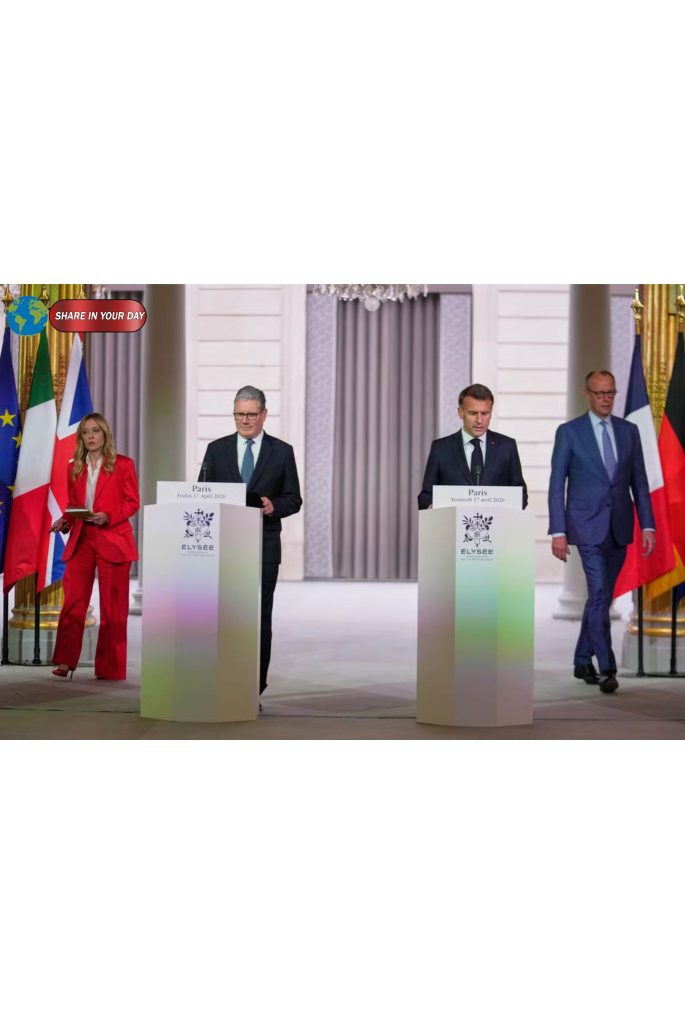
The Hormuz security plan is rapidly becoming one of the most significant geopolitical developments of 2026. European nations are accelerating efforts to secure the Strait of Hormuz, even as the United States signals that allies should stay away from the region. This unexpected divergence is raising questions about global security coordination, energy stability, and the future of transatlantic relations.
The Strait of Hormuz remains one of the most strategically vital waterways in the world. Nearly a fifth of global oil supply passes through this narrow corridor, making any disruption a direct threat to international markets. Therefore, Europe’s decision to act independently is not just a regional maneuver—it is a move with global consequences.
Why the Hormuz Security Plan Matters Now
The urgency behind the Hormuz security plan stems from escalating tensions in the Middle East. Increased military activity, threats to commercial shipping, and uncertainty surrounding Iran’s position have all contributed to instability in the region.
However, Europe’s response differs significantly from that of the United States. While Washington has leaned toward a more aggressive posture, including naval pressure and potential blockades, European leaders are opting for a more measured approach.
This difference is not accidental. Instead, it reflects a broader strategic shift.
Europe is increasingly prioritizing de-escalation and neutrality. By focusing on defensive maritime security rather than offensive operations, European nations aim to protect global trade without intensifying conflict.
5 Key Moves in Europe’s Hormuz Security Plan
1. Launching a European-Led Naval Mission
At the core of the Hormuz security plan is the creation of a European-led naval mission. This initiative is expected to involve major powers such as France and the United Kingdom, with additional support from other EU member states.
The mission will focus on:
- Escorting commercial vessels
- Monitoring maritime activity
- Preventing potential attacks or disruptions
Importantly, this force is designed to operate independently, without direct U.S. command.
2. Maintaining Strategic Neutrality
Another critical element of the Hormuz security plan is neutrality. European officials are carefully positioning the mission as a non-confrontational operation.
This means avoiding direct involvement in U.S.-Iran tensions. Instead, the emphasis is on ensuring safe passage for international shipping.
This approach could reduce the risk of escalation. However, it also introduces challenges, particularly in coordinating with other global powers operating in the same region.
3. Reducing Dependence on U.S. Military Leadership
For decades, Europe has relied heavily on U.S. military capabilities for global security operations. The Hormuz security plan signals a clear shift.
By organizing and leading their own mission, European countries are demonstrating a growing desire for strategic autonomy.
This shift is not just symbolic. It reflects deeper concerns about:
- Reliability of U.S. foreign policy
- Changing political dynamics in Washington
- The need for independent crisis response mechanisms
As a result, the Hormuz initiative could mark a turning point in NATO dynamics.
4. Protecting Global Energy Supply Chains
Energy security is a central driver of the Hormuz security plan. Any disruption in the Strait of Hormuz can cause immediate spikes in oil prices, affecting economies worldwide.
Europe, which relies heavily on imported energy, has strong incentives to ensure stability. Therefore, the naval mission is closely tied to broader energy strategies, including:
- Strategic fuel reserves
- Diversification of supply routes
- Increased monitoring of shipping lanes
These measures aim to reduce vulnerability to sudden shocks.
5. Building a Broader International Coalition
Although the mission is European-led, it is not expected to remain exclusively European. Discussions are already underway to involve additional countries.
This could include:
- Asian economies dependent on Hormuz النفط flows
- Neutral maritime nations
- Strategic partners outside NATO
By expanding participation, Europe hopes to strengthen legitimacy and share operational burdens.
The U.S. Factor: A Complicated Relationship
The Hormuz security plan is unfolding against a backdrop of tension between Europe and the United States. Recent statements from U.S. leadership urging allies to stay out of the region have created confusion.
On one hand, the U.S. seeks to maintain control over its strategic operations. On the other, Europe views independent action as necessary for its own interests.
This divergence highlights a broader issue: a lack of unified strategy among Western allies.
While both sides aim to secure the Strait of Hormuz, their methods differ significantly. The U.S. approach tends to emphasize deterrence through strength. Europe, meanwhile, is focusing on stabilization and risk reduction.
Economic Implications of the Hormuz Security Plan
The economic stakes surrounding the Hormuz security plan cannot be overstated. Global markets are highly sensitive to developments in the region.
If the plan succeeds, it could:
- Stabilize oil prices
- Restore confidence in shipping routes
- Prevent supply chain disruptions
However, failure or escalation could have the opposite effect. Energy prices could surge, inflation could rise, and global trade could slow.
Therefore, the success of this initiative is closely tied to the broader health of the global economy.
Challenges and Risks Ahead
Despite its strategic importance, the Hormuz security plan faces several challenges.
First, coordination remains a major hurdle. With multiple countries potentially involved, aligning objectives and rules of engagement will be complex.
Second, the risk of miscalculation cannot be ignored. Even a defensive mission could be perceived as provocative under certain circumstances.
Third, logistical constraints may limit effectiveness. Sustained naval operations require significant resources, planning, and political commitment.
Finally, internal divisions within Europe could complicate decision-making. Not all countries share the same level of urgency or strategic outlook.
A Turning Point for Global Security Strategy
The Hormuz security plan represents more than a regional initiative. It reflects a broader transformation in how global security is managed.
Europe’s willingness to act independently signals a shift toward multipolar leadership. Instead of relying on a single dominant power, multiple actors are taking responsibility for stability.
This trend could reshape international relations in the coming years.
At the same time, it raises important questions about coordination and cooperation. Without alignment among major powers, even well-intentioned efforts could lead to fragmentation.
Conclusion: A Defining Moment for Europe and Global Stability
The Hormuz security plan is emerging as a defining moment in international politics. Europe’s decision to move forward independently highlights both opportunity and risk.
On one hand, it demonstrates leadership and commitment to global stability. On the other, it underscores growing divisions among traditional allies.
As the situation evolves, the effectiveness of this plan will depend on careful execution, clear communication, and sustained cooperation.
Ultimately, the stakes extend far beyond the Strait of Hormuz. The outcome will shape not only energy markets, but also the future of global security itself