Lucas Museum of Narrative Art Opens in Los Angeles With Hollywood Celebration
Los Angeles is welcoming a major new cultural institution as the Lucas Museum of Narrative Art prepares to open its doors in Exposition Park, bringing together fine art, illustration, comics, cinema and popular culture under one sweeping roof.
Founded by filmmaker George Lucas and businesswoman Mellody Hobson, the museum represents the culmination of a project that took years to find a permanent home. After proposals in other cities failed to move forward, the institution ultimately found its place in Los Angeles, where the futuristic building has become a major addition to the Exposition Park landscape.
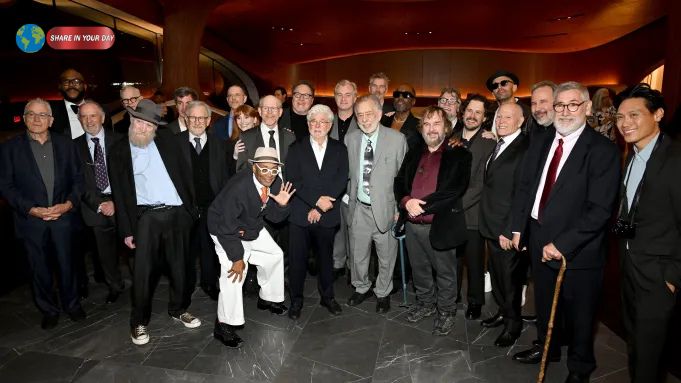
The museum will officially open to the public on September 22, 2026. Its opening follows a star-studded celebration attended by figures from Hollywood, the arts, business and philanthropy.
A Museum Built Around Storytelling
The central idea behind the Lucas Museum is narrative art — the use of images to tell stories, communicate ideas and preserve cultural experiences.
Rather than separating traditional fine art from commercial illustration or popular entertainment, the museum brings those forms together. Its collection includes works ranging from historic paintings and murals to comic books, children’s illustrations, movie materials and science-fiction artwork.
The institution says its permanent collection contains more than 40,000 works, while the opening exhibitions will occupy more than 100,000 square feet across more than 30 galleries.
That approach reflects Lucas’ long-standing interest in visual storytelling. His own career transformed cinematic storytelling through films including the Star Wars saga, but the museum is intended to present a much broader history of the ways humans communicate through images.
Visitors will encounter artists from very different periods and traditions, including Frida Kahlo, Norman Rockwell, Artemisia Gentileschi, Diego Rivera, Vincent van Gogh and Judith F. Baca.
Hollywood Meets the Art World
The museum’s opening has attracted considerable attention from Hollywood because of Lucas’ influence on the film industry and the institution’s extensive connection to cinema.
One of the opening exhibitions, Star Wars in Motion, draws from the Lucas Archives and examines vehicles and visual concepts from the first six Star Wars films.
The exhibition includes concept designs, props and costumes associated with vehicles from the films, giving visitors an opportunity to see how some of cinema’s most recognizable worlds were developed.
The museum’s relationship with Hollywood goes beyond Star Wars. Its cinema programming is designed to explore filmmaking as both a storytelling medium and a technological achievement.
Two theaters will offer continuous, drop-in film experiences. The Robert Flaherty Theater focuses on documentary filmmaking and the ability of cinema to capture reality, while the Slavko Vorkapich Theater explores movement, editing, sound, color and the mechanics of film.
A Striking New Landmark
The museum itself is almost as notable as the collection inside it.
Designed by architect Ma Yansong of MAD Architects with Stantec, the building has a flowing, organic appearance rather than the conventional rectangular form associated with many museums.
The structure covers approximately 300,000 square feet and features a dramatic central opening, or oculus, above the main public space.
Its design was conceived as an extension of the surrounding landscape. The building rises above the park and creates sheltered public areas beneath its sweeping structure, giving visitors an architectural experience before they even enter the galleries.
More than 1,200 individually shaped exterior panels form the building’s distinctive shell, contributing to its curved appearance.
The architecture is part of the museum’s broader philosophy that storytelling can happen through buildings and spaces as well as paintings, photographs and films.
A New Public Space in Exposition Park
The Lucas Museum is surrounded by a 13-acre park and garden designed by landscape architect Mia Lehrer and Studio-MLA.
The project replaces a large area that previously served as an asphalt parking lot with public green space, trees, gardens, pathways and outdoor gathering areas.
More than 300 trees have been planted across the grounds, alongside drought-tolerant and Southern California-adapted vegetation.
The campus also features monumental outdoor sculptures. Some relate directly to cinematic storytelling, while others reflect broader historical and cultural themes.
The park is intended to function independently of the museum as a public space, giving residents and visitors another reason to spend time at the Exposition Park campus.
From Banksy to Comic Art
The museum’s collection deliberately crosses the boundaries that traditionally separate popular and fine art.
One of the opening presentations includes work associated with British street artist Banksy, alongside murals connected to artists such as Diego Rivera and Judith F. Baca.
Other galleries explore comic books, manga, graphic novels, fantasy art and illustration.
Artists represented across the opening exhibitions include Charles Schulz, Frank Miller, Takashi Murakami, Robert Crumb and George Herriman, demonstrating the institution’s interest in visual storytelling across generations and mediums.
Traditional illustration also receives significant attention through artists including Norman Rockwell, N.C. Wyeth, Jessie Willcox Smith and Frank Frazetta.
The result is a collection that moves between museum classics and imagery that audiences may recognize from books, comics, movies and popular culture.
A Major Research Library
The museum also includes a free Research Library intended to support scholars, students, artists and the general public.
Its holdings span art history, illustration, cinema, folklore, literature, photography, anthropology, design and popular culture.
The collection includes more than 30,000 comic books, along with rare books and archival materials. The library also contains material from the former Lucasfilm Research Library and a significant collection connected to mythologist Joseph Campbell.
Campbell’s work is particularly relevant to Lucas because his writing about mythology and the hero’s journey influenced generations of storytellers, including the development of ideas associated with Star Wars.
The library therefore provides a link between the museum’s artistic collection and the intellectual traditions that have influenced modern storytelling.
The Long Road to Los Angeles
The opening marks the end of a lengthy search for a permanent home.
Lucas’ museum project was considered for locations in both San Francisco and Chicago before Los Angeles ultimately became the chosen destination. The Los Angeles project was approved in 2017, with construction beginning in 2018.
The opening date changed several times as the project encountered the effects of the COVID-19 pandemic, supply-chain disruptions and other delays.
What began as a long-term cultural project has now become one of the most prominent additions to Los Angeles’ museum landscape.
The museum joins the concentration of cultural institutions already located around Exposition Park and near the University of Southern California, creating another major destination for residents, tourists, students and art enthusiasts.
More Than a Star Wars Museum
Despite the obvious connection to Lucas and Star Wars, the institution is designed to be considerably broader than a showcase for the filmmaker’s work.
The collection treats cinema, comics, illustration, murals and popular imagery as part of a much larger history of human storytelling.
That philosophy is perhaps the defining feature of the museum. Visitors can move from ancient visual traditions to modern illustration, from celebrated painters to comic artists, and from historic murals to Hollywood artifacts.
After years of planning, construction and delays, the Lucas Museum of Narrative Art is finally ready to welcome the public.
Its opening gives Los Angeles a new architectural landmark and a museum built around an unusually broad question: how have people used images to tell stories, communicate beliefs and understand one another?
For Lucas and Hobson, the answer is spread across thousands of works and multiple centuries. For visitors, the museum offers an opportunity to experience those stories in one place.