Ed Sheeran Clarifies Gaza Stance After Macklemore Tour Controversy
Ed Sheeran has publicly addressed the conflict in Gaza and the controversy surrounding Macklemore’s removal from his U.S. tour, telling concertgoers in Philadelphia that the situation has placed him at the center of a wider debate over freedom of speech, music and politics.
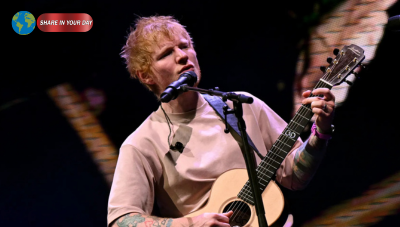
Speaking before his performance at Lincoln Financial Field on September 19, Sheeran said he had never intended to become an “activist musician,” but acknowledged that the dispute surrounding his tour had made it impossible for him to remain completely silent.
The comments came after a turbulent week for Sheeran’s Loop Tour. Macklemore, who had been scheduled to appear as a supporting act, was removed from the remaining U.S. dates after making public statements supporting Palestinians and saying “Free Palestine” during performances in New Jersey.
Sheeran has repeatedly said that the decision to remove Macklemore was made by the tour promoter rather than by him personally. According to Sheeran, several venues indicated that they would not host the shows if Macklemore remained on the lineup.
Sheeran Addresses Gaza and Israel
During his Philadelphia concert, Sheeran directly discussed his position on the Israel-Gaza conflict for the first time at length.
He condemned the October 7, 2023, attacks in Israel and described the continuing devastation in Gaza as a humanitarian catastrophe. He also expressed concern about civilian deaths and the situation in the West Bank.
Sheeran said his intention has generally been to keep politics separate from his concerts because his shows attract audiences from different backgrounds and generations. He described his performances as spaces centered on music, unity and inclusion.
However, he acknowledged that the controversy surrounding Macklemore had forced him to confront questions about his own public position.
Sheeran also criticized the idea of concert venues pre-approving or restricting what performers are allowed to say onstage. He argued that such decisions raise important questions about freedom of expression, particularly when artists use their platforms to discuss international events.
Why Was Macklemore Removed?
The dispute began after Macklemore made pro-Palestinian comments during his opening performances for Sheeran.
Macklemore has been publicly outspoken about the war in Gaza for years. During his performances with Sheeran, he used footage depicting destruction in Gaza and performed “Hind’s Hall,” a protest song connected to the Palestinian cause.
After being removed from the remaining tour dates, Macklemore said he had discussed the situation with Sheeran and suggested that pressure from venue owners played a major role in the decision.
Sheeran later said venues had communicated that they could withdraw their shows if Macklemore continued appearing on the bill. He said he spent much of the week speaking with venues, promoters and people on different sides of the dispute in an effort to find a solution.
Messina Touring Group, the promoter involved with the tour, previously confirmed that multiple venues had objected to Macklemore remaining on the lineup. The promoter said the decision followed discussions with stakeholders.
Robert Kraft, owner of the New England Patriots and Gillette Stadium, also acknowledged involvement in the decision concerning Macklemore’s scheduled performances at the Massachusetts venue. Kraft cited concerns about what he described as antisemitic rhetoric and imagery while also saying that the suffering of Palestinian civilians should not be ignored.
Supporting Artists Leave the Tour
The controversy expanded when several other musicians withdrew from Sheeran’s tour.
Finneas, Lukas Graham and Aaron Rowe announced that they would no longer participate, while Sheeran’s longtime backing band Beoga also departed from the U.S. run.
Their decisions were made in solidarity with Macklemore and reflected concerns about artists being restricted from expressing political or humanitarian views onstage.
Finneas said artists should not be silenced when speaking about oppressed people. Other departing performers cited their own views about war, occupation and civilian suffering.
The departures left Sheeran facing a dramatically changed lineup as he prepared for the Philadelphia performance.
Macklemore Announces Humanitarian Donation
Following his removal from the tour, Macklemore said he planned to donate $1 million from his tour earnings to organizations providing assistance to Palestinians.
He also challenged Kraft to match the contribution.
Kraft and Sheeran subsequently became involved in discussions about financial support for humanitarian assistance in the region. Reporting has noted that the precise destination of some of the pledged funds was not immediately clear.
The financial commitments added another dimension to an already complicated dispute involving music, freedom of expression and the ongoing humanitarian crisis.
Sheeran Says He Will Continue the Tour
Despite the controversy and departures, Sheeran continued with his scheduled Philadelphia concert.
He told the audience that he had been uncertain whether the tour would continue and said the preceding week had caused him to question whether he would even return to the stage.
Ultimately, he chose to continue performing.
Sheeran emphasized that his concerts would remain places where people with different political views could share the same space. He said music can provide a way for people who disagree about major issues to come together around something they share.
The controversy surrounding Macklemore has nevertheless placed Sheeran’s approach to political expression under intense public scrutiny.
For Macklemore, the dispute has reinforced his long-running decision to use his music and performances to speak about Gaza and Palestinian rights. For Sheeran, the episode has highlighted the difficulties that major touring artists can face when political expression collides with venue policies, promoters and commercial relationships.
As the Loop Tour continues, the debate over Macklemore’s removal is likely to remain connected to larger questions about what artists can say onstage, who controls concert programming and where the boundaries of artistic freedom should be drawn.