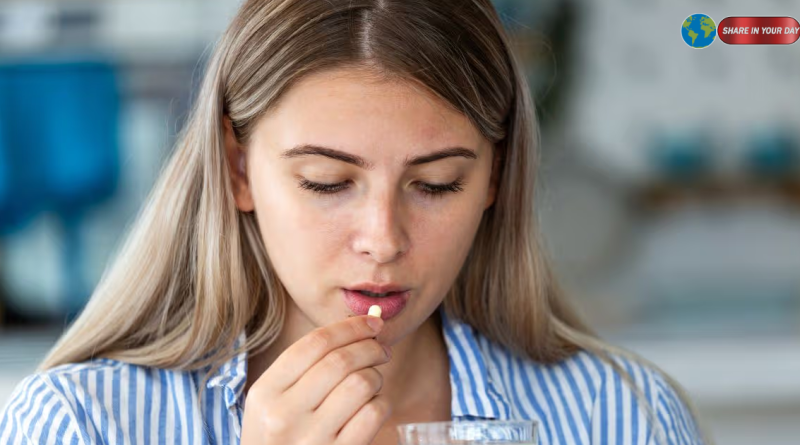
NHS Warning Reveals Dangerous Drink Interactions With Common Tablets
A new NHS warning is drawing urgent attention to a little-known health risk that could affect millions of people. According to medical experts, certain everyday drinks can interfere with how common medications work—potentially reducing their effectiveness or even causing harmful side effects.
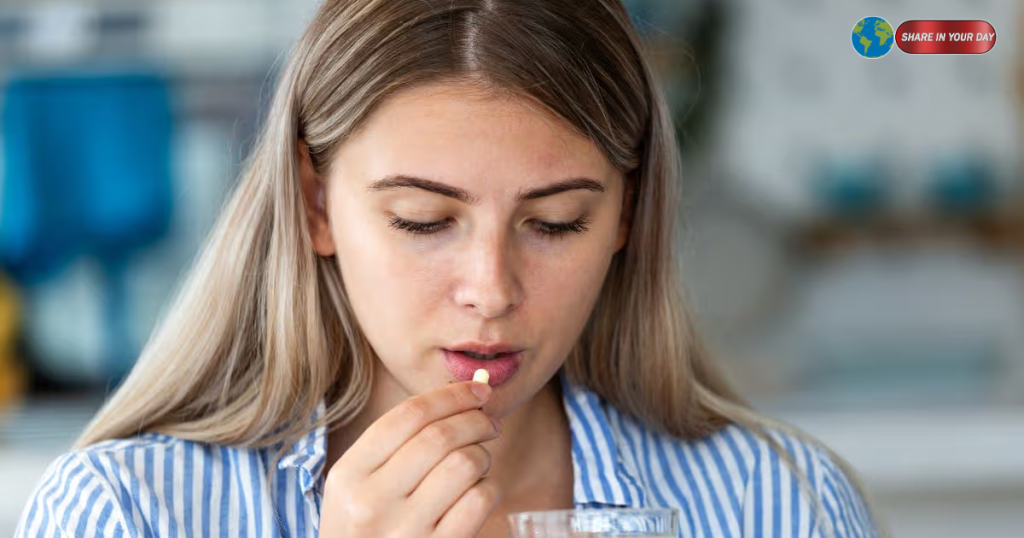
The alert focuses on widely used medications, including antihistamines, and highlights how simple dietary habits may unknowingly put patients at risk.
The Hidden Risk Behind Everyday Drinks
Many people assume that taking medication with a drink—whether juice, tea, or soda—is harmless. However, the latest NHS warning reveals that this is not always the case.
Health professionals have identified specific drinks that can significantly interfere with how drugs are absorbed in the body. In particular, citrus-based beverages such as grapefruit juice have been singled out as especially problematic.
According to guidance, these drinks can reduce the effectiveness of certain medications by altering how the body processes them.
The 3 Drinks You Should Be Careful With
The NHS warning specifically highlights three types of drinks that may interfere with medications:
1. Grapefruit Juice
Grapefruit juice is the most well-known offender. It contains compounds that block enzymes responsible for breaking down drugs in the digestive system.
2. Orange Juice
While often seen as healthy, orange juice can also impact how certain medications are absorbed, particularly some antihistamines.
3. Apple Juice
Surprisingly, apple juice has also been linked to reduced drug absorption in specific cases.
These drinks may not cause immediate harm, but they can make medications significantly less effective—especially when taken regularly.
Why This Interaction Happens
The science behind the NHS warning lies in how the body absorbs and processes medication.
When you take a tablet, it must pass through the digestive system and enter the bloodstream. Certain compounds in fruit juices can interfere with this process by:
- Blocking transport proteins in the gut
- Altering enzyme activity
- Changing the speed of drug absorption
This means the medication may not reach the intended levels in the body, reducing its effectiveness.
Medications Most Affected
The NHS warning particularly emphasizes antihistamines, such as fexofenadine, which are commonly used to treat allergies.
For these medications:
- Drinking fruit juice can significantly lower absorption
- Symptoms may not be properly controlled
- Patients may mistakenly think the drug is ineffective
However, antihistamines are not the only drugs affected. Other medications—including certain heart drugs and antibiotics—may also be influenced by similar interactions.
Real-Life Consequences of Ignoring the Warning
Ignoring the NHS warning can have real-world consequences.
Reduced treatment effectiveness
If medication is not properly absorbed, it may fail to treat the condition it was prescribed for.
Worsening symptoms
Patients may experience ongoing or worsening symptoms, leading to frustration and additional medical visits.
Risk of complications
In some cases, improper medication levels can lead to more serious health issues.
Why Many People Don’t Know About This
Despite the seriousness of the issue, awareness remains low.
There are several reasons why:
- Medication labels may not always highlight drink interactions clearly
- Patients often assume natural drinks are safe
- Doctors and pharmacists may not always emphasize dietary restrictions
This makes the NHS warning particularly important, as it aims to bridge this knowledge gap.
What the NHS Recommends
To stay safe, the NHS advises patients to follow these simple guidelines:
Take medication with water
Water is the safest option and does not interfere with drug absorption.
Check medication instructions
Always read the label or consult a healthcare professional about possible interactions.
Avoid risky drinks around dosage time
If you consume fruit juices, avoid taking them at the same time as your medication.
Expert Advice: Small Changes, Big Impact
Healthcare professionals stress that avoiding these interactions does not require major lifestyle changes.
Instead, simple adjustments—such as switching to water when taking medication—can make a significant difference.
This is why the NHS warning is being taken seriously: it highlights a preventable issue with a straightforward solution.
A Growing Focus on Medication Safety
The NHS warning reflects a broader effort to improve medication safety across the UK.
In recent years, health authorities have increasingly focused on:
- Reducing preventable medical errors
- Improving patient education
- Highlighting everyday risks
This latest alert is part of that ongoing effort to ensure people use medications safely and effectively.
Global Relevance of the NHS Warning
Although the warning comes from the UK, its implications are global.
Millions of people worldwide take similar medications and may unknowingly combine them with drinks that reduce their effectiveness.
This makes the NHS warning relevant far beyond the UK, serving as a reminder for patients everywhere to pay closer attention to how they take their medication.
What You Should Do Next
If you regularly take medication, consider the following steps:
- Review your current habits
- Avoid taking tablets with fruit juices
- Speak with a pharmacist if unsure
Even small changes can help ensure your medication works as intended.
Conclusion: A Simple Habit That Could Protect Your Health
The NHS warning reveals an important but often overlooked health risk. While fruit juices are generally seen as healthy, they can interfere with how certain medications work.
By understanding these interactions and making simple adjustments, patients can protect their health and get the full benefit of their treatment.
In the end, something as simple as choosing water over juice when taking medication could make all the difference.