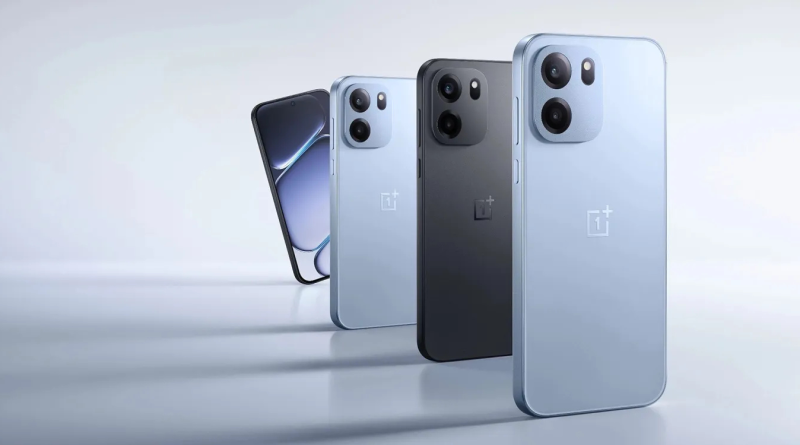
OnePlus Nord CE 6 Update Policy Revealed in 2026
The new OnePlus Nord CE 6 arrived this week with hardware that immediately attracted attention in the mid-range smartphone market. A large battery, fast display, updated chipset, and an affordable price positioned the device as one of the more interesting launches from OnePlus this month.
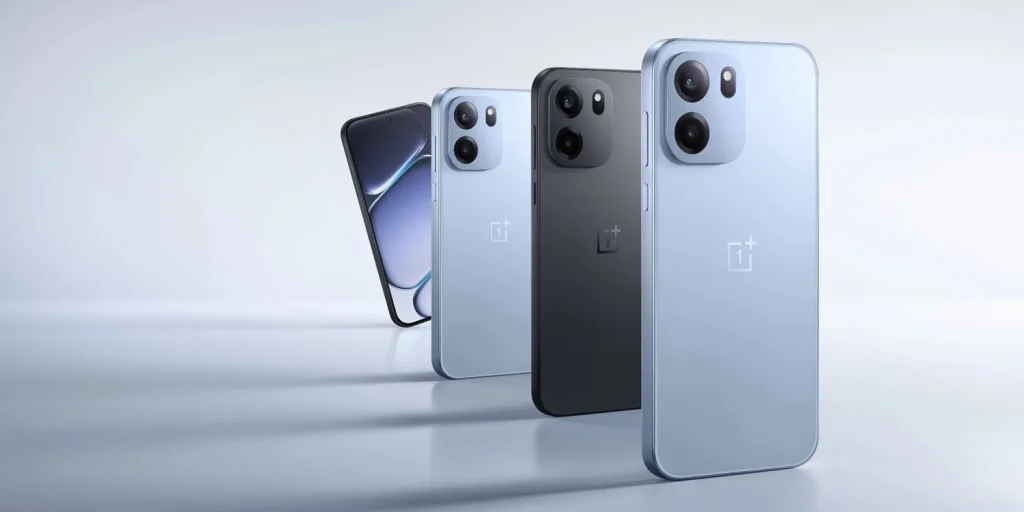
However, the conversation surrounding the phone shifted quickly after details about the OnePlus Nord CE 6 update policy became clear. While the company promotes long-term software smoothness and support, the actual number of major Android operating system upgrades appears significantly lower than what many buyers expected. That detail has triggered debate among users, analysts, and Android enthusiasts.
A Promising Mid-Range Launch
On paper, the OnePlus Nord CE 6 offers an attractive package.
The device features a 6.78-inch display with a 144Hz refresh rate, giving it a fluid experience for scrolling, gaming, and day-to-day navigation. It is powered by Qualcomm’s Snapdragon 7s Gen 4 platform and pairs that with 8GB of RAM. On the camera side, OnePlus includes a 50-megapixel main rear sensor.
Perhaps the most eye-catching hardware feature is the 8,000mAh battery. In a market where many smartphones still ship with batteries around 5,000mAh, that capacity stands out immediately. It signals a strong focus on endurance, extended media consumption, and all-day productivity.
The phone also launches with Android 16-based OxygenOS. That is important because starting with a newer version of Android usually suggests a longer software runway.
For buyers looking primarily at specifications and price, the Nord CE 6 initially looks highly competitive in the sub-€300 category.
OnePlus Nord CE 6 Update Policy Sparks Questions
The issue emerged when OnePlus described the software promise around the phone.
Marketing language highlighted that the device would remain “fast and smooth for 6 years.” At first glance, that wording gives the impression of robust long-term software support. Many users understandably interpreted that to mean several years of major Android operating system upgrades.
However, reporting this week indicates that the OnePlus Nord CE 6 will receive only two major Android OS upgrades. That is notably less than what many consumers now expect in 2026, particularly when several competing brands have expanded their update commitments across both premium and affordable devices.
That distinction matters.
There is a major difference between long-term platform maintenance and actual OS upgrades. Security patches, optimization updates, and performance tuning help maintain usability. But major Android version upgrades typically introduce platform-level improvements, new privacy features, interface changes, and long-term app compatibility benefits.
For many buyers, that is the metric that defines software longevity.
Why Consumers Care More About Software Support
The smartphone market has changed considerably over the past few years.
Consumers are keeping devices longer. Economic pressure, higher flagship prices, and slower annual hardware jumps have all contributed to that trend. A phone purchased in 2026 may realistically remain in daily use for four to five years.
That reality has changed how people evaluate mid-range devices.
Previously, buyers focused mostly on camera quality, battery life, and display performance. Today, software support sits much higher on the priority list. Buyers increasingly ask how long a device will receive operating system upgrades and security support before they decide to purchase.
The OnePlus Nord CE 6 demonstrates why that question matters.
The phone’s hardware looks capable enough to remain relevant for years. The battery is large. The chipset is modern. The display is competitive. From a pure hardware perspective, there is little that immediately suggests short-term obsolescence.
Yet software policy can influence perceived long-term value just as much as hardware.
What “Fast and Smooth for 6 Years” Actually Means
One of the main reasons the story gained attention is the gap between marketing language and consumer interpretation.
The “fast and smooth for 6 years” message appears to refer more to software optimization, sustained responsiveness, and long-term usability rather than six years of full Android platform upgrades.
That is an important clarification.
A phone can remain stable and usable through performance tuning, memory management improvements, and security maintenance. But that does not necessarily mean users will receive the newest Android platform features over the same period.
This distinction is becoming increasingly important across the broader Android ecosystem.
Manufacturers now compete not only on hardware but also on software transparency. Consumers have become more attentive to the exact meaning behind phrases such as “support,” “software maintenance,” “security coverage,” and “OS upgrades.”
The OnePlus Nord CE 6 update policy has become a fresh example of why clear communication matters.
The Competitive Landscape in 2026
The broader smartphone market helps explain why this announcement has generated attention.
Software update commitments have become more aggressive across the industry.
Several Android brands have expanded multi-year support policies even for non-flagship devices. That has gradually raised consumer expectations. Buyers increasingly see long-term update support not as a premium feature but as a baseline purchasing factor.
Because of that shift, a device offering only two major Android upgrades can feel less competitive, even if the hardware itself remains strong.
That does not automatically make the Nord CE 6 a weak product.
Instead, it changes how the phone is positioned.
For buyers who prioritize battery life, display fluidity, and affordable hardware value, the device may still make sense.
For buyers who prioritize software longevity above all else, the equation becomes more complicated.
Community Reaction Appears Mixed
Early community reactions show a mix of disappointment and caution.
Discussion among users on Reddit reflected concerns that the new model may receive fewer major Android upgrades than expected. Some commenters argued that strong hardware should ideally be paired with stronger software commitments, especially in an increasingly competitive mid-range market. Others noted that security updates and usability still matter, but many viewed major platform upgrades as a central buying factor.
This reaction reflects a broader market trend.
Consumers today are more informed. They compare software promises closely. They examine update roadmaps before purchase. And they increasingly view long-term support as part of overall value rather than an optional extra.
Why the Nord CE 6 Still Matters
Despite the controversy, the OnePlus Nord CE 6 remains notable.
Its launch demonstrates how mid-range smartphones are evolving.
A large 8,000mAh battery would once have been considered a niche feature. A 144Hz display at this price point would previously have been unusual. A modern Snapdragon platform and Android 16 out of the box also strengthen the package.
In practical day-to-day use, the device may still prove highly appealing.
Heavy users who prioritize endurance may find the battery especially attractive. Mobile gamers may appreciate the high refresh panel. Casual users may simply want a fast phone that lasts all day without needing premium flagship pricing.
That practical value remains meaningful.
The issue is less about whether the phone is good hardware and more about how buyers define long-term ownership value.
What Buyers Should Consider Before Purchasing
For consumers evaluating the OnePlus Nord CE 6, the right decision depends on priorities.
If hardware value is the main concern, the device looks compelling.
It offers a large battery, strong display, modern chipset, and updated software foundation at an accessible price point.
If long-term platform upgrades are essential, however, buyers should pay close attention to the software roadmap.
A phone can remain functional for years while still receiving fewer major Android upgrades than some competing alternatives.
That makes software transparency critical before purchase.
Buyers should not rely solely on broad marketing phrases. Instead, they should verify:
Number of major Android OS upgrades
This determines how long the device will receive new Android platform versions.
Length of security support
Security patches remain essential for privacy, reliability, and long-term safe usage.
Long-term performance maintenance
Optimization support can help preserve usability even when major platform upgrades slow down.
The Bigger Industry Lesson
The OnePlus Nord CE 6 story reveals something bigger than one device.
It shows how software messaging has become one of the most important areas of smartphone communication.
In previous years, hardware specifications dominated launch headlines.
Today, support commitments often shape the conversation just as strongly.
That trend will likely continue.
Consumers now keep devices longer, compare more carefully, and evaluate long-term ownership cost more seriously than before.
As a result, update policies are no longer secondary details buried deep in spec sheets. They are increasingly front-page buying factors.
Final Take
The OnePlus Nord CE 6 arrives as a capable and attractive mid-range smartphone.
Its hardware is competitive. Its battery is unusually large. Its display is fast. Its price appears aggressive.
Yet the OnePlus Nord CE 6 update policy has become the defining topic of its launch.
By pairing strong hardware with a more limited major Android upgrade commitment, OnePlus has created a conversation that extends beyond a single device.
For some buyers, the phone will still represent excellent value.
For others, software longevity may become the deciding factor.
That is precisely why the Nord CE 6 matters in 2026: it reflects a smartphone market where long-term software support now carries almost as much weight as hardware innovation.