Pennsylvania Measles Outbreak Continues to Expand
The latest numbers show how quickly the Pennsylvania measles outbreak has grown.
On Aug. 28, Pennsylvania reported 460 cases in 31 counties. By Aug. 31, the total had increased to 497 cases across 34 counties. On Sept. 2, the state reported 540 cases in 36 counties. Two days later, the total reached 577 cases in 37 counties.
That progression demonstrates why public-health officials remain concerned as the outbreak moves into additional communities.
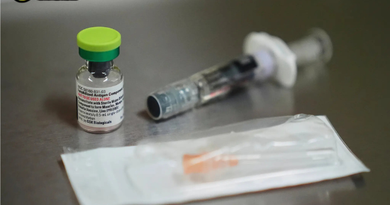
The Pennsylvania Department of Health has described vaccination as the most effective way to prevent measles. Officials say the MMR vaccine is about 97% effective at preventing measles after two doses.
Since the outbreak began, the state has also operated more than 100 pop-up vaccination clinics in affected communities. By early September, more than 3,900 MMR vaccinations had been administered through those efforts.
Why Lancaster County Is at the Center
Lancaster County has emerged as the main center of the Pennsylvania measles outbreak.
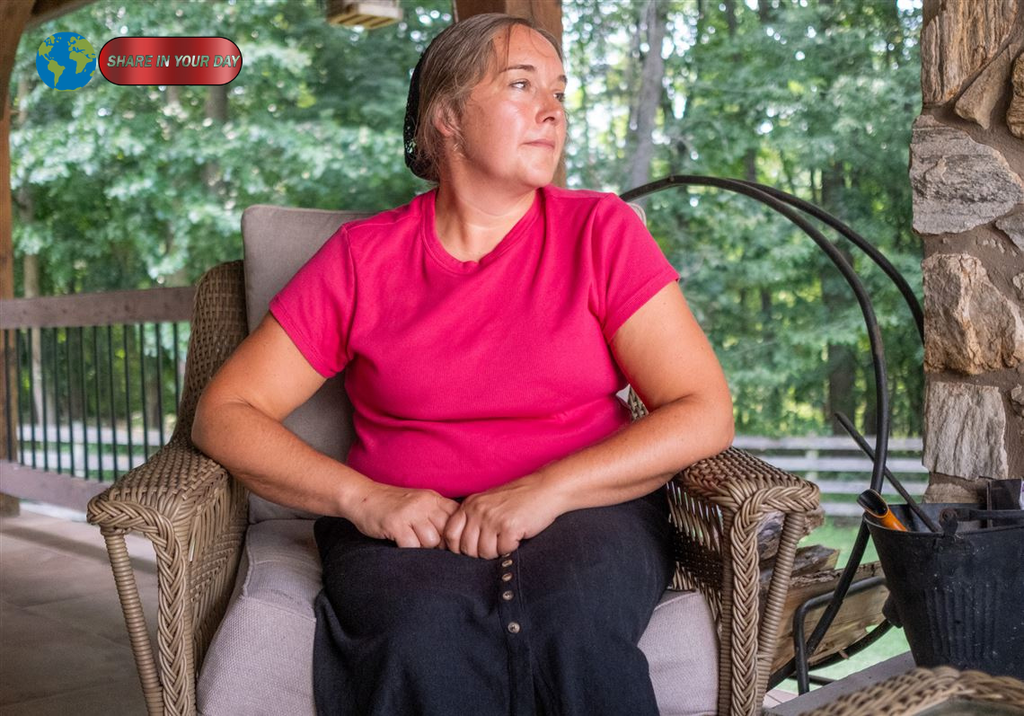
The county is home to large Amish and Mennonite populations, as well as other rural communities. However, health officials have cautioned against portraying the outbreak as exclusively an Amish or Mennonite problem.
Vaccination decisions vary significantly within Plain communities. Doctors and public-health workers have emphasized that measles transmission can occur in any population where enough people lack immunity.
Earlier reporting from Lancaster County documented measles cases connected to communities where childhood vaccination rates were relatively low. At Ephrata Mennonite School, for example, fewer than half of kindergarten students were immune to measles during the period examined by health reporters.
The situation illustrates an important public-health principle: vaccination coverage is not simply an individual issue. When vaccination rates decline across a community, infections can spread more easily and reach people who are particularly vulnerable.
Those vulnerable groups include infants who are too young to receive routine vaccination, people with certain immune-system conditions and others who cannot be vaccinated for medical reasons.
The Outbreak Began in the Spring
The current Pennsylvania measles outbreak began in late April.
Early cases appeared in the Lancaster-Lebanon region before the virus spread more widely. Pennsylvania officials initially focused significant resources on southeastern and central counties, including Lancaster and Lebanon.
By June, the outbreak had already become the largest measles outbreak Pennsylvania had seen in more than 30 years, according to reporting at the time. Healthcare providers were concerned that additional infections were occurring without being immediately detected.
The highly contagious nature of measles makes that problem especially difficult.
According to the CDC, as many as nine out of 10 people who are not protected against measles can become infected after close contact with someone carrying the virus.
That means one undetected infection can potentially create a much larger chain of transmission.
Pennsylvania Measles Outbreak Raises Vaccination Concerns
One of the central issues behind the outbreak is declining vaccination coverage.
Pennsylvania has historically maintained high childhood vaccination rates, helping prevent measles from spreading widely after the disease was eliminated from sustained transmission in the United States.
But vaccination gaps have grown in some communities.
Earlier state data showed particularly low vaccination rates in parts of Lancaster County. The Pennsylvania Department of Health has therefore increased vaccination outreach, including mobile and pop-up clinics designed to bring services closer to affected communities.
The strategy is intended to make vaccination easier to access while also providing residents with reliable information about measles and its complications.
This approach is especially important in rural areas, where some residents may not regularly interact with conventional healthcare systems.
Two Measles-Associated Deaths in Lancaster County
The Pennsylvania measles outbreak took a more serious turn in August when state health officials announced two measles-associated deaths in Lancaster County.
The deaths were the first reported measles-associated fatalities in Pennsylvania in 35 years, according to state officials. Both individuals were unvaccinated, and the state initially withheld additional identifying information to protect the families’ privacy.
The deaths subsequently became part of a broader dispute over how the fatalities should be classified in national measles statistics.
A Lancaster County coroner later confirmed that a 6-week-old infant from the Amish community had died after contracting measles. The infant also had a rare genetic condition known as Amish lethal microcephaly, which made the child particularly vulnerable to severe illness.
The circumstances surrounding the deaths have received national attention because Pennsylvania health officials and federal authorities have differed over how the cases should be recorded.
That disagreement does not change the central public-health concern: measles can cause severe disease, especially in infants and young children.
What Are the Symptoms of Measles?
Measles usually begins with symptoms that can initially resemble other respiratory infections.
The CDC says early symptoms generally appear seven to 14 days after infection and can include:
- High fever
- Cough
- Runny nose
- Red or watery eyes
- A characteristic rash
Small white spots inside the mouth, known as Koplik spots, can also develop several days after the initial symptoms.
The rash typically appears after the first symptoms and can spread across much of the body.
Because measles is extremely contagious, anyone who believes they have been exposed should contact a healthcare provider promptly rather than simply appearing unannounced at a medical office. Healthcare providers can advise patients about appropriate testing, isolation and treatment procedures.
The CDC specifically recommends contacting a healthcare provider immediately if someone believes they or their child has been exposed to measles.
Why Two MMR Doses Matter
Vaccination remains the most important protection against measles.
The CDC recommends two doses of MMR vaccine for children. The first dose is generally given at 12 to 15 months of age, followed by a second dose at 4 to 6 years.
Two doses provide approximately 97% protection against measles, while one dose provides about 93% protection.
During an outbreak, however, public-health authorities may recommend additional vaccination measures for people who are at increased risk.
The CDC says people who have been exposed and cannot demonstrate adequate immunity may be eligible for post-exposure protection. Depending on the circumstances, MMR vaccination may be used within 72 hours of exposure, while immune globulin can be used in certain situations within six days.
People should consult healthcare professionals or public-health authorities for individualized advice.
Health Officials Expand Response
Pennsylvania officials have responded to the Pennsylvania measles outbreak with a combination of surveillance, contact tracing, public warnings and vaccination campaigns.
The state has also issued public notices about possible exposure locations.
In August, for example, Pennsylvania health officials warned about potential exposures connected to Millersville University and a Whole Foods Market in Lancaster. Officials urged people who may have been exposed to check their vaccination status and monitor for symptoms.
Earlier in the outbreak, health officials also investigated possible exposure at the Lancaster County Courthouse after a person with measles visited the facility.
These investigations are a standard part of outbreak control. Officials attempt to identify where an infected person was while contagious and then notify people who may have been exposed.
That work becomes increasingly complicated as the number of cases grows.
Pennsylvania Is Not Alone
The Pennsylvania measles outbreak is occurring as measles cases have increased nationally.
CDC surveillance for 2026 has shown a substantial resurgence of measles in the United States. Weekly national figures remain provisional and can change as state and local health departments reconcile their data.
The national situation adds another layer of risk because measles can be introduced into communities by infected travelers and then spread rapidly among people who lack immunity.
Pennsylvania’s experience demonstrates how quickly an outbreak can move from a small cluster to a statewide public-health challenge.
What Residents Should Do
For Pennsylvania residents, the most important step is to know their vaccination status.
People who are unsure whether they have received the recommended MMR doses can discuss their records with a healthcare provider.
Parents should also make sure children receive routine vaccinations according to medical guidance.
People who develop symptoms after a possible measles exposure should contact a healthcare provider before arriving at a clinic or hospital. This allows medical staff to take precautions that can protect other patients and healthcare workers.
Residents can also monitor the Pennsylvania Department of Health’s official measles information and case dashboard for updates.
What Happens Next?
The trajectory of the Pennsylvania measles outbreak will depend heavily on vaccination coverage, early detection and the ability of public-health workers to identify new chains of transmission.
The increase from 460 cases at the end of August to 577 by Sept. 4 shows that the outbreak remains active. At the same time, the state’s vaccination campaign demonstrates that health officials are working to close immunity gaps in affected communities.
Lancaster County will remain a critical area to watch. But the expansion to 37 counties shows that measles is no longer simply a localized Lancaster County issue.
The outbreak also offers a broader warning for communities across the United States. Diseases that once seemed rare can return quickly when vaccination coverage falls far enough to allow sustained transmission.
For now, health authorities continue to emphasize a straightforward message: vaccination provides the strongest protection against measles, while early recognition and rapid public-health intervention can help limit further spread.
As Pennsylvania works to contain its largest measles crisis in decades, the coming weeks will be critical in determining whether new vaccination efforts can slow transmission or whether the outbreak will continue expanding into additional communities.