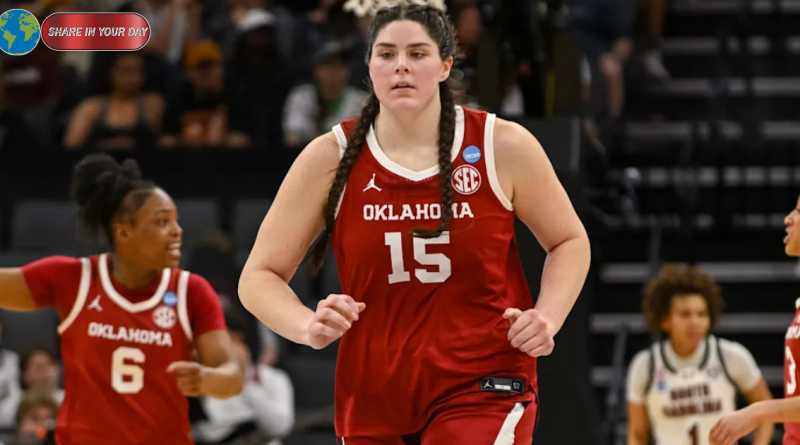
Raegan Beers Draft Snub Shocking WNBA Mistake Revealed
The Raegan Beers draft snub has quickly become one of the most controversial storylines emerging from the 2026 WNBA Draft. Despite an outstanding collegiate career and consistent elite production, Beers went completely undrafted—leaving fans, analysts, and insiders questioning whether WNBA teams are overthinking talent evaluation.
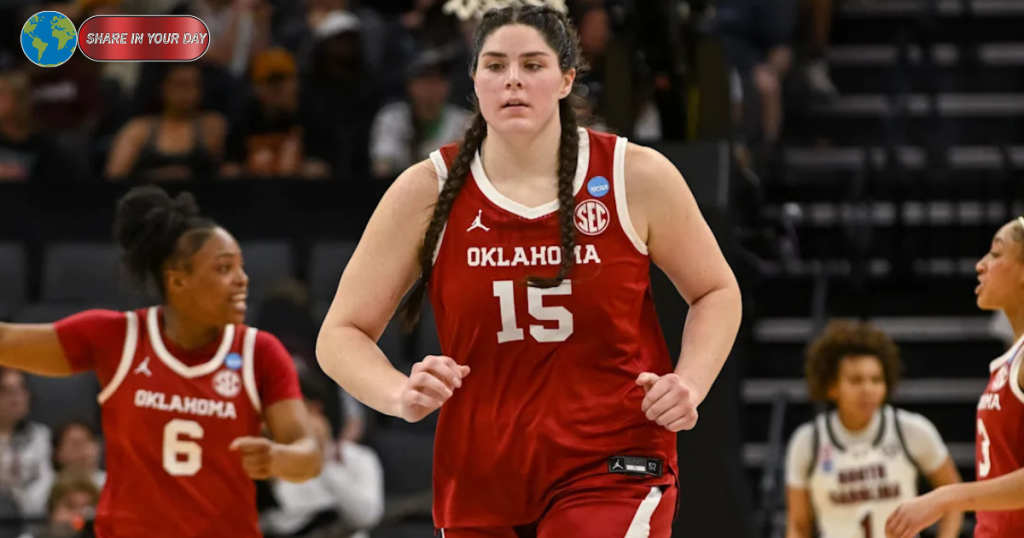
In a draft filled with high-profile selections and headline-making moves, Beers’ absence from the board stood out as both surprising and difficult to justify.
A Dominant College Career Ignored
The Raegan Beers draft snub is particularly shocking when considering her body of work at the collegiate level.
Beers built a reputation as one of the most productive and reliable post players in women’s college basketball. Known for her scoring efficiency, rebounding dominance, and physical presence in the paint, she consistently delivered against top-tier competition.
Her numbers alone should have guaranteed serious consideration.
Yet, despite that production, WNBA teams passed on her entirely.
This raises an important question: how does a player with proven performance at a high level fail to get drafted?
The Modern WNBA Shift in Playing Style
One major factor behind the Raegan Beers draft snub appears to be the evolving style of play in the WNBA.
The league has increasingly shifted toward:
- Perimeter shooting
- Floor spacing
- Versatile forwards and guards
- Faster pace of play
Traditional post players, especially those who operate primarily in the paint, are no longer as highly valued unless they offer additional versatility.
Beers, while dominant inside, may have been viewed as a player whose skill set does not fully align with modern WNBA systems.
However, critics argue that this shift has gone too far.
Are Teams Overthinking Elite Production?
The core argument surrounding the Raegan Beers draft snub is simple: WNBA teams may be overanalyzing potential while undervaluing actual production.
In recent years, scouting trends have leaned heavily toward:
- Athletic upside
- Positional flexibility
- Long-term development potential
While these factors are important, they can sometimes overshadow what players have already proven on the court.
Beers represents the opposite case—a player with undeniable production but perceived limitations in projection.
According to reports, she went undrafted despite a “stellar career at Oklahoma and Oregon State,” highlighting the disconnect between performance and selection.
Comparing Beers to Drafted Prospects
The Raegan Beers draft snub becomes even more puzzling when compared to some of the players who were selected.
Many drafted prospects:
- Have less collegiate production
- Are still developing consistency
- Were chosen based on potential rather than results
This contrast has fueled debate among analysts and fans.
Is it better to draft a proven performer or gamble on upside?
WNBA teams appear to be leaning toward the latter.
The Risk of Ignoring Proven Talent
The consequences of the Raegan Beers draft snub could extend beyond just one player.
History across sports has shown that overlooking productive athletes can backfire. Undrafted players often use the snub as motivation, eventually outperforming expectations and proving teams wrong.
If Beers finds the right opportunity—whether through training camp invites, overseas play, or alternative leagues—she could still carve out a professional career.
And if she succeeds, her draft snub will only look worse in hindsight.
Fan Reaction and Growing Criticism
The reaction to the Raegan Beers draft snub has been swift and intense.
Fans took to social media to express disbelief, with many pointing to her stats and consistency as clear indicators of pro-level readiness.
Common reactions include:
- “How do you not draft this level of production?”
- “Teams are overthinking again.”
- “This will age badly.”
Analysts have echoed similar sentiments, suggesting that Beers was one of the most overlooked players in the entire draft class.
The Bigger Issue in WNBA Draft Evaluation
Beyond Beers herself, the Raegan Beers draft snub highlights a broader issue in talent evaluation.
Modern scouting increasingly prioritizes:
- Fit within specific systems
- Long-term upside
- Physical tools over skill refinement
While these factors are valuable, they can lead to blind spots.
Players who excel in traditional roles may be undervalued, even if their production is undeniable.
This creates a potential inefficiency in the draft process—one that smart teams could exploit in the future.
Opportunities Still Ahead for Beers
Despite the disappointment of the Raegan Beers draft snub, her professional journey is far from over.
Undrafted players often find success through alternative pathways, including:
- WNBA training camp invites
- Overseas professional leagues
- Development leagues or exhibition opportunities
If Beers continues to perform at a high level, she could still earn a roster spot.
In fact, her situation may even provide extra motivation.
Lessons for WNBA Teams Moving Forward
The Raegan Beers draft snub serves as a case study for teams evaluating talent in the modern game.
Key takeaways include:
- Production still matters
- Fit should not outweigh performance entirely
- Overemphasis on projection can lead to mistakes
Teams that strike the right balance between analytics and real-world performance will likely have a competitive advantage.
A Potential Future Steal?
Ironically, the Raegan Beers draft snub could eventually turn into a story of redemption.
If she signs with a team and performs well, she could become one of the biggest “undrafted steals” in recent WNBA history.
These stories are not uncommon in professional sports.
Players overlooked on draft night often go on to prove that talent cannot always be measured by projections alone.
Conclusion: A Decision That Raises Questions
The Raegan Beers draft snub has sparked an important conversation about how WNBA teams evaluate talent.
While the league continues to evolve, the fundamental question remains:
Should proven production ever be overlooked?
For now, Beers remains one of the most surprising omissions of the 2026 draft—a decision that may be scrutinized for years to come.
If she succeeds at the professional level, this moment could be remembered not just as a snub, but as a costly mistake by teams that chose projection over performance.