Trump’s Zelensky Attack and Russia Diesel Deal Spark Backlash at Home and Abroad
President Donald Trump is facing growing criticism from American lawmakers and international allies following his public attacks on Ukrainian President Volodymyr Zelensky and a controversial agreement to obtain diesel fuel from Russia.
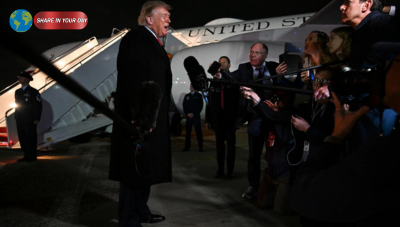
The developments have raised fresh questions about Washington’s commitment to Ukraine as the country continues fighting Russia’s invasion. Critics argue that the agreement could weaken economic pressure on Moscow, provide additional revenue to Russian President Vladimir Putin and undermine efforts to secure a lasting peace.
The controversy intensified after Trump criticized Ukraine’s attacks on Russian oil refineries and suggested that the country needed a new president. European leaders subsequently reaffirmed their support for Zelensky, while lawmakers from both major American political parties questioned the legality and strategic consequences of the administration’s approach.
Trump’s Russia Diesel Deal Draws Bipartisan Opposition
Trump announced the diesel agreement with Putin on October 9, saying Russia would supply fuel to help address rising energy prices. The announcement represented a significant shift from years of American efforts to restrict Russian energy revenues following Moscow’s invasion of Ukraine in 2022.
The president has emphasized reducing fuel costs for American consumers, farmers, ranchers and truckers, presenting energy prices as an important domestic priority ahead of the November midterm elections.
However, critics argue that allowing Russian fuel exports could undermine sanctions intended to limit Moscow’s ability to finance its military campaign.
Republican Sen. Thom Tillis of North Carolina questioned whether the agreement complied with existing laws. Speaking on NBC’s “Meet the Press” on Sunday, Tillis warned that the decision could have serious consequences and raised concerns about whether the president was following congressional requirements.
Other lawmakers have also called on the administration to reconsider the agreement. A bipartisan group of senators argued that the arrangement conflicts with restrictions designed to prevent Russia from benefiting financially while continuing its war against Ukraine.
Representative Brian Fitzpatrick has pledged to pursue legislation banning Russian oil imports, reflecting concerns that the agreement could weaken the broader sanctions framework.
The criticism illustrates the political divisions surrounding Trump’s attempt to balance lower energy prices at home with American commitments to Ukraine and European security.
Trump Says Ukraine Needs a New President
The dispute escalated after Trump publicly criticized Zelensky for continuing Ukrainian attacks against Russian oil refineries.
Trump argued that the strikes were contributing to energy shortages and higher fuel prices. He also accused the Ukrainian leader of obstructing efforts to end the war and said Ukraine should consider replacing its president.
The comments prompted a sharp response from Ukrainian officials, who maintained that Zelensky’s leadership and Ukraine’s military decisions should be determined by the Ukrainian people.
Ukraine’s government has repeatedly argued that attacks on Russian energy infrastructure are intended to weaken Moscow’s ability to finance and sustain its invasion.
Kyiv has also maintained that any agreement to stop attacks on energy facilities must apply to both sides. Ukrainian officials say Russia must halt its own strikes against electricity generation, power transmission networks and other essential infrastructure.
The disagreement highlights a fundamental difference between Washington and Kyiv over how to achieve a ceasefire and what concessions should be required from each side.
For Ukraine, stopping attacks on Russian refineries without securing a corresponding halt to Russian strikes could reduce its leverage while leaving its own infrastructure vulnerable.
Zelensky Receives Support From European Leaders
As tensions with Washington intensified, European leaders moved to reaffirm their support for Zelensky and Ukraine.
Leaders from the European Union, France, Britain, Poland, Finland and Norway held conversations with the Ukrainian president over the weekend. Their messages emphasized solidarity with Ukraine and continued opposition to Russian aggression.
Polish Prime Minister Donald Tusk publicly expressed confidence in Ukraine’s determination to defend itself, reinforcing Warsaw’s position that Kyiv should not be pressured into accepting an unfavorable settlement.
European governments have spent years coordinating sanctions against Russia and providing financial, military and humanitarian assistance to Ukraine. Trump’s decision to pursue a diesel arrangement with Moscow has therefore raised concerns about the future direction of transatlantic cooperation.
The disagreement also complicates diplomatic efforts to establish common conditions for ending the war.
European officials have emphasized the importance of maintaining pressure on Russia while seeking a settlement that provides Ukraine with meaningful security guarantees. The latest dispute raises questions about whether Washington and its European partners can maintain a unified approach.
Trump Announces an Energy Ceasefire
The controversy grew further on Sunday when Trump announced an immediate energy ceasefire between Russia and Ukraine.
In a social media statement, the president said both countries had agreed to stop attacks on energy infrastructure. However, he provided few details about the arrangement, and it was not immediately clear whether Moscow and Kyiv had formally accepted the same conditions.
Zelensky said the announcement had come as a surprise to Ukraine. He indicated that Kyiv was prepared to support a reciprocal halt to attacks if Russia agreed to the same terms.
The Ukrainian president also stressed that any arrangement needed practical guarantees rather than an announcement alone.
Meanwhile, reports of continued Russian attacks raised doubts about whether a meaningful ceasefire was already in effect. Zelensky said Russian drones and airstrikes continued targeting Ukrainian infrastructure, including facilities in the eastern city of Kharkiv.
The conflicting accounts underscore the difficulty of establishing a ceasefire without clear terms, verification procedures and commitments from both sides.
Energy Prices and Sanctions Complicate Peace Efforts
The dispute reflects the growing importance of energy markets in the war and in American domestic politics.
Trump has argued that increasing the availability of diesel could ease pressure on consumers and businesses facing elevated fuel costs. Yet critics question whether Russian supplies would significantly reduce prices and whether the potential economic benefits would justify relaxing restrictions on Moscow.
The agreement also raises questions about the future of American sanctions policy. Congress has supported measures intended to restrict Russian energy revenues, making any significant policy reversal a potential source of legal and political conflict.
For Ukraine, the financial consequences could be particularly significant. Kyiv argues that Russian energy revenues help sustain the invasion and that restrictions on those earnings remain an important instrument for limiting Moscow’s military capacity.
A Growing Test for U.S.-Ukraine Relations
The latest dispute has exposed increasingly visible tensions between Trump and Zelensky as Washington seeks an end to the war.
The president’s criticism of Ukraine, his agreement with Putin and his announcement of an energy ceasefire have prompted concerns among American lawmakers and European allies about the direction of U.S. policy.
The immediate questions are whether the diesel arrangement will proceed as announced, whether the proposed ceasefire will produce a verifiable reduction in attacks and whether Washington can reconcile its energy objectives with its commitments to Ukraine.
For Kyiv, continued support from European partners may prove increasingly important as it navigates uncertainty over American policy. For the Trump administration, the challenge is to demonstrate that its approach can address domestic energy concerns without undermining negotiations or weakening international efforts to constrain Russia.
The outcome could shape not only the next phase of the war but also the future of cooperation between the United States, Ukraine and its European allies.