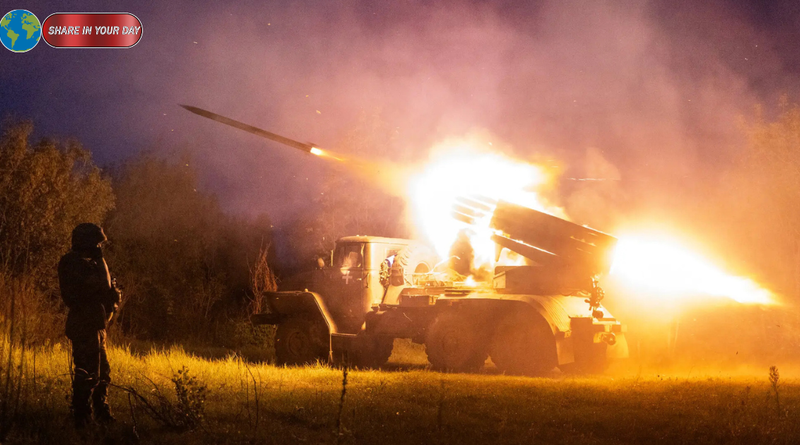
Ukraine Military Spending Audit Reveals $1.2B Loss
A new Ukraine military spending audit has exposed serious weaknesses in the country’s wartime weapons procurement system, including inflated prices, failed deliveries and contracts awarded to companies with previous records of default or alleged corruption.
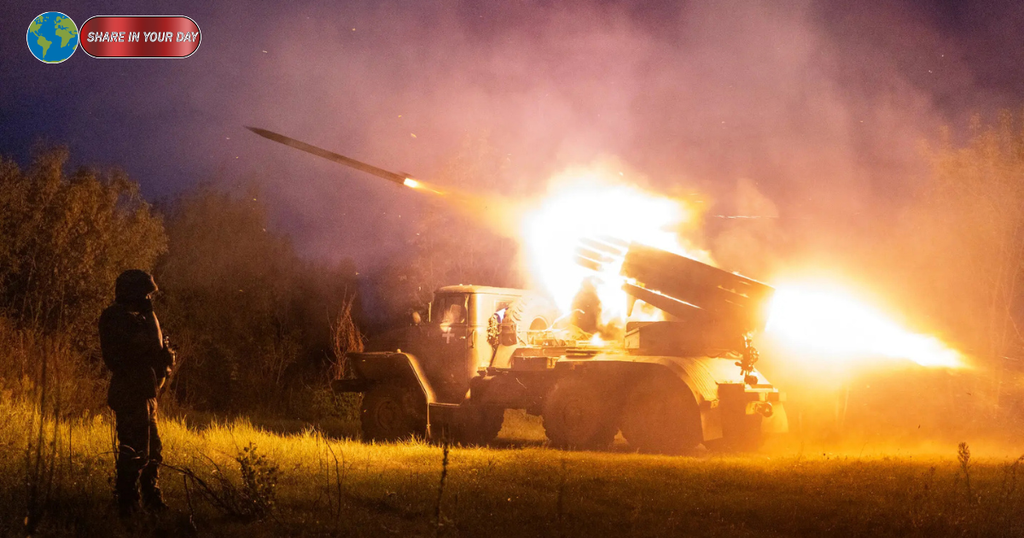
The audits, covering 2024 and 2025, provide an unusually detailed look at how Ukraine spent money on weapons and ammunition during its war with Russia. According to reporting based on confidential Ukrainian government audits, the country lost about $1.2 billion in 2024 alone through fraud, waste and mismanagement. TThe New York Times+1
The findings come at a particularly sensitive moment for Kyiv. Ukraine continues to depend heavily on military assistance and domestic defense spending while fighting a prolonged war against Russia.
The audit findings therefore raise more than questions about individual contracts. They also highlight the broader challenge of ensuring that scarce military resources are converted into weapons, ammunition and equipment as efficiently as possible.
Ukraine Military Spending Audit Finds Repeated Procurement Problems
The Ukraine military spending audit examined procurement practices within the country’s defense establishment and identified recurring problems rather than isolated mistakes.
Among the central concerns were purchases made through intermediaries despite potentially cheaper direct offers from manufacturers. Auditors also identified contracts awarded to companies that had previously failed to deliver equipment or had faced investigations involving corruption.
The findings suggest that procurement officials sometimes continued doing business with suppliers despite warning signs that would normally trigger additional scrutiny.
In one case, auditors identified a group of 18 companies that had defaulted on previous agreements but continued receiving contracts. Six of those companies had reportedly failed to fulfill even a single contract. TThe New York Times
That pattern is particularly significant during wartime.
A procurement failure in peacetime can create a financial loss. During an active war, the consequences can extend to battlefield readiness.
$1.2 Billion Lost Through Waste and Mismanagement
The most striking figure in the audit findings is the estimated $1.2 billion lost in 2024 through fraud, waste and mismanagement.
The figure represents money that could otherwise have supported Ukraine’s military at a time when ammunition, air defense systems, drones and other equipment remain critical to the country’s defense.
The audits also identified approximately $126 million in losses associated with bypassing lower bids and paying more than necessary for weapons, according to the reporting. TThe New York Times
The financial impact illustrates why procurement transparency has become such an important part of Ukraine’s broader defense strategy.
Ukraine does not have unlimited resources. Every dollar spent inefficiently can mean fewer resources available for military operations or reconstruction.
Weapons Were Sometimes Purchased Through Costly Intermediaries
One of the clearest examples involved rocket artillery ammunition.
According to the audit findings, Ukraine received competing offers for rockets manufactured at the same Turkish facility. The reported prices varied significantly, yet the contract went to an intermediary offering the highest price rather than directly to the manufacturer offering a lower price. TThe New York Times
The arrangement reportedly increased Ukraine’s cost by roughly $130 million.
The audit found no adequate justification for choosing the more expensive intermediary.
The issue is not simply the additional expense. Intermediaries can sometimes play a legitimate role in international arms transactions, especially when sanctions, export controls, financing arrangements or diplomatic restrictions complicate direct purchases.
However, when an intermediary adds a substantial markup without providing a clear operational advantage, the arrangement can place an unnecessary burden on the purchasing government.
For Ukraine, those additional costs matter because military procurement is taking place under extraordinary financial pressure.
Failed Suppliers Continued to Receive Contracts
Another major concern identified by auditors was the continued use of suppliers that had already demonstrated problems.
The investigation found that seven of Ukraine’s 10 largest military contractors had received new business despite issues involving failed contracts, criminal investigations or other warning signs. TThe New York Times
In one reported case, a company failed to deliver hundreds of specialized drones under an earlier agreement but later received another contract for a much larger number.
Only a small portion of the subsequent order was reportedly delivered on time.
Such cases raise questions about the effectiveness of Ukraine’s supplier-screening and contract-enforcement systems.
A functioning procurement system should generally reward companies that deliver reliably while imposing meaningful consequences on suppliers that repeatedly fail.
The audits suggest that this principle was not consistently applied.
Defective Ammunition Created Battlefield Risks
The procurement problems were not limited to financial losses.
The audits also documented cases involving defective or insufficiently tested ammunition.
One particularly serious example involved mortar rounds supplied to Ukrainian forces. Faulty ammunition reportedly failed to perform as expected, while the company involved continued receiving additional military business. TThe New York Times
The consequences of defective ammunition can be severe.
Unlike an ordinary commercial product, military equipment is used under conditions where failure can directly endanger personnel and compromise an operation.
The reported problems therefore underline the importance of quality control alongside price competition.
A low-cost weapon that cannot be safely or reliably used may ultimately be more expensive than a properly tested alternative.
Procurement Failures Put Pressure on Ukraine’s War Effort
The findings also illustrate the connection between corruption, procurement efficiency and battlefield capacity.
Ukraine has spent enormous amounts on its defense since Russia launched its full-scale invasion. At the same time, Kyiv has relied on financial and military assistance from allies in Europe, North America and elsewhere.
That makes accountability increasingly important.
International partners want their assistance to reach the Ukrainian military efficiently. Domestic taxpayers also expect defense resources to be used responsibly.
Waste in military procurement can therefore have consequences beyond Ukraine’s national budget.
It can affect public confidence among allies and potentially complicate future requests for assistance.
Ukraine’s Defense Procurement System Faces a Difficult Balancing Act
There is another complication.
Ukraine must purchase weapons quickly while operating in wartime conditions.
Traditional procurement systems often rely on lengthy bidding procedures, extensive verification and multiple layers of oversight. Wartime conditions can make those processes difficult to maintain.
The government may need ammunition within weeks rather than months.
That urgency can create pressure to work with established intermediaries or suppliers capable of moving quickly.
However, speed does not eliminate the need for accountability.
The challenge for Ukrainian officials is to develop a system that can make rapid purchases while still verifying prices, production capacity, licenses, quality and previous contract performance.
The audit findings indicate that this balance has not always been achieved.
Corruption Concerns Extend Beyond Individual Companies
The findings also raise broader questions about institutional accountability.
A procurement system can contain corrupt individuals, but repeated problems across multiple contracts may point to structural weaknesses.
If a company fails to deliver and still receives another contract, the question is not only why that company was willing to accept another deal. It is also why the government considered the supplier eligible.
Similarly, if a cheaper offer is available but a more expensive intermediary receives the contract, oversight mechanisms should be able to explain the decision.
The absence of clear explanations can create opportunities for abuse.
For Ukraine, strengthening those systems is particularly important because the country’s defense spending is likely to remain substantial while the war continues.
Reform Could Help Protect Future Defense Spending
The audit findings could also provide a roadmap for reform.
Ukraine could strengthen several areas of procurement, including:
- More rigorous checks on suppliers before contracts are awarded.
- Stronger penalties for companies that repeatedly fail to deliver.
- Greater transparency around intermediary fees and markups.
- Independent verification of weapons and ammunition before battlefield deployment.
- Better monitoring of advance payments.
- Stronger conflict-of-interest safeguards.
- More consistent publication of procurement information when operational security allows.
These reforms would not eliminate every procurement problem.
Military purchasing is inherently complex, particularly during a war.
But stronger controls could reduce the likelihood that repeated failures become normalized.
Ukraine’s Allies Are Watching Procurement Closely
The issue also matters internationally.
Ukraine’s military has received extensive support from Western governments throughout the war. Donor countries have their own political constituencies and oversight systems, making accountability over military spending an important part of continued support.
The latest findings could therefore increase pressure on Kyiv to demonstrate that defense reforms are producing measurable results.
At the same time, it is important to distinguish between evidence of procurement failures and claims that all Ukrainian defense spending is corrupt.
The audits identify specific examples of waste, mismanagement and questionable contracting. They do not establish that every military supplier or government procurement official has acted improperly.
That distinction matters when evaluating the broader picture.
The $1.2 Billion Figure Shows Why Reform Matters
The reported $1.2 billion loss is significant not only because of its size but because of what the money represents.
During a major war, procurement budgets are directly connected to national security.
A billion dollars lost through inefficient purchasing represents resources that could have funded additional ammunition, protective equipment, drones, vehicles or other military requirements.
It also means that Ukrainian officials must spend additional time and money correcting failures that should ideally have been prevented.
The audits therefore present procurement reform as a strategic issue rather than simply an administrative one.
What the Ukraine Military Spending Audit Means
The Ukraine military spending audit provides a rare window into the financial challenges surrounding Ukraine’s wartime defense procurement.
Its findings point to recurring problems involving overpriced weapons, intermediaries, unreliable suppliers and inadequate enforcement of previous contract failures. The reported $1.2 billion in losses during 2024 demonstrates the potential scale of the problem. TThe New York Times+1
Yet the findings also offer Ukraine an opportunity.
Detailed audits can help identify weaknesses that might otherwise remain hidden. If Ukrainian authorities use that information to strengthen supplier screening, improve contract enforcement and increase transparency, future defense spending could become more effective.
That will be increasingly important as the war continues.
Ukraine needs weapons and ammunition urgently, but it also needs every available resource to produce maximum military value.
The central lesson from the audits is therefore straightforward: wartime urgency cannot come at the expense of procurement discipline.
As Kyiv continues to seek weapons, funding and political support from its allies, the credibility of its defense-spending system will remain an important part of that effort.
Final Takeaway
The latest audit findings expose serious weaknesses in Ukraine’s military procurement system, including repeated contracting with unreliable suppliers and purchases that reportedly cost far more than available alternatives.
The estimated $1.2 billion lost in 2024 highlights the financial stakes. More importantly, the findings show how procurement failures can affect military readiness when defective equipment, delayed deliveries and unnecessary costs consume resources needed for the war effort.
For Ukraine, reforming military procurement is not simply a matter of improving government administration.
It is part of the country’s broader effort to sustain its defense, maintain the confidence of international partners and ensure that limited resources reach the battlefield as effectively as possible.
External source: The New York Times source article
Internal link placeholder: [Link to your website's Ukraine/Russia war coverage]
Image ALT Text
Ukraine military spending audit reveals problems in wartime weapons procurement
Suggested image: use a licensed editorial photograph of Ukrainian soldiers, military equipment or a weapons-procurement setting rather than reproducing the New York Times webpage or its headline. The supplied article itself features Ukrainian military imagery, but the image should be independently licensed for your site.