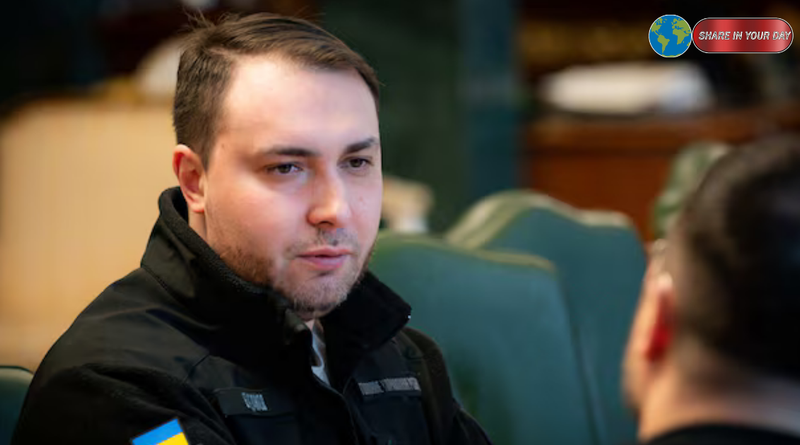
Ukraine Russia Peace Talks Could Enter a New Phase
The Ukraine Russia peace talks process could move into a new phase soon, with a senior Ukrainian official saying technical discussions may take place in the near future. However, the comments come with an important warning: the talks are not expected to produce an immediate breakthrough or end the war.
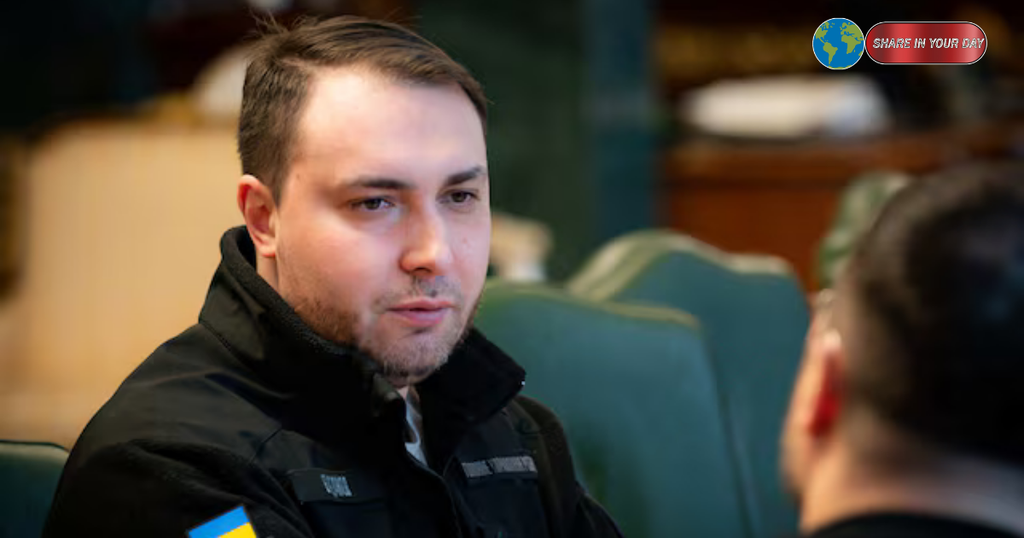
Kyrylo Budanov, Ukraine’s top presidential adviser, said technical talks could begin shortly as efforts continue to establish a path toward broader negotiations with Russia.
The development offers a potential diplomatic opening after previous U.S.-backed efforts failed to deliver a lasting settlement. Yet major disagreements remain, particularly over territory in eastern Ukraine and the conditions Moscow wants Kyiv to accept.
Budanov also expressed skepticism that the war could end before winter, suggesting that expectations for a rapid peace agreement should remain limited.
The comments are significant because they suggest that diplomacy may be restarting at a technical level even while the broader political negotiations remain stalled.
1. Technical Talks Could Come First
The most important development is the possibility of technical discussions between the parties.
These talks would not necessarily represent a full peace negotiation. Instead, they could focus on practical issues and preparations for more substantive discussions later.
That distinction is crucial.
A technical meeting can help establish communication channels, identify areas of potential agreement and prepare the groundwork for higher-level negotiations. But it does not automatically mean that Russia and Ukraine are close to signing a peace agreement.
Budanov’s comments suggest precisely this kind of cautious approach.
The Ukrainian official indicated that talks could occur soon while warning that expectations should remain realistic. The objective would be to prepare the conditions for more meaningful negotiations rather than immediately resolve the central disputes of the war.
For Ukraine, this approach could provide a way to continue diplomatic engagement without abandoning its existing negotiating position.
For Russia, technical discussions could provide another channel for communication with Ukraine and the United States.
However, the key question will be whether those discussions eventually develop into direct political negotiations.
2. The Donbas Remains the Biggest Obstacle
One of the most difficult issues in the Ukraine Russia peace talks remains the future of the Donbas.
Russia has demanded that Ukraine withdraw from parts of the eastern Donbas region that Moscow claims, even though Russian forces do not fully control all of the territory.
Ukraine has rejected the demand and maintains that it will not voluntarily surrender territory that remains under its control.
That creates a fundamental disagreement.
For Moscow, territorial control and recognition appear central to any settlement. For Kyiv, giving up territory under Russian pressure would carry major security and political consequences.
The issue is therefore much larger than the boundaries of a single region.
It concerns the principles that would govern any eventual peace agreement.
If Ukraine accepted territorial concessions without strong security guarantees, Kyiv could face concerns that Russia might use a future pause to rebuild its military capabilities and resume hostilities.
At the same time, Russia has shown little indication that it is prepared to abandon its territorial demands.
This is why technical discussions can begin while a comprehensive peace agreement remains far away.
3. Ukraine Does Not Expect an Immediate End to the War
Despite renewed diplomatic activity, Kyiv does not appear to believe that the conflict is about to end.
Budanov said he was skeptical that the war could be concluded before winter.
That assessment is important because the conflict has now entered its fifth year, while both sides continue to attack strategic infrastructure.
The approaching winter could become particularly difficult for Ukraine.
Russia has previously targeted Ukraine’s energy infrastructure, and Ukrainian officials expect Moscow to intensify attacks on the country’s power grid as colder weather approaches.
That could create additional pressure on the Ukrainian government and civilian population.
At the same time, Ukraine has continued striking targets inside Russia, including infrastructure connected to the country’s energy sector.
Reuters recently reported that Ukrainian drone attacks had contributed to a major decline in Russian gasoline production, with output falling to around 70% of domestic demand late in August.
The energy battle therefore remains closely connected to the diplomatic struggle.
Both sides are attempting to strengthen their position before any serious negotiations begin.
4. Russia Has Not Fully Committed to New Negotiations
Another major obstacle is the lack of a clear Russian commitment to a new round of substantive negotiations.
Budanov said Russia remains noncommittal about negotiations.
That uncertainty has limited expectations surrounding the latest diplomatic signals.
Moscow has previously said it remains open to proposals for resolving the conflict, but Russian officials have also insisted that any settlement must reflect what they describe as the realities on the ground.
Russian Deputy Foreign Minister Sergei Ryabkov said earlier this month that Moscow was willing to listen to new proposals, while emphasizing Russia’s existing position on the conflict.
This creates a difficult diplomatic environment.
Both sides can say they are open to talks while maintaining positions that make a compromise extremely difficult.
The distinction between being willing to talk and being willing to compromise is therefore becoming increasingly important.
For negotiations to produce results, the parties would eventually need to move closer together on territory, security guarantees and the future political relationship between Ukraine and Russia.
So far, that movement has been limited.
5. U.S. Involvement Remains Important
The United States continues to play a significant role in attempts to end the war.
Previous U.S.-backed negotiations produced meetings between Russian and Ukrainian representatives, but tangible progress has remained limited.
The last trilateral negotiations involving the United States, Ukraine and Russia took place in February, according to Reuters.
Since then, the diplomatic process has faced repeated obstacles.
Washington’s role remains important because the United States is one of Ukraine’s most important military and diplomatic partners.
At the same time, President Donald Trump has maintained pressure for an end to the conflict while pursuing broader diplomatic engagement with Moscow.
Ukraine also recently said that Washington had provided Kyiv with information about meetings that took place in Moscow.
President Volodymyr Zelenskyy said Ukraine appreciated the communication from the United States, although details about the meetings were not publicly disclosed.
That development suggests that communication between Washington and Kyiv remains active even as the wider diplomatic picture continues to evolve.
Why Technical Talks Matter
It may be tempting to dismiss technical discussions as a minor development.
They are not necessarily insignificant.
Peace agreements rarely appear suddenly. They are usually preceded by months of informal contacts, technical negotiations and attempts to narrow disagreements.
Technical talks can establish practical mechanisms for communication.
They can also identify areas where limited cooperation may be possible.
For example, discussions could eventually involve humanitarian issues, infrastructure, prisoners, ceasefire arrangements or procedures for future negotiations.
Even if they do not produce an immediate political settlement, they can help prevent the diplomatic process from collapsing entirely.
That could become particularly important as the war approaches another winter.
The Battlefield Still Shapes the Diplomacy
The future of the Ukraine Russia peace talks will ultimately depend partly on developments on the battlefield.
Neither side wants to enter negotiations from a position of severe weakness.
Russia is continuing military operations and has intensified attacks on Ukrainian infrastructure.
Ukraine, meanwhile, is using long-range strikes to target Russian military and energy assets.
President Zelenskyy has argued that Ukraine’s ability to strike targets inside Russia strengthens Kyiv’s position at the negotiating table.
Earlier this year, Zelenskyy said Ukrainian strikes allowed Kyiv to negotiate on more equal terms with Moscow.
That logic explains why both countries continue military operations even while discussing diplomacy.
Military pressure and negotiations are happening simultaneously.
Each side hopes that battlefield developments will improve its eventual bargaining position.
Winter Could Become a Major Turning Point
The coming winter could play a decisive role in the conflict.
Ukraine faces the challenge of protecting its power infrastructure from Russian attacks.
Russia is dealing with the effects of Ukrainian strikes against energy facilities and other strategic targets.
Both countries are therefore preparing for another difficult period.
For Ukraine, keeping electricity and heating systems functioning will be a major priority.
For Russia, maintaining fuel supplies and preventing further disruptions to its energy sector will also be important.
Reuters reported that Russian gasoline production had fallen sharply in late August after drone attacks damaged or disrupted several refineries. Regional authorities have responded with measures including restrictions on fuel purchases.
The economic consequences could eventually affect the calculations of both governments.
However, there is no guarantee that economic pressure will lead directly to peace.
Governments often tolerate significant costs when leaders believe the strategic objectives of a war are more important.
What Would a Real Breakthrough Look Like?
A genuine breakthrough in the Ukraine Russia peace talks would require more than another technical meeting.
Several developments would likely be necessary.
First, Russia and Ukraine would need to agree on a framework for direct political negotiations.
Second, both sides would need to identify compromises on territory.
Third, Ukraine would likely seek strong security guarantees designed to prevent another invasion.
Fourth, Russia would need assurances concerning the broader European security environment and its relationship with Ukraine.
Finally, any agreement would need mechanisms for monitoring and enforcement.
These are extremely complicated issues.
A ceasefire alone would not necessarily resolve them.
A temporary pause in fighting could reduce casualties but leave the underlying conflict unresolved.
That is why the distinction between a ceasefire and a durable peace settlement remains essential.
Ukraine’s Position Remains Firm
Kyiv’s position on territorial concessions has remained one of the clearest elements of the negotiations.
Ukraine says it will not voluntarily surrender territory that it still controls.
That position is politically significant because President Zelenskyy would face major domestic challenges if he agreed to substantial territorial concessions without corresponding security guarantees.
The Ukrainian government also has to consider the views of its military, parliament and population.
Any agreement perceived as surrender could face strong opposition.
At the same time, continued war carries enormous human and economic costs.
That creates a difficult strategic calculation for Kyiv.
The government must balance the goal of defending Ukrainian territory with the possibility that prolonged fighting could create additional risks.
Russia’s Position Is Equally Difficult to Bridge
Moscow’s position presents another major obstacle.
Russia has demanded Ukrainian withdrawal from parts of the Donbas and has continued to emphasize territorial and security concerns.
Those demands conflict directly with Kyiv’s position.
Until there is movement from at least one side, a comprehensive agreement will remain difficult.
This is why the expected technical discussions are best viewed as a potential opening rather than evidence that a peace deal is imminent.
The talks could create momentum.
They could also end without meaningful progress.
Much will depend on whether the two sides are willing to move beyond established positions.
A Long Road Toward Peace
The latest developments provide a cautious reason for optimism, but not enough evidence to declare a breakthrough.
The possibility of technical talks shows that diplomatic channels remain open.
That matters after months of stalled negotiations.
However, the central issues that caused previous efforts to fail remain unresolved.
Territory remains disputed.
Security guarantees remain controversial.
Russia’s negotiating position has not fundamentally changed.
Ukraine remains opposed to surrendering territory it controls.
And military operations continue.
The approaching winter could add another layer of pressure as both sides prepare for attacks against critical infrastructure.
What Comes Next?
The next stage of the Ukraine Russia peace talks will likely focus on whether technical discussions actually take place and whether they can lead to broader negotiations.
If those meetings occur, the key question will be what subjects are placed on the table.
If the discussions remain limited to procedural issues, expectations for a near-term settlement should remain low.
If the talks begin addressing territory, security guarantees and ceasefire arrangements, they could signal a more meaningful shift.
For now, however, Ukrainian officials are urging caution.
The war remains active, Russia has not fully committed to a new negotiating process, and both governments continue trying to improve their positions through military and economic pressure.
That means diplomacy and warfare will likely continue side by side.
The emergence of technical talks could become the first step toward a larger peace process.
But for Ukraine and Russia, the hardest negotiations are still ahead.
Image ALT Text
Ukraine Russia peace talks could resume as Kyiv and Moscow consider technical negotiations
Suggested Image
Use a licensed editorial photograph of Ukrainian President Volodymyr Zelenskyy during diplomatic meetings, or an official image of Ukrainian and Russian delegations from previous negotiations. A current Kyiv diplomatic image would best match the article’s focus.
External Sources
- Reuters — Original report on expected technical talks.
- Reuters — Russia’s position on new Ukraine peace proposals.
- Reuters — Zelenskyy on Ukraine’s negotiating position.
- Reuters — Recent U.S.-Ukraine communication concerning Moscow meetings.
Internal Link Recommendations
Because no target domain was supplied, actual internal URLs should not be fabricated. Recommended internal-link topics are:
- Russia Ukraine War
- Ukraine War News
- Volodymyr Zelenskyy
- Russia Peace Talks
- Ukraine Peace Negotiations
- Donbas Conflict
- NATO and Ukraine
- Latest World News