Wildfire Smoke Cancer Risk Raises Global Health Alarm
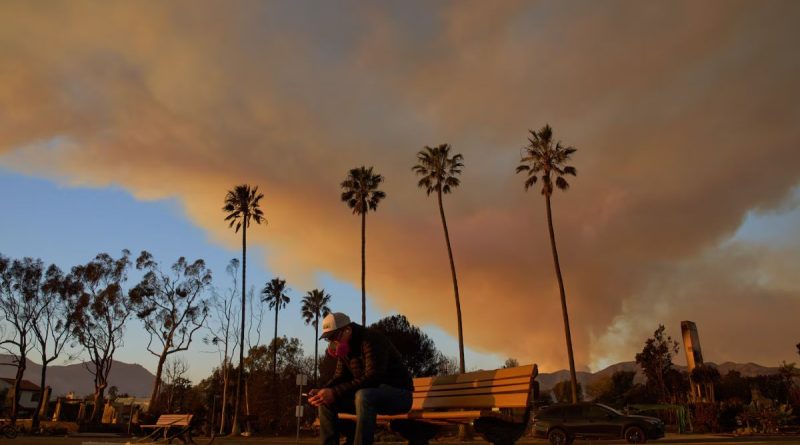
The growing wildfire smoke cancer risk is becoming one of the most urgent public health concerns worldwide, according to a new study presented at a major cancer research conference. Scientists now warn that prolonged exposure to wildfire smoke may significantly increase the risk of several types of cancer, adding a troubling dimension to the already devastating impacts of climate change.
The research, highlighted by The Washington Post, suggests that long-term exposure to smoke from wildfires could be linked to cancers affecting the lungs, breast, bladder, blood, and colon. These findings underscore the need for stronger public health strategies as wildfires grow more frequent and intense.
Study Links Smoke Exposure to Multiple Cancers
The study analyzed health data from more than 91,000 individuals over an extended period, offering one of the most comprehensive looks yet at the wildfire smoke cancer risk. Researchers found that individuals exposed to higher levels of wildfire smoke over a three-year period faced significantly increased cancer risks.
Among the most concerning findings:
- Increased risk of lung cancer, a known outcome of inhaling toxic particles
- Elevated chances of breast and colorectal cancers
- A striking rise in bladder cancer risk, with some estimates showing a 249% increase
- Potential links to blood cancers, indicating systemic effects beyond the lungs
Although the study has not yet been peer-reviewed, experts say the findings align with existing evidence on the dangers of air pollution.
The Role of PM2.5: A Hidden Killer
At the center of the wildfire smoke cancer risk is a microscopic pollutant known as PM2.5—fine particulate matter small enough to penetrate deep into the lungs and even enter the bloodstream.
These particles are produced when organic materials, homes, vehicles, and industrial products burn during wildfires. Once inhaled, PM2.5 can:
- Trigger chronic inflammation
- Damage DNA
- Disrupt cellular processes
Even small increases in exposure can have dramatic effects. According to the study, a rise of just one microgram in PM2.5 exposure over several years could significantly increase cancer risks.
Why Wildfire Smoke Is More Dangerous Than Typical Pollution
Not all air pollution is created equal. Researchers emphasize that wildfire smoke may be particularly harmful because of its complex chemical composition.
Unlike standard urban pollution, wildfire smoke often contains:
- Heavy metals
- Carcinogenic chemicals like benzene
- Residues from burned plastics and electronics
These toxic compounds can travel thousands of miles, affecting populations far from the original fire zones.
Additionally, smoke from urban wildfires—where homes and infrastructure burn—can release even more hazardous substances compared to forest fires alone.
Climate Change Is Making the Problem Worse
The rise in wildfire smoke cancer risk is closely tied to climate change, which is increasing both the frequency and intensity of wildfires.
Longer fire seasons and drier conditions have already led to:
- More widespread smoke exposure
- Higher concentrations of toxic particles
- Greater long-term health risks
Experts warn that wildfire smoke could become a leading environmental cause of cancer in the future if current trends continue.
In fact, previous studies have already linked wildfire smoke to:
- Premature deaths
- Cardiovascular disease
- Neurological conditions such as dementia
Short-Term vs Long-Term Health Effects
The health dangers of wildfire smoke extend beyond immediate symptoms. While short-term exposure can cause:
- Coughing and throat irritation
- Breathing difficulties
- Asthma flare-ups
Long-term exposure is far more concerning.
Over time, repeated inhalation of toxic particles may:
- Increase cancer risk
- Damage the cardiovascular system
- Affect brain health
Scientists emphasize that even people who appear healthy can be affected, especially if exposure occurs repeatedly over several years.
A Shift in Cancer Risk Factors
One of the most striking implications of the study is how it reshapes our understanding of cancer risk.
Traditionally, smoking has been the leading cause of many cancers. However, as smoking rates decline, environmental factors like air pollution—and specifically wildfire smoke—may play a larger role.
Researchers suggest that wildfire smoke could become a major driver of cancer incidence in the coming decades, especially in regions frequently affected by fires.
Global Implications Beyond the United States
Although the study focused primarily on U.S. data, the implications of the wildfire smoke cancer risk are global.
Countries experiencing rising wildfire activity—such as:
- Canada
- Australia
- Indonesia
- Mediterranean nations
may face similar public health challenges.
Because smoke can travel across borders, no region is entirely immune. This makes wildfire smoke not just a local issue, but a global environmental and health crisis.
What Experts Recommend
In light of the growing wildfire smoke cancer risk, health experts recommend several steps to reduce exposure:
1. Monitor Air Quality
Use reliable air quality indexes to track pollution levels and avoid outdoor activities during high-risk periods.
2. Use Protective Equipment
High-quality masks such as N95 respirators can significantly reduce inhalation of harmful particles.
3. Improve Indoor Air Quality
Air purifiers and proper ventilation systems can help reduce indoor pollution levels.
4. Limit Outdoor Exposure
Especially during wildfire events, staying indoors can dramatically lower risk.
Internal Link
Explore more environmental health insights:
👉 https://yourwebsite.com/climate-health-impact
External Sources
- The Washington Post report on wildfire smoke cancer risk
- Cancer research findings presented at AACR conference
- Supporting studies on pollution and health impacts
Conclusion
The emerging evidence on wildfire smoke cancer risk signals a critical turning point in how we understand environmental health threats.
As wildfires become more frequent and intense, their impact is no longer limited to immediate destruction. Instead, the long-term health consequences—particularly the increased risk of cancer—are becoming impossible to ignore.
This study serves as a wake-up call for policymakers, healthcare systems, and individuals alike. Addressing wildfire smoke exposure is no longer optional—it is essential for protecting public health in an era defined by climate change.