Trump Says Russia and Ukraine Agreed to Energy Truce
President Donald Trump has pushed for a limited Russia-Ukraine energy truce, saying the two sides had agreed to stop attacking each other’s energy infrastructure. The announcement raised hopes of a possible step toward reducing one of the most damaging aspects of the war, but questions quickly emerged over whether Moscow and Kyiv had actually reached a formal agreement.
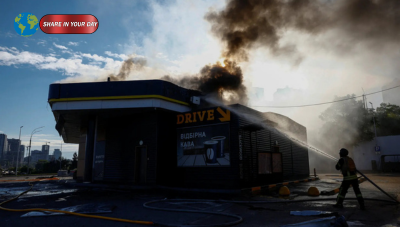
Trump said Ukraine had agreed not to attack Russian energy targets and that Russia had agreed to do the same. His announcement came as global fuel markets faced growing pressure and as Ukrainian attacks on Russian oil facilities became an increasingly important issue in discussions over energy supplies.
However, Ukrainian officials indicated that the situation was more complicated. President Volodymyr Zelenskyy said Ukraine would be prepared to stop its attacks if international partners could ensure that Russia genuinely halted strikes against Ukraine’s electricity network, energy facilities and other critical infrastructure.
The difference between Trump’s announcement and Kyiv’s description of the situation immediately raised doubts about whether an operational ceasefire was already in place.
Russia Welcomes the Proposal but Adds Conditions
The Kremlin responded more cautiously than Trump. Russian officials welcomed the idea of a moratorium on attacks against energy infrastructure but also raised additional demands involving Russian energy exports and Western sanctions.
Kremlin spokesman Dmitry Peskov said the proposal was worth considering, while Moscow argued that the security of Russian seaborne energy exports also needed to be addressed. Russia has repeatedly called for the removal of Western sanctions that have restricted parts of its energy trade.
That position suggests Moscow may view an energy truce as part of a broader economic and diplomatic negotiation rather than simply a military arrangement designed to protect power stations, refineries and fuel facilities.
For Kyiv, however, the immediate concern is the protection of Ukrainian civilians and critical infrastructure. Russia has repeatedly targeted Ukraine’s energy system during the war, while Ukraine has increasingly used long-range drones to strike Russian refineries and other facilities that support Moscow’s military campaign.
Energy Infrastructure Has Become a Major Battlefield
Energy facilities have become one of the most strategically important targets in the Russia-Ukraine war.
Russia has used attacks on Ukrainian electricity and energy infrastructure to place pressure on the Ukrainian economy and civilian population. Ukraine, meanwhile, has expanded its attacks deep inside Russian territory, targeting oil refineries and fuel infrastructure.
Kyiv argues that strikes on Russian energy facilities can reduce Moscow’s ability to finance and supply its war effort. Ukrainian attacks have damaged a significant amount of Russian refining capacity, contributing to fuel shortages and tighter domestic supplies.
Russia responded with restrictions on fuel exports, while disruptions elsewhere in the world have added further pressure to international diesel markets. Analysts have cautioned that the global fuel situation cannot be attributed entirely to the Ukraine war, particularly because the continuing conflict in the Middle East has disrupted major energy routes.
Diesel Prices Add Pressure to Trump’s Proposal
Fuel prices have become a major political issue in the United States, giving the proposed energy truce an economic dimension beyond the battlefield.
Trump has argued that Ukrainian attacks on Russian refineries are contributing significantly to the rise in diesel prices. During remarks in Ireland, he urged Zelenskyy to stop targeting Russian diesel-producing infrastructure.
Trump has also disputed the argument that the Middle East conflict is primarily responsible for the global diesel surge. His comments came as energy markets were already facing major disruptions linked to the war involving Iran and the continuing problems surrounding key shipping routes.
Market analysts, however, have pointed to several factors behind higher diesel prices, including refinery outages, reduced inventories, seasonal demand and disruptions in global oil and fuel transportation.
Strikes Continued Despite the Truce Claims
The most significant challenge facing the proposed Russia-Ukraine energy truce is that military attacks did not immediately stop.
On Tuesday, Russian forces continued launching drones against Ukrainian targets, with damage reported at fuel stations and other infrastructure. Ukraine also continued striking Russian facilities, including an oil refinery.
The continuing attacks demonstrated the gap between political statements and events on the ground. Even as Washington promoted a possible agreement, neither Moscow nor Kyiv appeared ready to fully suspend operations without additional guarantees.
Zelenskyy has said Ukraine could reciprocate if Russia genuinely stops attacking Ukrainian energy infrastructure. But Kyiv wants assurances that any pause would be reliable and long-lasting rather than a temporary arrangement that could collapse after a short period.
Could an Energy Truce Lead to Broader Peace Talks?
The proposed energy truce could nevertheless become an important diplomatic test.
A limited agreement protecting energy infrastructure would not end the war, but it could create a channel for negotiations between Russia and Ukraine. Hospitals, homes, electricity networks, refineries and fuel supplies are among the civilian and economic assets most directly affected by continued attacks.
For Ukraine, a successful arrangement would require Russia to demonstrate that it can respect commitments over time. For Moscow, negotiations over energy infrastructure could provide an opportunity to seek relief from sanctions and restrictions on exports.
Trump appears to see the proposal as both a diplomatic initiative and a way to address pressure in global energy markets. But the developments of the past several days show how difficult it may be to turn a political announcement into a functioning agreement.
For now, the Russia-Ukraine energy truce remains more a proposal in motion than a clearly established ceasefire. The coming days will determine whether Moscow and Kyiv can translate public statements into concrete military restrictions.
If both sides can stop attacks on energy infrastructure, the move could provide limited relief to civilians and energy markets while creating a possible opening for wider negotiations. If strikes continue, however, the episode could become another example of how difficult it has been to convert diplomatic declarations into lasting changes on the battlefield.