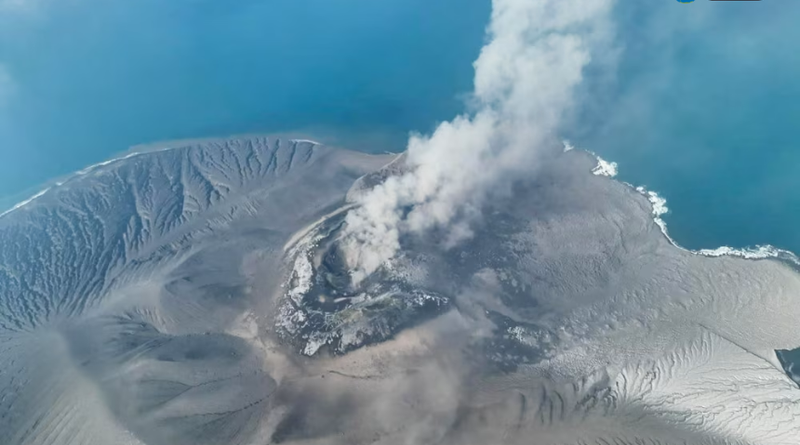
Anak Krakatau Eruption: 1,558 Flights Hit by Ash
The Anak Krakatau eruption has disrupted air travel across Indonesia, forcing the cancellation of hundreds of flights after volcanic ash spread across parts of western Indonesia.
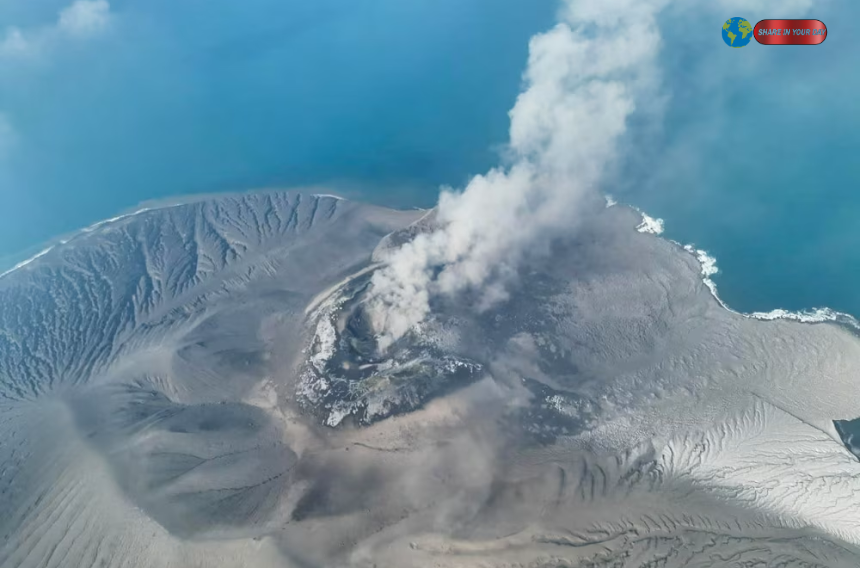
The volcano, located in the Sunda Strait between the islands of Java and Sumatra, erupted on Sunday, September 6, sending ash clouds high into the atmosphere and prompting authorities to suspend operations at multiple airports.
Jakarta’s Soekarno-Hatta International Airport was among the airports affected. The disruption left thousands of passengers facing cancellations, delays and diversions as aviation authorities worked to keep aircraft away from hazardous volcanic ash. LLos Angeles Times+1
By Sunday evening, reports indicated that eight airports had been affected, with 1,558 flights canceled and about 170,000 passengers impacted. RReuters+1
Anak Krakatau Eruption Sends Ash High Into the Sky
The Anak Krakatau eruption began after the volcano had shown increased activity in the days leading up to the event.
Indonesia’s Geological Agency said the volcano erupted early Sunday, with one eruption lasting about 30 seconds. A second eruption was also recorded later in the day.
The eruption produced lava and large quantities of volcanic ash. The ash was carried by winds across areas of Java, Sumatra and surrounding waters.
According to Indonesian authorities and the Darwin Volcanic Ash Advisory Centre, one ash cloud rose to about 20,000 feet, while another reached approximately 50,000 feet, or 15,200 meters. BBostonGlobe.com+1
That height is particularly important for aviation because volcanic ash can create serious risks for aircraft engines and visibility.
As a result, authorities moved quickly to restrict air operations in affected areas.
Jakarta Airport Among Major Facilities Affected
Soekarno-Hatta International Airport, Indonesia’s busiest airport, was forced to suspend flight operations because volcanic ash entered surrounding airspace.
The airport is located more than 150 kilometers from Anak Krakatau, demonstrating how far volcanic ash can travel from an eruption. AAl Jazeera+1
The disruption affected both domestic and international services.
Flights involving destinations such as Singapore, Kuala Lumpur, Hong Kong, Doha and Sydney were among those affected, while domestic routes to destinations including Bali and Surabaya also experienced disruptions. BBostonGlobe.com+1
For travelers, the impact went beyond individual canceled flights.
When a major airport stops operating, airlines can face a chain reaction involving aircraft positioning, crew schedules, connecting passengers and terminal capacity.
Indonesia’s Directorate General of Civil Aviation warned that disruptions could continue as airlines worked to restore their schedules.
More Than 1,500 Flights Canceled
The scale of the disruption increased throughout Sunday.
By the evening, reports indicated that 1,558 flights had been canceled, affecting roughly 170,000 passengers. RReuters+1
The numbers included flights at multiple airports rather than only Jakarta.
Earlier in the day, hundreds of flight movements had already been affected at Soekarno-Hatta. The airport operator reported disruptions involving domestic, international and cargo services. CCNA
Airlines were forced to cancel, delay or divert flights depending on the location of volcanic ash.
For passengers, that meant long waits at terminals, changing departure information and uncertainty over when services could resume.
Authorities advised travelers to check directly with their airlines before traveling to affected airports.
Why Volcanic Ash Is Dangerous for Aircraft
Volcanic ash is more than a visibility problem.
It can contain tiny particles of rock and glass that can damage aircraft engines when drawn into them.
At high temperatures inside an aircraft engine, ash can melt and then accumulate on engine components. This can reduce engine performance and create potentially dangerous operating conditions.
Ash can also reduce visibility and interfere with other aircraft systems.
That is why aviation authorities generally take a highly cautious approach when volcanic ash enters flight paths.
Even when an eruption occurs far from an airport, wind patterns can carry ash into major air corridors.
The Anak Krakatau eruption demonstrated that risk.
Although the volcano is located in the Sunda Strait, its ash reached areas far away from the crater, including Jakarta and parts of Sumatra.
Schools and Fishing Activities Also Disrupted
The effects of the Anak Krakatau eruption were not limited to aviation.
Volcanic ash also affected communities in areas where the material was carried by the wind.
Some schools suspended outdoor activities or shifted lessons online because of concerns about ash exposure. Fishing activities were also disrupted in some locations. RReuters+1
Authorities warned residents about potential irritation caused by airborne ash.
People exposed to volcanic ash can experience irritation of the eyes, nose and throat. Fine particles can also create breathing problems, particularly for vulnerable people.
Officials distributed masks in affected areas and encouraged residents to reduce unnecessary outdoor exposure.
No Tsunami Threat Reported
Despite the volcano’s history, Indonesian authorities said there was no immediate tsunami threat from the latest eruption.
That is significant because Anak Krakatau has been associated with a devastating tsunami in the past.
In December 2018, an eruption caused part of the volcano’s flank to collapse into the sea. The resulting tsunami struck coastal communities around the Sunda Strait and killed at least 430 people. BBostonGlobe.com+1
The 2018 disaster remains an important reason why authorities closely monitor Anak Krakatau.
However, the latest eruption did not immediately produce the same type of event.
Authorities continued monitoring the volcano and surrounding waters while urging residents and visitors to keep away from the active crater.
Anak Krakatau Has a Dangerous History
The name Anak Krakatau means “Child of Krakatau.”
The volcano emerged in the Sunda Strait following the catastrophic 1883 eruption of Krakatau.
That historic eruption became one of the most famous volcanic disasters in modern history. It generated enormous explosions, tsunamis and widespread atmospheric effects.
Anak Krakatau later developed in the same region.
The volcano has remained active for decades, periodically producing eruptions and lava flows.
Its most serious recent disaster came in 2018, when a flank collapse generated the deadly tsunami.
That history explains why every significant increase in activity receives close attention from Indonesian authorities and international monitoring agencies.
Indonesia Remains One of the World’s Most Active Volcanic Regions
Indonesia sits along the Pacific Ring of Fire, a region characterized by intense tectonic activity and numerous active volcanoes.
The country’s location means eruptions, earthquakes and other geological hazards are recurring challenges.
Anak Krakatau is only one of Indonesia’s active volcanoes.
During the latest event, Mount Semeru also erupted, adding to concerns about volcanic activity elsewhere in the country. Reuters reported that Anak Krakatau and several other volcanoes were at alert level 3. RReuters
The simultaneous activity highlights the importance of Indonesia’s extensive volcanic monitoring network.
Scientists use seismic instruments, satellite imagery, cameras and other systems to monitor changes in volcanic behavior.
Airlines Face a Difficult Recovery
Even after ash levels fall, restoring normal flight schedules can take time.
Airlines must reposition aircraft, arrange crews and deal with passengers whose original flights were canceled.
Aircraft that were supposed to operate later flights may be stranded at other airports.
That creates a domino effect across an airline’s network.
Indonesia’s aviation authorities warned that the Anak Krakatau disruption could affect aircraft rotations, fleet availability and terminal capacity as carriers attempted to restore operations. LLos Angeles Times+1
Passengers therefore could experience delays even on routes outside the immediate ash-affected area.
International Travelers Urged to Check Flight Status
Travelers flying through Indonesia were advised to monitor their flight status before heading to the airport.
Passengers should rely on their airline and airport for the latest information because volcanic ash conditions can change quickly depending on wind direction and eruption activity.
The disruption also affected international connections.
Singapore was among the international destinations significantly affected, while other routes involving major Asian and Middle Eastern cities were also disrupted. LLos Angeles Times+1
Travelers with connecting flights were particularly vulnerable to delays because a canceled first leg can affect an entire itinerary.
What Happens Next?
Authorities will continue monitoring Anak Krakatau’s activity and the movement of volcanic ash.
The key issue for aviation will be whether ash remains in flight paths used by commercial aircraft.
Weather conditions will also play an important role.
Wind direction can move ash toward populated areas or major airports, while changes in atmospheric conditions can help disperse the material.
Indonesian officials have also considered weather-modification efforts to help clear ash from affected areas by encouraging rainfall. RReuters
However, aviation authorities will ultimately need to determine whether conditions are safe before normal operations can resume.
Anak Krakatau Eruption Raises Fresh Safety Concerns
The Anak Krakatau eruption is a reminder of the continuing volcanic risks faced by Indonesia.
The immediate impact has been felt most clearly in aviation, with airports closing and thousands of travelers disrupted.
But the event has also affected schools, fishing communities and residents exposed to volcanic ash.
At the same time, authorities have emphasized that there is no immediate tsunami threat from the current eruption and have continued monitoring the volcano closely.
For travelers, the most important message is simple: check flight information before leaving for the airport and follow instructions from airlines and local authorities.
For Indonesia’s disaster-management agencies, the priority remains monitoring the volcano and protecting communities from any escalation.
The latest eruption may eventually prove to be a temporary disruption. Yet Anak Krakatau’s history means that scientists and authorities will continue watching its activity closely.
The volcano’s latest display of power has already had a major impact on Indonesia’s transportation network, demonstrating once again how quickly a volcanic eruption can affect millions of people far beyond the crater itself.