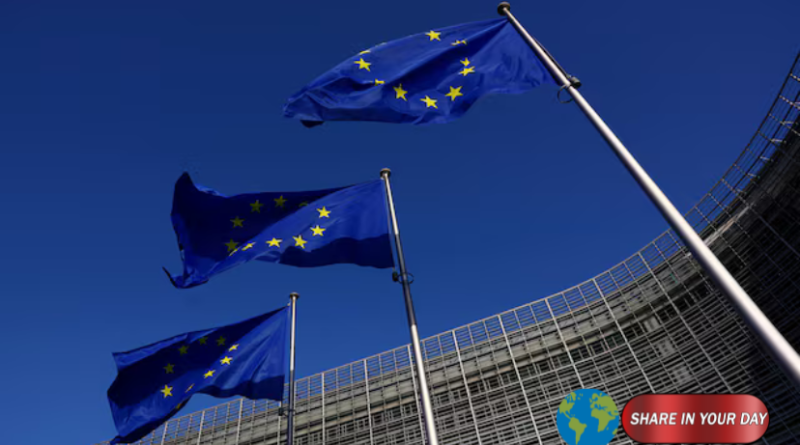
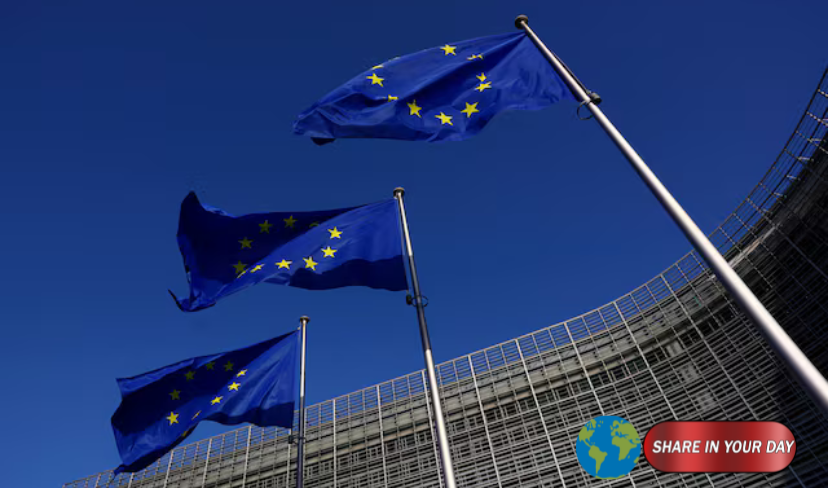
The EU Ukraine loan Russia sanctions plan has entered a decisive phase, marking one of the most significant geopolitical developments of 2026. European Union leaders are preparing to finalize a massive €90 billion financial package for Ukraine while simultaneously advancing a new round of sanctions targeting Russia.
The move comes after months of political deadlock and signals a renewed effort by the EU to strengthen Ukraine’s financial stability while increasing economic pressure on Moscow.
According to recent reports, EU ambassadors have already approved key elements of the package, with formal adoption expected imminently.
This article breaks down the situation into five critical insights, explaining what the deal includes, why it matters, and how it could reshape the ongoing war.
A Turning Point After Months of Deadlock
For months, the EU Ukraine loan Russia sanctions plan had been stalled due to political disagreements—primarily from Hungary.
Hungary had blocked both the financial aid and sanctions package over disputes related to Russian oil transit through the Druzhba pipeline.
However, the situation changed dramatically following:
- The resumption of oil flows through the pipeline
- A shift in Hungary’s political leadership after recent elections
These developments removed one of the biggest obstacles within the EU, allowing the 27-member bloc to move forward.
As a result, what had been frozen negotiations are now rapidly progressing toward final approval.
€90 Billion Loan: A Lifeline for Ukraine
At the center of the agreement is a €90 billion ($106 billion) loan designed to support Ukraine through 2026 and 2027.
The funding structure is significant:
- €45 billion allocated for 2026
- €45 billion allocated for 2027
- Funds split between military and budget support
Ukraine’s financial situation makes this assistance critical.
The country faces:
- A massive budget deficit nearing 20% of GDP
- Heavy military spending due to ongoing war
- Risk of running out of funds within months without external aid
In fact, analysts warn that Ukraine could face financial exhaustion as early as mid-2026 without this support.
This makes the EU package not just helpful—but essential for the country’s survival.
Sanctions Package: Europe’s 20th Strike Against Russia
Alongside the loan, the EU is preparing its 20th sanctions package against Russia, one of the most comprehensive to date.
Key measures include:
- Restrictions on oil, gas, and energy-related services
- Targeting Russia’s “shadow fleet” used to bypass sanctions
- Expanded asset freezes on individuals and companies
- Limits on crypto-related financial activities
- Sanctions on banks and industrial sectors
Additionally, the EU plans to:
- Restrict maritime operations linked to Russian exports
- Tighten enforcement against countries helping Russia evade sanctions
These measures aim to weaken Russia’s ability to sustain its war effort while closing loopholes that have allowed sanctions evasion.
The Druzhba Pipeline Dispute Explained
A major factor behind the delay—and eventual breakthrough—was the Druzhba oil pipeline dispute.
This pipeline is a key route delivering Russian oil to Central Europe.
Earlier in 2026:
- Damage to the pipeline disrupted oil flows
- Hungary and Slovakia demanded restoration
- Ukraine initially hesitated to prioritize repairs
This led to a political standoff, with Hungary using its veto power to block EU decisions.
However, once repairs were completed and oil flow resumed, tensions eased—unlocking both the loan and sanctions package.
The episode highlights how energy security continues to shape European geopolitical decisions.
Why This Matters for the War
The EU Ukraine loan Russia sanctions package could have far-reaching consequences for the war.
1. Strengthening Ukraine’s Position
The financial support ensures Ukraine can:
- Continue military operations
- Maintain government services
- Avoid economic collapse
2. Increasing Pressure on Russia
New sanctions aim to:
- Limit revenue from energy exports
- Disrupt military-industrial supply chains
- Isolate Russia financially
3. Signaling Long-Term Commitment
Perhaps most importantly, the package sends a clear message:
The EU remains committed to supporting Ukraine for the long term.
This could influence both battlefield dynamics and diplomatic negotiations.
Economic and Global Implications
Beyond the battlefield, the EU Ukraine loan Russia sanctions initiative carries global consequences.
Energy Markets
Sanctions targeting oil and gas could:
- Increase volatility in global energy prices
- Push Europe to diversify energy sources further
Financial Markets
The scale of the loan reflects:
- Continued reliance on international financing
- Growing integration of economic policy with geopolitical strategy
International Alliances
The EU is also counting on support from partners such as:
- The United States
- Japan
- Canada
These countries are expected to contribute additional funding to cover Ukraine’s broader needs.
Challenges and Risks Ahead
Despite progress, several challenges remain.
Funding Gaps
The EU loan covers roughly two-thirds of Ukraine’s needs, meaning additional support is still required.
Sanctions Enforcement
Previous sanctions have faced issues with:
- Loopholes
- Evasion through third countries
The effectiveness of the new package will depend heavily on enforcement.
Political Unity
While the current breakthrough is significant, maintaining unity among EU members will be critical—especially if future disputes arise.
What Happens Next?
The final step is formal approval by EU member states, expected within days.
Once approved:
- Funds could begin flowing to Ukraine by mid-2026
- New sanctions would take immediate or phased effect
This timeline makes the coming weeks crucial for both Ukraine and the broader geopolitical landscape.
Final Analysis
The EU Ukraine loan Russia sanctions initiative represents a major escalation in Europe’s response to the war.
It combines:
- Massive financial support
- Aggressive economic pressure
- Renewed political unity
While uncertainties remain, one conclusion is clear:
The European Union is doubling down on its strategy—support Ukraine, isolate Russia, and sustain pressure for the long haul.
As the war continues into its fifth year, decisions like this could play a decisive role in shaping its outcome.