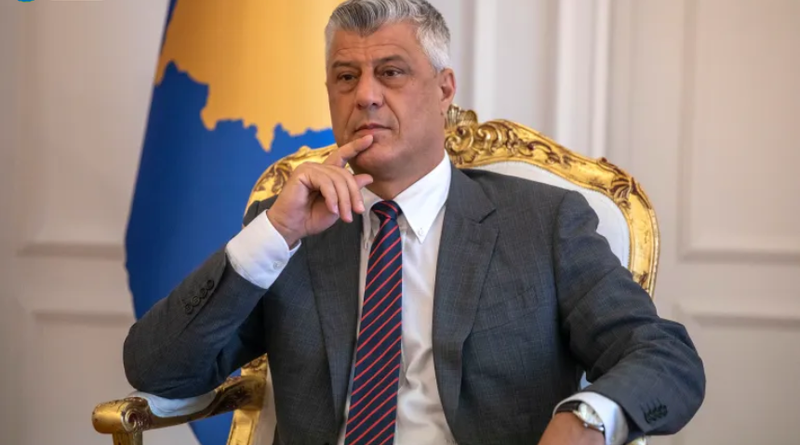
Hashim Thaci Convicted of War Crimes in Hague
Former Kosovo President Hashim Thaci has been convicted of war crimes and sentenced to 25 years in prison by a special tribunal in The Hague, marking a major development in the long-running legal reckoning over crimes committed during the Kosovo war.
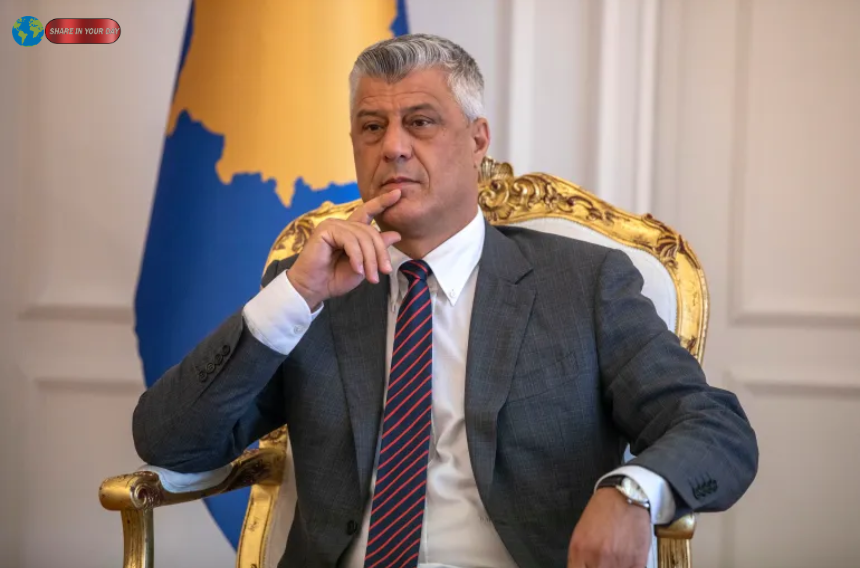
The Kosovo Specialist Chambers found Thaci criminally responsible for four war crimes: arbitrary detention, cruel treatment, torture and murder. The ruling relates to crimes committed during the 1998-99 conflict between Kosovo Albanian forces and Serbian forces.
Thaci, 58, was one of the most prominent commanders of the Kosovo Liberation Army, or KLA, before later becoming one of Kosovo’s leading political figures. He served as prime minister and president before resigning from the presidency in 2020 to face the allegations in The Hague.
Hashim Thaci Convicted of War Crimes After Long Trial
The verdict followed a trial that began in April 2023 and examined evidence concerning alleged abuses carried out during and after the Kosovo conflict.
According to the tribunal, the four defendants were criminally responsible for the arbitrary detention of 385 people, cruel treatment of 49 people, torture of 303 people and the murder of 96 people.
The court said the victims included people regarded as political or military opponents of the KLA, people suspected of links to Serbian authorities and members of ethnic minority communities.
Judges concluded that Thaci and the other defendants contributed significantly to a common criminal purpose aimed at people viewed as opponents of the KLA’s political and military objectives.
The prosecution had sought much longer prison sentences. However, the court ultimately imposed a 25-year sentence on Thaci, taking into account the time he has already spent in detention.
Court Rejects Crimes Against Humanity Charges
The judgment did not find Thaci guilty of crimes against humanity.
The tribunal said prosecutors had not established beyond a reasonable doubt that the alleged crimes formed part of the legally required widespread or systematic attack against a civilian population.
That distinction is significant because the case involved both war-crimes and crimes-against-humanity allegations. The court reached different conclusions depending on the legal elements and evidence required for each category.
The ruling also found the defendants not guilty in connection with several specific incidents included in the case.
Other Former KLA Leaders Also Sentenced
Thaci was not the only former KLA leader convicted in the case.
Kadri Veseli received an 18-year prison sentence, while Rexhep Selimi was sentenced to 13 years. Jakup Krasniqi received a 25-year sentence, matching Thaci’s punishment.
The four men were tried together at the Kosovo Specialist Chambers, a court based in The Hague that operates within Kosovo’s legal framework but uses international judges and staff.
The tribunal was established in 2015 following international pressure to investigate allegations of crimes involving members of the KLA. The court began receiving the case against Thaci and the other defendants after their arrests in 2020.
Thaci Denies the Charges
Throughout the proceedings, Thaci has denied the allegations against him.
His supporters have argued that the prosecution unfairly targeted figures who played important roles in Kosovo’s struggle for independence. The verdict has therefore become a deeply sensitive issue in Kosovo, where Thaci remains a significant figure for many people.
Supporters gathered in Kosovo and in The Hague around the time of the judgment. Reports from the day described demonstrations and strong reactions to the court’s decision.
The case has also drawn attention in Serbia, where Thaci’s wartime role has long been viewed very differently from the way he is regarded by many ethnic Albanians in Kosovo.
A Turning Point for Kosovo’s Former President
Thaci’s political career was closely tied to Kosovo’s transition from wartime conflict to statehood.
After the 1998-99 war, he became a central figure in Kosovo’s political development. He served as prime minister and later became president in 2016.
Kosovo declared independence from Serbia in 2008, although Serbia continues to reject the declaration. The legacy of the war remains a major source of tension between the two countries.
For Thaci, however, the international trial has transformed the final stage of a political career once closely associated with Kosovo’s independence movement.
What Happens Next for Hashim Thaci?
The 25-year sentence does not necessarily bring the legal process to an immediate end.
Thaci and the other defendants have avenues to challenge the judgment through the tribunal’s appeals process. His legal team has consistently maintained his innocence, meaning the verdict is likely to remain the subject of further legal proceedings.
The case also leaves a complicated legacy for Kosovo. The court emphasized that its findings concerned the individual criminal responsibility of the accused rather than the legitimacy of Kosovo’s independence or the broader political objectives of the KLA.
For victims and their families, the verdict represents a judicial determination concerning specific crimes and individuals. For supporters of Thaci, meanwhile, the conviction is likely to remain controversial.
The judgment marks one of the most consequential international legal cases involving Kosovo’s wartime leadership. More than two decades after the conflict ended, the proceedings have placed one of Kosovo’s most recognizable political figures before an international court and produced a 25-year prison sentence that is likely to shape discussions about the country’s wartime history for years to come.