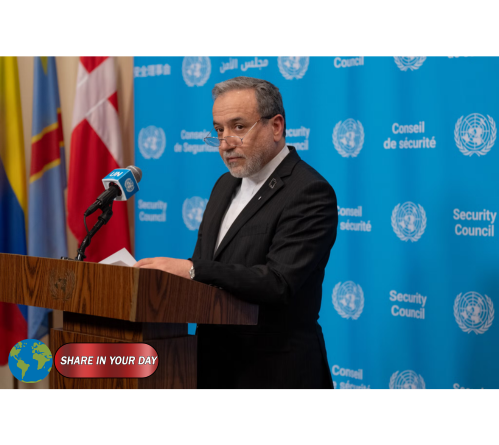
The latest Iran ceasefire effort has hit a setback after President Donald Trump rejected a proposal from Tehran that would have opened the Strait of Hormuz within seven days while restarting negotiations over Iran’s nuclear program.
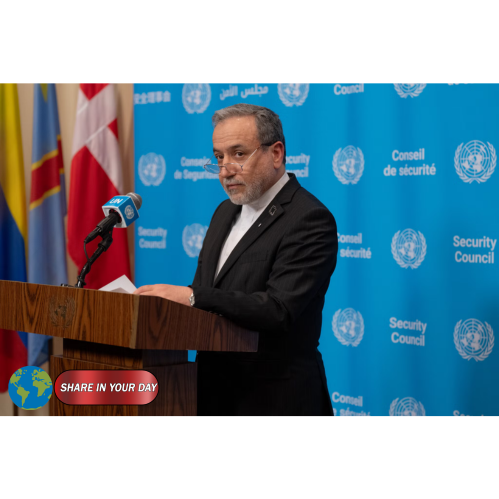
The proposal, presented through diplomatic channels around the United Nations General Assembly in New York, offered a potential framework for reducing hostilities. Iran linked the reopening of the strategically important waterway to several U.S. concessions, including an end to the naval blockade of Iranian ports, relief from some oil sanctions and a ceasefire covering the wider region.
Trump rejected the proposal publicly on Saturday. But the diplomatic channel has not completely closed. On Sunday, he said he expected additional talks with Iran during the week, while Iranian Foreign Minister Abbas Araghchi said Tehran continued to seek a diplomatic solution.
The developments leave the Iran ceasefire effort in an uncertain position, with Washington and Tehran still divided over the terms of any agreement and over the future of the Strait of Hormuz.
Iran Ceasefire Plan Offered a 7-Day Hormuz Timeline
The Iranian proposal centered on a relatively short timetable.
Under the plan described by officials and reported by multiple news organizations, Iran would reopen the Strait of Hormuz and restart nuclear negotiations within seven days if the United States took several steps to reduce military and economic pressure.
Those conditions included lifting the U.S. naval blockade of Iranian ports, easing or waiving sanctions affecting Iranian oil exports and observing a broader ceasefire. The proposed ceasefire was also described as extending beyond the immediate U.S.-Iran confrontation to include Lebanon.
The proposal represented another attempt to connect two issues that have become increasingly intertwined: military de-escalation and access to one of the world’s most important energy shipping routes.
Iran has previously indicated that it could reopen the waterway if Washington reduced military pressure and lifted the blockade. A senior Iranian official told Reuters on Sept. 22 that Tehran could reopen the strait within seven days under those conditions.
For Tehran, the Strait of Hormuz is therefore not simply a shipping route. It has become a central element of negotiations over the broader conflict.
Trump Rejects the Iran Ceasefire Proposal
Trump rejected the latest proposal on Saturday as he left the White House.
The president said Iran had made an offer but that he did not consider the proposed arrangement acceptable. His comments followed days of indirect diplomacy between U.S. and Iranian representatives through mediators.
Trump has also argued that Washington has greater leverage because of the pressure being placed on Iran.
The rejection means the seven-day timetable proposed by Tehran is not currently an agreed framework. No formal ceasefire based on those terms has been announced.
However, Trump’s rejection did not necessarily mean that all diplomatic contacts had ended.
On Sunday, Trump told Axios that he expected additional discussions with Iran during the week. According to Axios, Qatari mediators were continuing to communicate separately with American and Iranian officials, with another round of indirect contacts potentially beginning as early as Monday.
That distinction is important. The proposal itself was rejected, but negotiations could continue around a revised arrangement.
Iran Says Diplomacy Remains Possible
Iranian officials have also continued to signal that diplomacy remains an option.
Araghchi said Sunday that Tehran was still waiting for an official response through mediators after Trump rejected the proposal. He also reiterated that Iran wanted a diplomatic solution.
At the same time, Iranian officials have maintained their conditions for reopening the Strait of Hormuz.
Araghchi said that any move toward reopening the waterway would depend on Tehran’s requirements being met. This suggests that the two sides remain separated not only by the question of whether to negotiate, but also by what each government expects to receive from negotiations.
Reuters reported earlier that U.S. and Iranian officials remained far apart over how to end the conflict, despite holding their first indirect talks in months on the sidelines of the United Nations General Assembly.
Why the Strait of Hormuz Matters
The Strait of Hormuz is one of the world’s most important energy chokepoints.
The narrow waterway connects the Persian Gulf with the Gulf of Oman and the Arabian Sea. It is used by major oil tankers transporting crude oil and petroleum products from several Gulf producers to international markets.
According to the U.S. Energy Information Administration, oil flows through the strait averaged about 20.9 million barrels per day during the first half of 2025. That represented roughly one-fifth of global petroleum liquids consumption and about one-quarter of global seaborne oil trade.
The waterway is also important for natural gas.
The EIA estimates that about 20% of global liquefied natural gas trade passed through the Strait of Hormuz in 2024, with Qatar accounting for most of the Gulf’s LNG exports through the route. Much of that LNG was destined for Asian markets, including China, India and South Korea.
This explains why the Iran ceasefire negotiations have consequences far beyond Washington and Tehran.
Any sustained disruption to shipping through Hormuz could affect oil markets, natural gas supplies, tanker rates, insurance costs and transportation routes.
The Hormuz Dispute Has Become Central to Negotiations
The latest diplomatic effort shows how the Strait of Hormuz has become a bargaining issue in the conflict.
Iran has offered to reopen the waterway under specific conditions. Washington, meanwhile, has demanded broader concessions from Tehran.
Axios reported that the Trump administration wants nuclear concessions as part of any agreement, while Iran has focused heavily on the blockade and the conditions required to restore normal shipping.
That difference creates a significant negotiating gap.
For the United States, the talks are connected to the nuclear issue and the broader conflict. For Iran, the immediate reopening of the waterway and relief from military and economic pressure are major priorities.
Neither side has publicly accepted the other’s full framework.
What Could Happen to Oil Markets?
The uncertainty surrounding the Iran ceasefire has kept attention focused on energy markets.
The Strait of Hormuz does have alternative routes, including pipelines operated by Saudi Arabia and the United Arab Emirates. However, the EIA notes that these alternatives can move only part of the volumes normally transported through the strait.
That means a prolonged disruption could still create significant pressure on global energy supplies.
Oil prices had already responded to concerns about the conflict and the possibility of a prolonged disruption. Reuters reported earlier in September that Brent crude futures were trading near $100 a barrel as markets assessed the conflict and uncertainty surrounding future U.S.-Iran diplomacy.
The impact is not limited to crude oil.
Higher tanker insurance costs, longer shipping routes and increased transportation risks can add expenses throughout the energy supply chain. Asian economies could also be particularly exposed because much of the LNG moving through Hormuz is ultimately destined for Asian markets.
A reopening agreement could therefore have implications for energy markets even before a comprehensive political settlement is reached.
Iran Ceasefire Talks Face Several Major Obstacles
Several unresolved issues stand between the United States and Iran.
Nuclear restrictions
Washington has continued to seek commitments involving Iran’s nuclear program.
The United States has indicated that a broader agreement would need to address nuclear concerns rather than focusing only on shipping through Hormuz.
Iran, meanwhile, has insisted that negotiations must take place without surrendering what its officials describe as national rights.
Military pressure
The U.S. naval blockade and military posture remain central to Tehran’s conditions.
Iran’s proposal linked the reopening of Hormuz to a reduction in American military pressure. Washington has not accepted that condition as the basis for a deal.
Oil sanctions
Iran has also sought relief from sanctions affecting its ability to sell oil.
The proposal reportedly included the restoration of a waiver for Iranian oil exports. For Tehran, access to oil revenue is closely connected to the economic pressure created by the conflict.
Regional ceasefire
The proposed arrangement also involved a wider ceasefire rather than a narrowly defined pause between the United States and Iran.
That introduces additional complications because fighting involving Iran-backed groups and regional governments has continued in other parts of the Middle East.
Qatar Is Playing a Role as a Mediator
Qatar has emerged as one of the channels connecting the two sides.
According to Axios, Qatari officials have been involved in passing messages between Washington and Tehran and were working to find changes to the proposed agreement.
The role of mediators is particularly important because the United States and Iran do not have normal diplomatic relations.
Indirect negotiations allow both sides to communicate without requiring direct public meetings between their leaders.
Qatar is not the only diplomatic channel involved, but its participation could become important if Washington and Tehran attempt to revise the rejected proposal.
More Talks Could Still Take Place
Despite the rejection, the latest statements from both governments leave room for further negotiations.
Trump said he expected talks during the week. Iranian officials have also said that they remain open to diplomacy.
However, there is no indication that the two sides have reached agreement on the key terms.
The most immediate question is whether mediators can produce a revised proposal that addresses the different priorities of Washington and Tehran.
For shipping companies, energy traders and governments across Asia and the Middle East, the status of the Strait of Hormuz will remain particularly important.
What to Watch Next
The next phase of the Iran ceasefire process is likely to focus on whether indirect talks resume and whether either side modifies its demands.
Several developments could provide clues.
First, negotiators could attempt to create a narrower temporary arrangement focused on maritime access. Such an agreement would potentially separate the immediate shipping crisis from the more difficult nuclear negotiations.
Second, the United States and Iran could pursue a broader package covering the blockade, oil sanctions, nuclear issues and a regional ceasefire.
Third, continued disagreement could leave the Strait of Hormuz at the center of a prolonged standoff.
For now, the diplomatic picture remains fluid. Trump’s rejection of Tehran’s seven-day proposal represents a setback for that specific framework, but his stated expectation of additional talks suggests that communication between the two sides has not ended.
The central challenge is whether negotiators can bridge the gap between Iran’s demand for reduced military and economic pressure and Washington’s demand for broader concessions.
Until that gap narrows, the future of the Iran ceasefire effort and the reopening of the Strait of Hormuz will remain closely linked.