Japan Fires Type 88 Missile in Philippines Drill Amid China Tensions
Japan carried out a landmark live-fire military exercise in the Philippines this week, launching its Type 88 anti-ship missiles during the annual Balikatan 2026 war games. The move marks a major shift in Tokyo’s regional defense posture and highlights growing security cooperation between Japan, the Philippines, the United States, and allied nations.
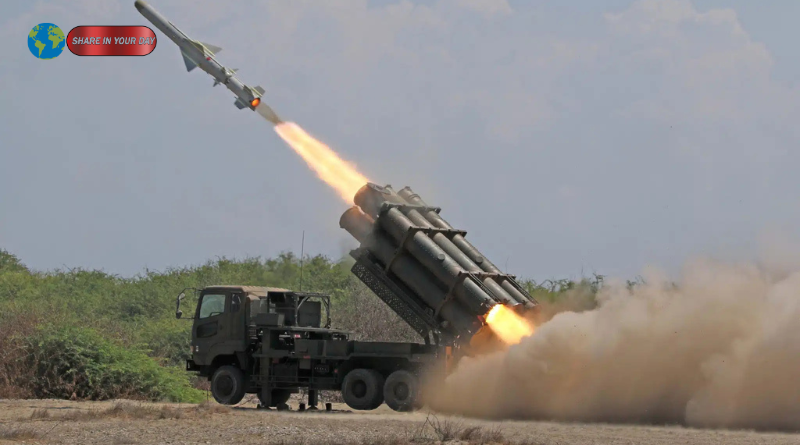
The exercise took place in northern Luzon facing the disputed South China Sea, an area increasingly at the center of geopolitical tensions involving China and its regional neighbors. Japanese Ground Self-Defense Force troops fired two Type 88 surface-to-ship missiles at a decommissioned Philippine Navy vessel during the drill.
Defense analysts say the operation was historically significant because it represented one of the first times Japan conducted a live overseas missile launch since World War II. The event also underscored Tokyo’s evolving military strategy as regional security concerns intensify across the Indo-Pacific.
Balikatan 2026 Expands Regional Military Cooperation
The missile launch was part of Exercise Balikatan 2026, one of Asia’s largest annual joint military exercises. The drills involve more than 17,000 personnel from the Philippines, the United States, Japan, Australia, Canada, and other partner nations.
The Philippines and the United States have steadily expanded Balikatan in recent years. However, Japan’s active participation this year demonstrated how rapidly defense cooperation among U.S. allies has evolved.
Japanese troops deployed truck-mounted Type 88 missile launchers to the Philippines and successfully struck a retired Philippine naval vessel positioned offshore. The exercise simulated maritime defense operations designed to counter hostile naval threats in contested waters.
Philippine Defense Secretary Gilberto Teodoro and Japanese Defense Minister Shinjiro Koizumi observed the drill together. Officials from both countries described the operation as a symbol of growing strategic trust and interoperability between their armed forces.
What Is the Type 88 Anti-Ship Missile?
The Type 88 surface-to-ship missile is a land-based anti-ship missile developed by Japan and manufactured by Mitsubishi Heavy Industries. The missile entered service in the late 1980s and remains a core component of Japan’s coastal defense system.
R=180 km
The missile has an estimated operational range of approximately 180 kilometers and is designed to target enemy vessels using radar guidance systems. Military experts often compare its capabilities to the American Harpoon anti-ship missile.
The Type 88 system is mounted on mobile launcher vehicles, allowing rapid deployment across coastal regions. Japan later upgraded the platform into the newer Type 12 missile system, which features improved targeting, GPS guidance, and extended strike range.
Tokyo has increasingly invested in long-range missile capabilities as concerns over Chinese naval expansion and Taiwan-related tensions continue to grow.
Why the Philippines Matters Strategically
The Philippines has become one of the most strategically important locations in the Indo-Pacific security landscape. Its geographic position near the South China Sea and Taiwan makes it a critical partner for the United States and its allies.
In recent years, Manila has strengthened defense cooperation with Washington and Tokyo amid repeated confrontations with Chinese vessels in disputed waters. China claims most of the South China Sea despite an international tribunal ruling that invalidated many of Beijing’s territorial claims.
The northern Philippine island of Luzon provides direct access to key maritime routes near Taiwan and the Luzon Strait. Military planners view the area as strategically vital in any future regional conflict scenario.
During Balikatan 2026, the United States also deployed its NMESIS anti-ship missile system near Taiwan-facing areas in the Philippines.
The combination of U.S. and Japanese missile deployments signaled a coordinated deterrence strategy aimed at countering growing Chinese military activity in the region.
China Reacts to Japanese Missile Launch
China criticized the exercise almost immediately after footage of the Japanese missile launch circulated online. Chinese state-affiliated media accused Japan of reviving militarism and escalating regional tensions.
Beijing has repeatedly condemned expanding military cooperation between the Philippines, Japan, and the United States. Chinese officials argue that these alliances destabilize regional security and increase the risk of confrontation.
However, Japan and the Philippines insist the exercises are defensive in nature. Both governments have emphasized the importance of maintaining freedom of navigation and protecting international maritime law in the South China Sea.
Security experts believe China is closely monitoring the growing military coordination among U.S. allies in the Indo-Pacific. The participation of additional countries such as Australia and Canada further demonstrates widening international concern over regional stability.
Japan’s Military Transformation Continues
Japan’s overseas missile exercise reflects broader changes in the country’s postwar defense policy. For decades, Japan maintained strict limitations on military operations under its pacifist constitution.
That policy has gradually evolved due to regional threats posed by North Korea’s missile programs and China’s rapidly expanding military capabilities.
Tokyo has increased defense spending, expanded military cooperation agreements, and relaxed restrictions on arms exports. Japan is also developing next-generation long-range missile systems capable of striking targets far from its territory.
In addition, Japan and the Philippines recently agreed to begin talks on a possible weapons transfer arrangement. Reports indicate Tokyo could provide naval vessels and surveillance aircraft to Manila as part of enhanced defense cooperation.
Analysts say these developments demonstrate Japan’s growing willingness to take a more active security role in Asia.
South China Sea Remains a Flashpoint
The South China Sea continues to be one of the world’s most dangerous geopolitical hotspots. Multiple countries, including the Philippines, Vietnam, Malaysia, and Brunei, have competing territorial claims with China.
The region is strategically important because trillions of dollars in global trade pass through its waters annually. It is also believed to contain valuable fishing grounds and energy resources.
China has built artificial islands, military facilities, and airstrips across disputed areas over the past decade. Meanwhile, the United States and its allies regularly conduct freedom-of-navigation operations to challenge Beijing’s claims.
Military exercises like Balikatan are increasingly designed to prepare allied forces for potential maritime conflict scenarios.
According to defense observers, Japan’s missile launch sends a clear signal that Tokyo is prepared to support regional deterrence operations beyond its own territory.
Regional Alliances Strengthen Indo-Pacific Security
The expanding defense partnership between Japan and the Philippines reflects a larger trend reshaping Indo-Pacific security.
Countries across the region are deepening military cooperation to respond to evolving threats. Joint exercises, intelligence sharing, missile deployments, and defense technology transfers are becoming increasingly common.
For the Philippines, strengthening ties with Japan offers access to advanced military technology and enhanced deterrence capabilities. For Japan, the partnership helps secure critical maritime routes and counterbalance Chinese influence.
The United States also benefits from stronger regional alliances that support its broader Indo-Pacific strategy.
Experts believe future Balikatan exercises will likely become even more sophisticated, involving additional missile systems, naval assets, and multinational participation.
Conclusion
Japan’s Type 88 missile launch in the Philippines represents far more than a routine military drill. It signals a major evolution in Japan’s defense posture and highlights the growing strategic alignment among Indo-Pacific allies.
As tensions in the South China Sea continue to rise, regional powers are rapidly enhancing military readiness and cooperation. The Balikatan 2026 exercise demonstrated how Japan, the Philippines, and the United States are strengthening deterrence efforts against potential threats.
While China has condemned the exercise, allied nations argue that maintaining security, stability, and freedom of navigation remains essential for the region’s future.
The successful missile launch may ultimately become remembered as a defining moment in Japan’s transition toward a more proactive regional security role.