NATO Expulsion Rules Revealed: Spain Dispute
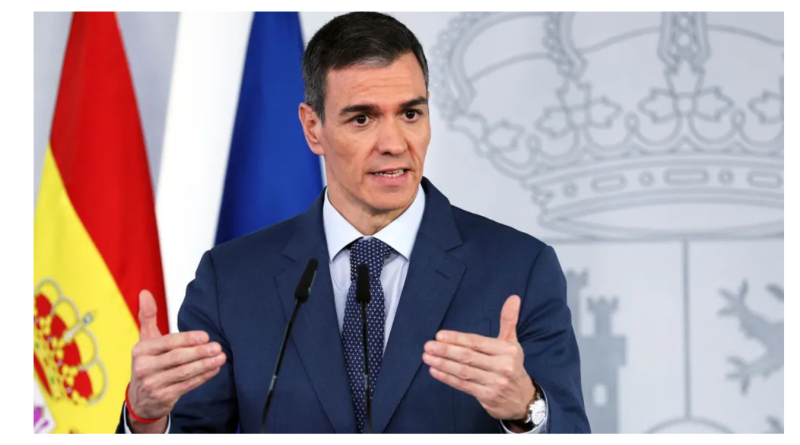
The debate over NATO expulsion rules has intensified after reports suggested the United States considered suspending Spain from the alliance. However, officials from NATO have made one thing clear: there is no formal mechanism to expel or suspend a member country.
According to a report by BBC News, the alliance confirmed that its founding treaty does not include provisions allowing members to be removed against their will. This clarification comes amid rising tensions linked to geopolitical disagreements involving Spain and the United States.
NATO Expulsion Rules: No Legal Path to Remove Members
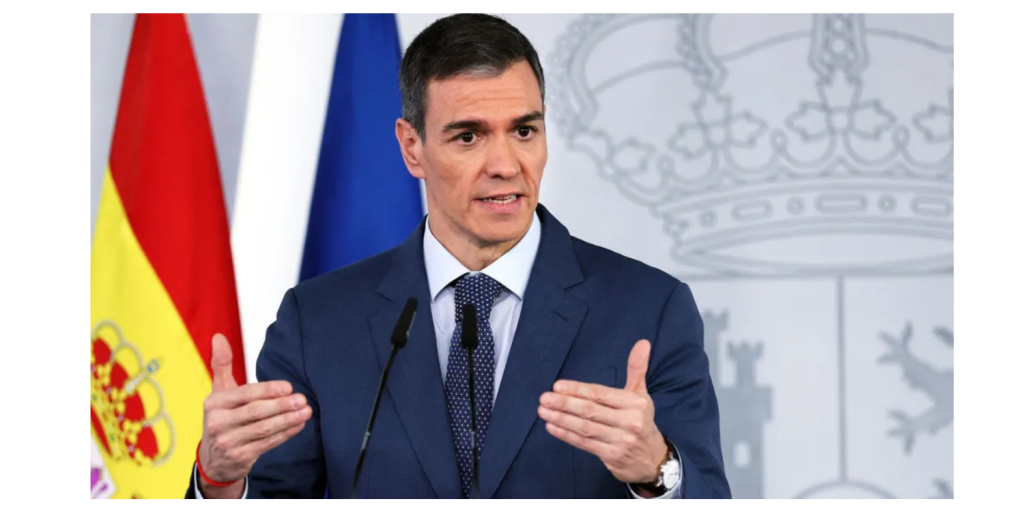
At the center of the controversy is a simple but crucial fact: NATO expulsion rules do not exist in practice. The alliance was designed as a voluntary defense pact, meaning countries join by choice—and can only leave voluntarily.
NATO officials emphasized that there is “no provision” in the treaty to suspend or expel a member state.
This legal structure reflects NATO’s founding principle of unity. Removing a member would require a fundamental rewrite of the treaty, which would be politically and diplomatically complex.
Why Spain Became Part of the NATO Expulsion Debate
The renewed focus on NATO expulsion rules stems from reports that US officials discussed possible measures against Spain. These discussions reportedly followed disagreements over military cooperation linked to tensions involving Iran.
Spain’s position raised concerns in Washington, particularly regarding access to military bases and operational support. However, even if disagreements escalate, the alliance’s rules limit what actions can be taken.
Rather than expulsion, options may include:
- Diplomatic pressure
- Reduced cooperation
- Policy negotiations within NATO frameworks
Still, none of these amount to formal removal under current NATO expulsion rules.
NATO’s Structure: Why Expulsion Is So Difficult
Understanding NATO expulsion rules requires looking at how the alliance operates. NATO is built on consensus, meaning all members must agree on major decisions.
This structure ensures:
- Equal standing among member states
- Protection of national sovereignty
- Stability within the alliance
Because of this, expelling a country like Spain would require unanimous agreement—something that is extremely unlikely.
Additionally, the alliance’s founding document, the North Atlantic Treaty, only outlines how countries can join or voluntarily withdraw, not how they can be forced out.
Historical Context of NATO Membership Rules
Since its creation in 1949, NATO has expanded multiple times, welcoming new members across Europe and beyond. However, there has never been a case where a country was expelled.
This historical precedent reinforces the current interpretation of NATO expulsion rules. Even during periods of political tension, member states have remained within the alliance.
For example:
- Disagreements over military interventions
- Conflicts over defense spending
- Political differences among members
Despite these challenges, NATO has always prioritized cohesion over division.
Could NATO Ever Change Its Expulsion Rules?
Technically, the alliance could revise its treaty to include expulsion provisions. However, this would require unanimous agreement among all member states—a highly unlikely scenario.
Changing NATO expulsion rules would raise several concerns:
- Potential instability within the alliance
- Fear among smaller nations of political pressure
- Risk of weakening collective defense commitments
As a result, most experts believe NATO will continue operating without formal expulsion mechanisms.
What This Means for the US–Spain Relationship
The discussion around NATO expulsion rules highlights broader tensions between the United States and Spain. While disagreements may continue, both countries remain committed members of the alliance.
In practice, this means:
- Spain cannot be removed from NATO unilaterally
- The US must work within alliance structures
- Diplomatic solutions remain the primary path forward
This situation underscores the importance of cooperation within NATO, even during periods of disagreement.
Global Implications of the NATO Expulsion Debate
The renewed attention on NATO expulsion rules could have wider implications for global security. The alliance plays a critical role in maintaining stability, particularly in Europe.
If member states begin to question the unity of NATO, it could:
- Encourage geopolitical rivals
- Create uncertainty among allies
- Impact global defense strategies
However, NATO’s firm stance—that expulsion is not an option—helps reinforce its stability.
Internal and External Resources
For further insights into global security and alliance structures:
- Internal: https://yourwebsite.com/global-defense-analysis
- External: BBC News coverage on NATO developments
These resources provide deeper context on how NATO expulsion rules shape international relations.
Final Thoughts on NATO Expulsion Rules
The debate surrounding NATO expulsion rules reveals the complexity of modern alliances. While political tensions can lead to serious discussions, the legal framework of NATO remains clear.
There is no mechanism to expel a member state, and any attempt to do so would require unprecedented changes to the alliance’s structure.
For now, the situation involving Spain serves as a reminder that NATO is built on cooperation, not coercion. And despite disagreements, its members remain bound by a shared commitment to collective defense.