Russia Election 2026: United Russia Leads Wartime Vote
The Russia election 2026 has placed President Vladimir Putin’s ruling United Russia party on course to retain its dominant position in parliament, according to partial official results released after voting ended Sunday. United Russia had received about 57.5% of counted votes, while several other established parties trailed far behind.
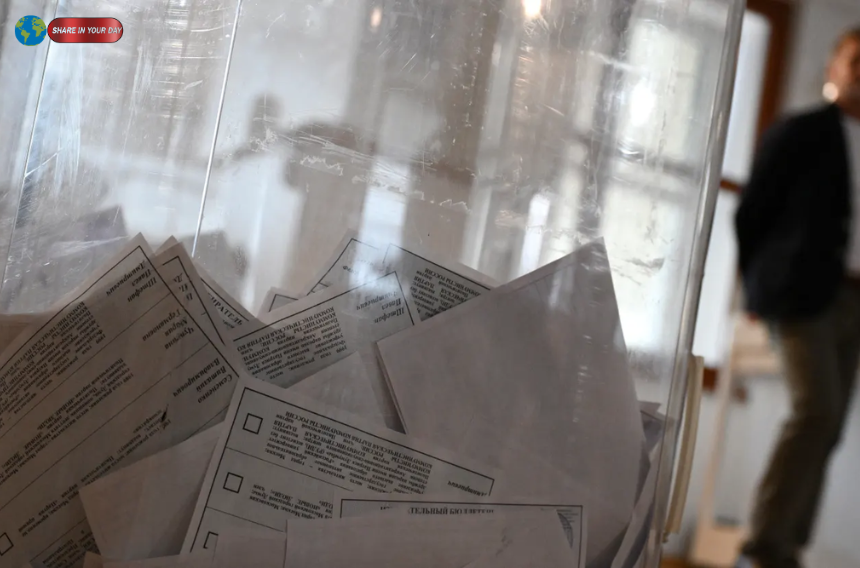
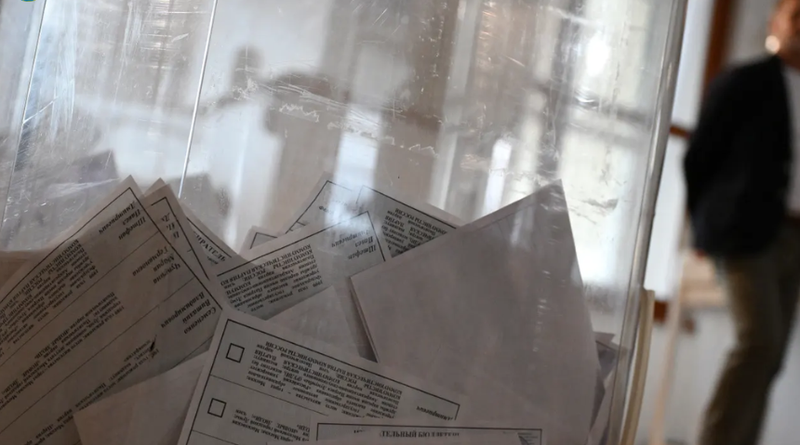
The three-day election was Russia’s first parliamentary vote since Moscow launched its full-scale invasion of Ukraine in February 2022. The Kremlin has presented the election as an important measure of public support for its policies and the country’s continuing war effort.
Russia Election 2026 Takes Place During War
Russian voters went to the polls from September 18 through September 20 to elect all 450 members of the State Duma, the lower house of parliament.
The vote took place as the war in Ukraine entered another year and Ukrainian forces continued attacks against targets inside Russia. The final day of voting was particularly tense, with Russian officials reporting a major wave of Ukrainian drone strikes targeting Moscow and other regions.
Russian officials said the attacks killed people and damaged infrastructure, including a facility connected to Moscow’s oil industry. Moscow Mayor Sergei Sobyanin accused Ukraine of attempting to disrupt the election, while Ukrainian officials have described their long-range strikes as attacks on Russian military and economic infrastructure.
The scale of the attacks added another layer of tension to an election already taking place under heightened security conditions.
United Russia Holds a Strong Lead
Partial results placed United Russia well ahead of the other parties competing for seats in the State Duma.
The Communist Party, the Liberal Democratic Party of Russia, New People and Just Russia were among the parties behind United Russia. These parties have seats in parliament and differ on some domestic issues, but they generally support the Kremlin on major national matters, including its approach to the war in Ukraine.
Dmitry Medvedev, a former president and senior United Russia figure, welcomed the early numbers. He said the party’s performance showed that voters had entrusted it with continuing to govern.
The final distribution of seats was still being determined when the preliminary figures were reported. However, the early count indicated that United Russia was positioned to remain the central force in the next State Duma.
Why Russia Election 2026 Matters
The Russia election 2026 carries significance beyond the number of parliamentary seats won by individual parties.
The Kremlin has sought to use the election as a demonstration of political continuity during wartime. A strong result for United Russia would allow the government to argue that its policies continue to command substantial domestic support.
At the same time, the election provides an indication of how the country’s political system is operating after more than four years of full-scale war.
The conflict has brought increased military spending, economic pressure and repeated Ukrainian drone attacks on Russian territory. The government has responded with tighter restrictions on dissent and criticism of the military.
Opposition Faces a Restricted Political Environment
Independent opposition groups faced significant barriers during the campaign.
The liberal Yabloko party, which has openly opposed the war, was excluded from the nationwide party-list portion of the election. Some of its candidates were nevertheless able to compete in individual constituencies.
Other anti-war politicians have been imprisoned, barred from running or forced to leave Russia. Critics of the Kremlin argue that these conditions make it difficult for voters to choose between competing political programs.
Russian authorities maintain that restrictions are necessary for national security during the conflict. Laws adopted during the war have also criminalized certain forms of criticism of the armed forces and the publication of information authorities consider false.
The political environment has therefore been markedly different from elections held before the full-scale invasion.
Turnout and Cyberattacks
Russia’s Central Election Commission reported turnout of 56.66% when polling closed, according to the Associated Press. The election involved roughly 111 million eligible voters and included electronic voting in addition to traditional ballots.
Election authorities also reported cyberattacks against systems involved in the voting process.
Central Election Commission chair Ella Pamfilova said electronic voting infrastructure had been targeted but that officials were able to maintain the electoral process. Russian authorities also reported attacks against communications infrastructure.
Those claims were made by Russian officials and could not all be independently verified.
The use of electronic voting has become increasingly important in Russia’s elections, particularly in major population centers. It has also generated controversy among critics and opposition activists who question the transparency of the system.
Voting in Russian-Controlled Ukrainian Regions
Another major issue surrounding the Russia election 2026 was voting in Ukrainian territories that Russia claims to have annexed.
Residents in Russian-controlled parts of Donetsk, Luhansk, Kherson and Zaporizhzhia were included in the parliamentary vote. Ukraine rejected the elections in those areas and called on other governments not to recognize the results.
The European Union has also criticized Russia’s organization of elections in occupied Ukrainian territory, describing the move as contrary to international law.
The inclusion of those territories adds an international dimension to the parliamentary election and is likely to remain a point of disagreement between Moscow, Kyiv and Western governments.
What Comes Next
The final results will determine the precise balance of seats in the State Duma, but preliminary figures point toward continued dominance by United Russia.
For the Kremlin, the election provides an opportunity to emphasize political stability during the war. For opponents, the limited competition and restrictions on anti-war candidates remain central concerns.
The Russia election 2026 also reflects how deeply the Ukraine war has become intertwined with Russian domestic politics. The government has linked national unity with support for its military campaign, while critics argue that wartime restrictions have narrowed the space for political dissent.
As the remaining ballots are counted, attention will shift to the final seat distribution, turnout and the political message Moscow draws from the result.
The early numbers indicate continuity in Russia’s parliamentary system, with United Russia maintaining a substantial lead as the country continues to conduct its politics under wartime conditions.