Barbra Streisand Criticizes Trump Over Kennedy Center Closure
Barbra Streisand has criticized President Donald Trump over the escalating controversy surrounding the John F. Kennedy Center for the Performing Arts, arguing that the Washington cultural institution has become caught up in a dispute over the president’s name and its future.
Streisand, who was named a Kennedy Center Honoree in 2008, said the situation was painful to watch as the center faces a temporary closure, a proposed major renovation and an ongoing legal dispute over attempts to place Trump’s name on the building.
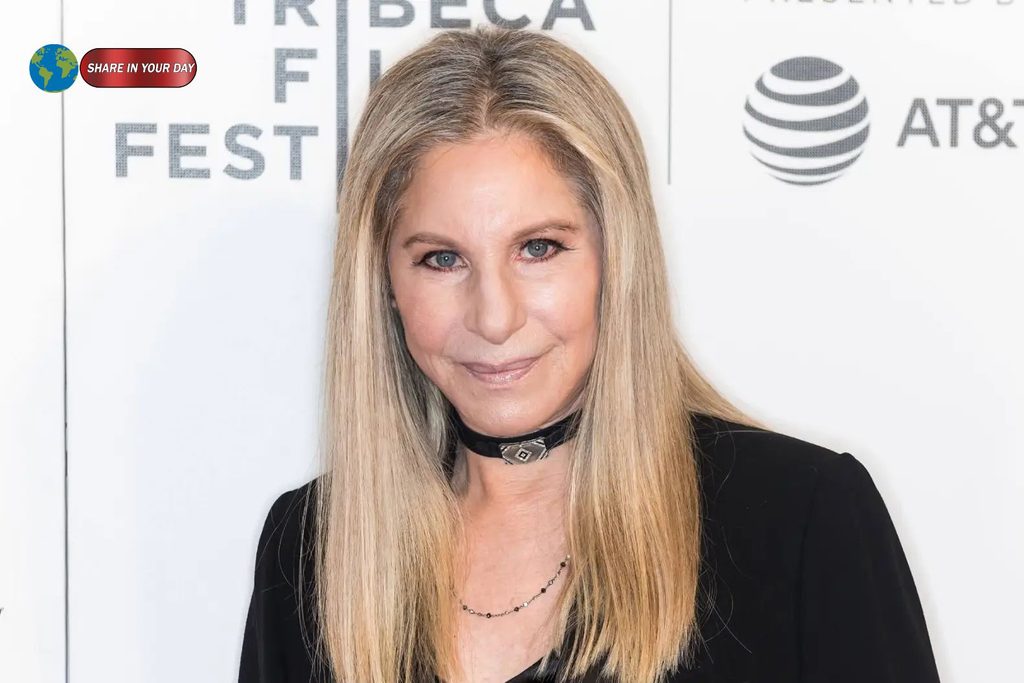
The singer and actress described the Kennedy Center as one of America’s major cultural institutions and said its importance extends beyond individual performances or honors. In her statement, she connected the center’s mission to the broader role of the arts in a democratic society.
The dispute intensified after a Trump-appointed Kennedy Center board voted to close the institution while plans for a major renovation move forward. The board has said the center faces serious financial and structural problems, while the political and legal battle over Trump’s name has continued alongside those concerns.
Streisand Objects to the Fight Over Trump’s Name
Streisand’s criticism focused heavily on the dispute over whether Trump’s name should appear on the Kennedy Center.
A federal judge previously ruled that the center’s name could not be changed by the board without congressional approval. The decision followed efforts by Trump and his allies to add his name to the institution, which was established by Congress as a memorial to President John F. Kennedy.
The court ruling created a direct conflict between the administration’s plans for the building and the legal restrictions governing the institution’s name. Trump’s name was subsequently removed from the exterior after earlier attempts to alter the building’s identification were challenged.
Streisand argued that the Kennedy Center should remain focused on its original purpose rather than becoming the center of a personal naming dispute.
She also pointed to her own experience as a Kennedy Center Honoree, saying that the recognition represented something larger than an individual career achievement. For her, the honor reflected the importance of artistic expression and the place of culture in public life.
Kennedy Center Faces Closure and Renovation Questions
The controversy comes as the Kennedy Center deals with significant questions about the condition of its facilities and its financial future.
The board voted to close the center for a period that could extend as long as two years while a planned renovation worth approximately $257 million is pursued. Trump has argued that the building has deteriorated badly and requires extensive work. Reuters reported that Trump had also threatened to halt the renovation effort if the dispute over his name was not resolved in his favor.
The center has separately experienced a temporary closure connected to safety concerns. Court documents cited by the Guardian said officials were responding to structural deterioration, including problems involving the roof terrace canopy and a partial ceiling collapse.
Those developments have complicated the debate over whether the closure is primarily an emergency safety measure, part of a broader renovation strategy, or connected to the continuing political dispute.
The Kennedy Center board has maintained that financial and structural problems are serious. Critics of the administration, meanwhile, have questioned the circumstances surrounding the closure and the broader effort to reshape the institution.
Judge Orders Notice Before Major Changes
The legal dispute took another turn on September 17, when a federal judge ordered the Kennedy Center to provide at least 30 days’ notice before making major physical changes to the building.
The order came after Trump publicly suggested that the center could ultimately be demolished if the situation could not be resolved. The ruling does not itself determine the center’s long-term future, but it places additional legal requirements on any significant changes to the property.
The court has also maintained that changing the formal name of the Kennedy Center requires action by Congress rather than a unilateral decision by the board.
That distinction is central to the controversy because the Kennedy Center was created by federal legislation as a living memorial to Kennedy. The institution opened in 1971 and has since become one of Washington’s most prominent venues for music, theater, dance and other forms of performing arts.
Streisand Calls for the Kennedy Center’s Original Mission
For Streisand, the controversy represents more than a disagreement about construction, finances or administration.
She emphasized the Kennedy Center’s role in celebrating artistic achievement and preserving a national commitment to culture. Her remarks reflected a longstanding argument that major public cultural institutions should serve audiences and artists rather than become symbols of individual political power.
Streisand ended her statement by encouraging Americans to participate in the upcoming midterm elections. Her comments therefore placed the Kennedy Center dispute within a larger political debate over the direction of the country’s cultural institutions.
The Kennedy Center controversy remains unresolved. Questions surrounding the renovation, the institution’s finances, its leadership and the legal limits on changes to the building are still being contested.
For now, the dispute has placed one of Washington’s best-known cultural landmarks at the intersection of law, politics and the arts. Streisand’s intervention adds the voice of a major American performer and former Kennedy Center Honoree to a debate that continues to draw attention well beyond the institution itself.