Rising Heating Costs Threaten to Deepen the U.S. Price Crunch
WASHINGTON — Rising heating costs are expected to place additional pressure on American households this winter, with heating bills projected to increase faster than overall inflation. The anticipated surge comes as consumers continue to manage elevated prices for essential goods and services, creating fresh concerns about household budgets and energy affordability.
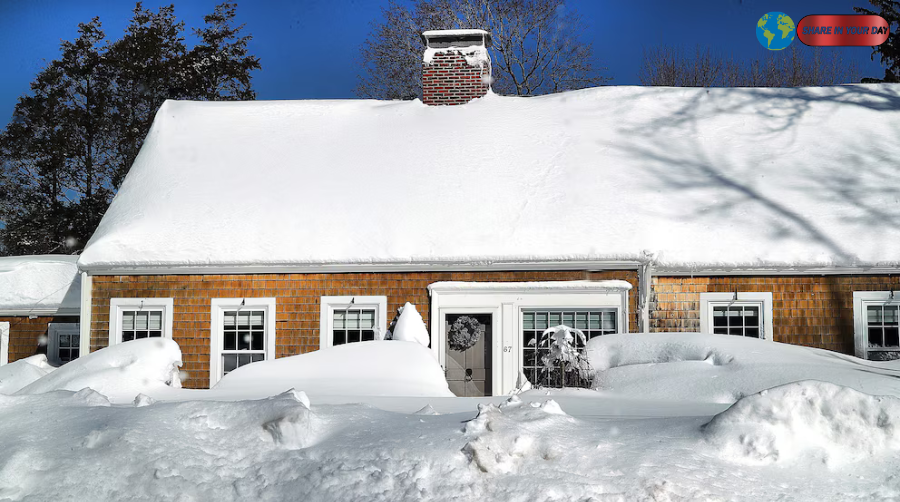
According to a report from the National Energy Assistance Directors Association (NEADA), U.S. households are expected to spend an average of $1,030 on home heating this winter. That figure represents an 8.7% increase from the previous year, highlighting the financial challenges facing families as colder weather approaches.
Households that rely on heating oil could face a substantially larger increase. NEADA projects an average price increase of 31.3% compared with last year, while customers who depend on natural gas are expected to see costs rise by 5.8%.
The projected increases come amid a global oil supply disruption linked to the war involving Iran. Higher energy prices have already affected transportation and other parts of the economy, and analysts warn that the impact could extend to household heating bills in the coming months.
ABC News
Rising Heating Costs Could Outpace Inflation
The expected increase in heating bills represents a new challenge for consumers who are already facing higher prices across several categories.
ABC News reported that heating costs are expected to rise at more than twice the pace of overall inflation, based on the NEADA projections for different fuel sources. The impact will vary depending on the type of heating system households use and the region in which they live.
David Konisky, a political science professor at Indiana University and co-director of the Energy Justice Lab, described the anticipated costs as unusually high.
“The costs we’re expecting are unusually high this winter,” Konisky told ABC News.
His comments reflect concerns about how energy expenses could affect families that have limited financial flexibility. Heating is a basic household necessity, meaning consumers may have fewer opportunities to avoid the additional expense when temperatures decline.
The pressure could be particularly significant for families that are already allocating more of their income to groceries, transportation, housing and other essential needs.
Although the precise cost of heating will depend on market conditions and weather patterns, the projections indicate that some households may face a difficult winter budgeting period.
ABC News
Why Heating Oil Prices Are Rising
The projected increase in heating costs is closely connected to disruptions in global oil supplies.
According to ABC News, the conflict involving Iran led to a near-closure of the Strait of Hormuz, a major maritime route through which approximately one-fifth of global crude oil supply passes. The disruption contributed to a significant reduction in available oil supplies and pushed prices higher.
The report said global oil prices stood at approximately $103 per barrel on Friday afternoon, nearly 50% above their pre-war level.
The increase in crude oil prices has also affected diesel and gasoline markets. AAA data cited by ABC News showed that the average price of regular gasoline had reached $4.46 per gallon, while diesel prices had climbed to a record high.
Heating oil is derived from petroleum, meaning changes in crude oil prices can affect the cost of fuel used by households. However, the final price paid by consumers also depends on regional supply, transportation expenses, seasonal demand and other market factors.
For households in the northeastern United States, where heating oil remains an important source of home heating, the increase could become a significant financial concern as temperatures fall.
ABC News
Maine Households Face Significant Fuel Increases
Maine provides an example of the financial pressure that rising heating oil prices can create.
The Maine Department of Energy Resources reported that the average heating oil price in the state had reached $5.77 per gallon, representing a 74% increase from the previous year.
At that price, residents could face substantially higher expenses when filling their home heating tanks. The department estimated that filling a standard 275-gallon tank to capacity would cost nearly $675 more than it did a year earlier.
The increase is particularly concerning for households that depend on heating oil throughout the winter. Unlike some energy consumers who may have access to different heating sources, families with oil-based systems can face substantial expenses when fuel prices rise.
Alicia Fasulo, director of heating assistance at The Opportunity Alliance, a nonprofit organization in southern Maine, said many low-income families were extremely concerned about approaching winter costs.
She explained that families may have to make difficult decisions about whether to pay for groceries, medications, electricity or fuel.
Her comments illustrate how higher heating expenses can affect household financial priorities. When energy costs rise sharply, families with limited savings may have to reconsider spending on other necessities.
ABC News
Low-Income Families Face Difficult Financial Choices
The impact of rising heating costs is not evenly distributed among American households.
Families with higher incomes may have greater access to savings or other financial resources to manage increased fuel bills. By contrast, lower-income households can face more immediate challenges when heating expenses rise.
Fasulo said the families served by her organization regularly face difficult decisions during the winter season. However, she described current fuel prices as the highest she had encountered during her seven years working with the heating assistance program.
The challenges extend beyond the heating bill itself. Households must continue paying for food, medical expenses, electricity and other essential services, even when energy prices increase.
A sharp rise in fuel costs can therefore place additional pressure on already constrained budgets. The consequences may be especially difficult for older adults, families with children and individuals who rely on fixed or limited incomes, although the effects vary by household circumstances.
Konisky also pointed to the gap between the demand for assistance and the resources available to meet it. His assessment suggests that existing support programs may not reach every household that qualifies for help.
ABC News
Federal Heating Assistance Program Offers Support
The Low Income Home Energy Assistance Program, commonly known as LIHEAP, is one source of support available to eligible households.
The federally funded program provides assistance to help qualifying families manage home energy expenses. ABC News reported that the program receives approximately $4 billion in annual funding.
The Opportunity Alliance assists thousands of applicants each year, according to Fasulo. She described the program as a major source of help for families facing heating-related financial difficulties.
However, access to assistance remains limited. Konisky told ABC News that only approximately one in five eligible households nationwide receives support from the program each year.
The limited reach reflects a broader challenge: demand for energy assistance can exceed available resources. When heating costs increase, more families may seek support, potentially placing additional pressure on assistance programs.
Eligibility requirements, funding availability and application procedures can vary. Households seeking assistance should check official government resources and local energy assistance organizations for current information.
The existence of a support program does not guarantee that every household facing higher costs will receive assistance. That gap remains a significant concern as winter approaches.
ABC News
Inflation Continues to Pressure Household Budgets
Rising heating costs are expected to add to existing inflation-related concerns.
The annual inflation rate stood at 3.4% in August, according to the figures cited in the ABC News report. That rate remained above the Federal Reserve’s 2% inflation target.
Inflation measures the rate at which prices increase over time. When inflation remains elevated, households may find that their income does not stretch as far as it did previously, particularly when essential expenses increase.
Energy prices can influence household budgets directly through heating and transportation costs. They can also affect businesses, which may pass higher energy expenses through to the prices of goods and services.
The relationship between oil prices and inflation is not always immediate or uniform. Different energy sources respond to different market conditions, and the effect on consumers depends on regional circumstances.
Nevertheless, the prospect of higher heating expenses adds another source of uncertainty for families preparing for the winter season.
ABC News
Weather Conditions Could Affect Final Heating Bills
While the projections point to higher heating costs, the final amount households spend this winter remains uncertain.
Weather conditions will play a role in determining energy consumption. A warmer-than-usual winter could reduce demand for heating, while prolonged periods of cold weather could increase the amount of fuel households use.
ABC News also noted that El Niño could contribute to warmer-than-usual temperatures, potentially affecting heating demand.
The actual price of heating oil may also fluctuate in response to changes in global supply, market conditions and geopolitical developments. Consequently, the average projected expenditure should not be interpreted as a fixed bill that every household will pay.
Consumers using different heating systems may experience different price changes. Natural gas customers, for example, face a projected increase that is considerably lower than the expected rise for heating oil users.
The combination of fuel prices, local weather and household energy consumption will determine the final cost for individual families.
ABC News
Energy Market Disruptions Create Broader Economic Risks
The heating cost outlook demonstrates how international events can affect everyday household expenses.
The disruption to global oil supplies linked to the Iran conflict has contributed to higher energy prices. Those changes have extended beyond crude oil markets, affecting transportation fuels and raising concerns about other energy-related expenses.
Oil supply disruptions can create uncertainty for consumers and businesses. When fuel prices increase, transportation costs may rise, and businesses may face higher operating expenses.
The impact on inflation depends on the duration and severity of the disruption, as well as how energy markets respond over time.
For households, however, the immediate concern is often the cost of maintaining essential services. Heating bills are a particularly important expense during the winter because families need to maintain safe indoor temperatures.
The financial impact of the energy shock will differ depending on household income, heating fuel and geographic location.
ABC News
What Households Can Consider Before Winter
As heating expenses are expected to rise, households may wish to prepare for the possibility of higher energy bills.
Several practical steps may help consumers understand and manage their energy costs:
- Review heating expenses: Examine previous winter bills to estimate potential changes in spending.
- Check assistance eligibility: Contact local energy assistance organizations to determine whether support is available.
- Monitor fuel prices: Follow local heating oil and natural gas prices when planning purchases.
- Review household energy use: Consider whether maintenance or efficiency improvements may help reduce unnecessary consumption.
- Plan for uncertainty: Allow room in the household budget for changes in fuel prices and weather conditions.
These steps cannot eliminate higher fuel prices, but they may help households prepare for possible increases.
Consumers should also distinguish between projected average costs and their own expected expenses. A household’s heating bill depends on factors such as home size, insulation, heating equipment and local temperatures.
The most appropriate preparation strategy will therefore vary from one household to another.
Outlook for the Winter Heating Season
The coming winter is expected to present financial challenges for many U.S. households, particularly those that depend on heating oil.
NEADA’s projection of an average $1,030 heating expense highlights the potential burden of higher energy costs. The projected 31.3% increase for heating oil users demonstrates the uneven effect that fuel prices may have across different households.
At the same time, uncertainty remains. Changes in global oil markets and winter weather conditions could influence actual consumer expenses.
The availability of energy assistance will also remain an important consideration for families with limited financial resources. Programs such as LIHEAP can provide support, but the reported gap between eligible households and recipients indicates that not all families in need are guaranteed assistance.
For policymakers, energy organizations and community groups, the projected increase underscores the importance of monitoring household affordability as winter approaches.
For consumers, the immediate challenge will be managing heating expenses alongside other essential costs during a period of elevated inflation.
Conclusion
Rising heating costs are expected to add further pressure to U.S. household budgets this winter, with the National Energy Assistance Directors Association projecting an average heating expense of $1,030 per household.
Heating oil users face a particularly sharp projected increase, while natural gas customers are also expected to experience higher costs. The outlook is closely linked to disruptions in global oil supplies and elevated energy prices.
Families with limited incomes may face difficult decisions as they balance heating, food, electricity and other essential expenses. Federal assistance programs offer support, but access remains limited relative to the number of eligible households.
Although final heating bills will depend on fuel prices and weather conditions, the projections provide an early warning of potential financial challenges during the coming winter season.