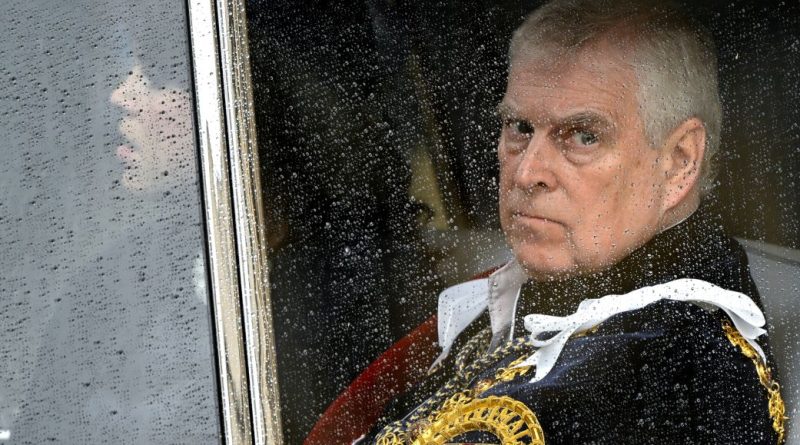
Former Prince Andrew’s Arrest Casts Shadow Over Royal Family
The arrest of Prince Andrew has sent shockwaves through Britain’s constitutional monarchy, deepening a crisis that has been years in the making and raising uncomfortable questions about public trust in the institution itself.
For generations, the Royal Family has relied on a careful balance of tradition, symbolism and public goodwill. Now, with a senior royal formally detained by police, that balance faces one of its sternest tests in modern history.
An Unprecedented Moment
Andrew — stripped of his royal titles but still widely known by his former rank — became the first senior member of the monarchy in recent memory to be arrested. The development followed renewed scrutiny over his past associations with the late financier and convicted sex offender Jeffrey Epstein.
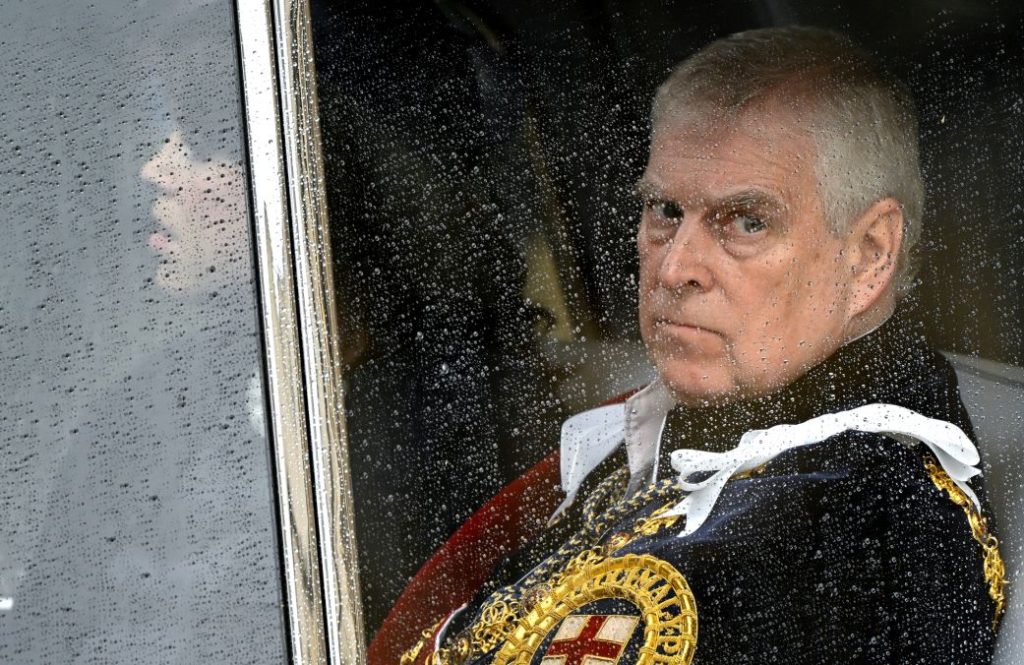
The arrest, reportedly linked to allegations of misconduct in public office during Andrew’s tenure as the UK’s trade envoy, represents a dramatic escalation in a saga that has steadily eroded his standing.
Buckingham Palace moved swiftly to distance the institution from the legal process. In a rare and direct intervention, King Charles III stated that “the law must take its course,” signaling that no royal shield would be raised.
The clarity of the message was notable. So too was the silence that followed.
A Reputation in Freefall
Andrew’s fall from grace has unfolded in stages.
His friendship with Epstein cost him his trade envoy role in 2011. A controversial television appearance on Newsnight in 2019 — intended to clear his name — instead intensified scrutiny and public disbelief. He later reached a civil settlement with Epstein accuser Virginia Giuffre without admitting liability.
Each episode chipped away at his credibility. Titles were relinquished. Military patronages withdrawn. Public appearances ceased.
Yet arrest marks a threshold few believed the monarchy would cross.
The Institution Versus the Individual
The Royal Family has long sought to present itself as separate from the personal failings of its members. That distinction is now under strain.
Opinion polls in recent years have shown steady support for the monarchy, particularly under Charles’s reign. But the Andrew affair touches on deeper sensitivities: privilege, accountability and whether elite figures are subject to the same legal standards as ordinary citizens.
For critics of the monarchy, the episode reinforces arguments that inherited power sits uneasily in a modern democracy. For supporters, the King’s firm statement may demonstrate precisely the opposite — that even those born into the highest rank are not beyond the reach of the law.
The outcome of Andrew’s legal process will likely shape which interpretation prevails.
Public Confidence at Stake
The broader context matters. Revelations from court documents related to Epstein have fueled public anger about networks of influence and wealth perceived as operating without consequence. Against that backdrop, Andrew’s arrest resonates beyond palace walls.
It also presents a communications challenge for the monarchy. Any appearance of interference would risk severe backlash; too much detachment, however, may seem cold or evasive.
Royal aides are understood to be determined to protect the institution’s core: continuity, duty and constitutional neutrality. But images of a once-senior prince entering police custody are difficult to reconcile with the mystique that has long surrounded the Crown.
A Defining Test for the Crown
For King Charles, still shaping the tone of his reign, the episode represents a defining moment. His insistence that the law proceed unimpeded may prove crucial in preserving credibility.
Yet the shadow cast by Andrew’s arrest is unlikely to fade quickly. Legal proceedings could stretch for months, perhaps longer, prolonging headlines the Palace would rather avoid.
The monarchy has survived abdications, divorces and scandals before. Its endurance has often depended on a capacity to adapt — and to persuade the public that it stands above individual misjudgment.
Whether that resilience holds in the wake of this arrest will determine not only Andrew’s personal legacy, but also how firmly the Royal Family remains anchored in public confidence.