Pickaxe Mountain: Why Trump Is Threatening to Strike Iran Again
Pickaxe Mountain has once again become the center of the escalating confrontation between the United States and Iran after President Donald Trump warned that Washington could strike the heavily fortified Iranian site “very soon.”
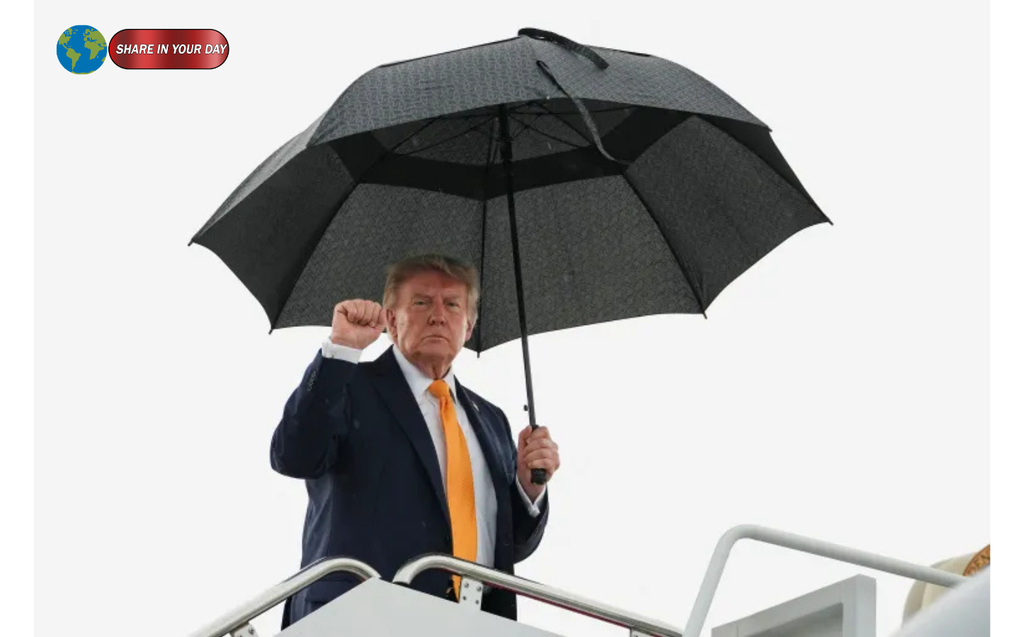
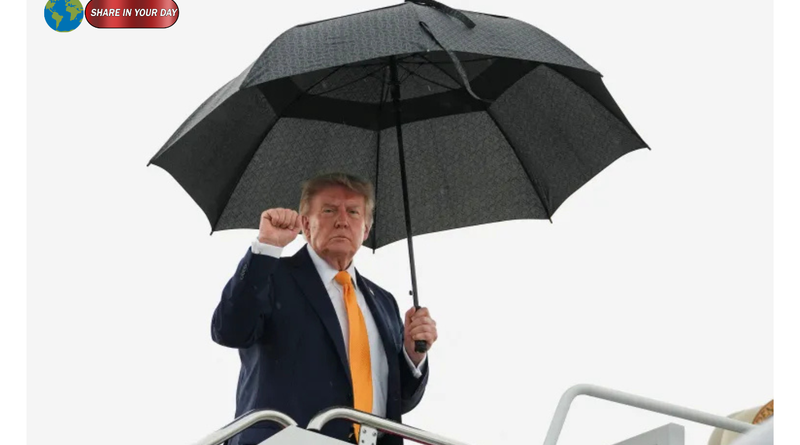
Trump made the comments on Friday, September 4, as tensions remained high between Washington and Tehran. The site, located near Iran’s better-known Natanz nuclear complex, has attracted increasing attention because of its deeply buried underground facilities and suspected connection to Iran’s nuclear infrastructure.
The latest threat comes after months of military confrontation between the United States and Iran.
It also raises a major question: Why is Pickaxe Mountain so important that Trump is again threatening to attack it?
The answer involves Iran’s nuclear infrastructure, the difficulty of destroying deeply buried facilities and Washington’s broader effort to prevent Tehran from rebuilding nuclear capabilities.
Pickaxe Mountain Is a Heavily Fortified Underground Site
Pickaxe Mountain is an informal name used for a fortified Iranian underground facility near Natanz in central Iran.
The location is believed to contain deeply buried tunnel complexes. Its underground construction makes it considerably harder to attack than conventional above-ground nuclear facilities.
The site’s proximity to Natanz is one reason it has attracted international attention.
Natanz has long been one of Iran’s most important uranium-enrichment locations. After earlier attacks damaged parts of Iran’s nuclear infrastructure, concerns increased that Tehran could move sensitive equipment or nuclear materials to facilities that are more difficult to reach.
Reuters reported that the United States believes Pickaxe Mountain contains highly sensitive Iranian nuclear-related material.
Iran, however, has disputed claims about the nature and purpose of the facility.
That disagreement is central to the current confrontation.
Why Trump Is Threatening Pickaxe Mountain Again
Trump’s latest warning is not the first time he has publicly threatened the facility.
In July, Trump also warned that the United States could attack Pickaxe Mountain, describing it as an important Iranian site. Al Jazeera reported at the time that the facility had become a focus of US concerns because of its underground construction and proximity to Natanz.
Trump’s renewed threat comes after the United States and Iran have remained locked in a prolonged military confrontation.
On Friday, Trump said the United States could strike the facility “very soon.” The comments were made while he was also attempting to characterize the wider conflict as relatively limited.
The combination of those statements is significant.
Washington is signaling that military operations could continue even as the administration seeks to portray the broader conflict as manageable.
Pickaxe Mountain Is Different From Natanz
It is important to distinguish Pickaxe Mountain from Natanz.
Natanz is a major Iranian uranium-enrichment complex that has been monitored internationally for years.
Pickaxe Mountain, by contrast, refers to a much more secretive and heavily protected underground location near Natanz.
The concern is that underground facilities could provide Iran with a way to preserve important nuclear capabilities even after attacks against more exposed infrastructure.
That creates a major military problem.
Destroying an above-ground building is relatively straightforward compared with attempting to damage facilities buried deep underground beneath rock.
This is one reason Pickaxe Mountain has become a particularly sensitive target.
The Underground Construction Creates a Military Challenge
The deeper a facility is buried, the harder it can be to destroy from the air.
Military planners have specialized bunker-busting weapons designed to penetrate hardened underground targets. However, even powerful weapons have limitations.
The exact depth, layout and construction of Pickaxe Mountain remain difficult for the public to determine.
That uncertainty matters.
An attack could potentially damage entrances, tunnels, equipment and infrastructure without necessarily destroying everything inside.
It could also create unintended consequences if nuclear-related materials were damaged or dispersed.
Therefore, a decision to strike the site would involve military as well as political and environmental calculations.
The Nuclear Question Is at the Heart of the Threat
The main issue behind Trump’s warning is Iran’s nuclear program.
Washington has repeatedly said it will not allow Iran to acquire a nuclear weapon.
The United States has therefore targeted or threatened facilities that it believes could contribute to Iran’s ability to enrich uranium or preserve nuclear-related capabilities.
Pickaxe Mountain has become particularly important because of concerns that Iran could use underground facilities to maintain or rebuild parts of its nuclear program.
Reuters reported that US officials believe Iran has moved highly enriched uranium-related material to the underground location. However, the full picture remains difficult to establish publicly.
This creates a dangerous information gap.
The United States may possess intelligence that cannot be publicly disclosed, while international inspectors may not have full access to the site.
What Does Iran Say About the Facility?
Iran has rejected some Western claims about its nuclear facilities.
Tehran has repeatedly maintained that its nuclear program is intended for peaceful purposes.
Iran’s government has also criticized US and Israeli military attacks as violations of its sovereignty.
The dispute has therefore become more than a technical disagreement over nuclear equipment.
It is now part of a much broader confrontation involving military power, regional security, sanctions and control of strategic infrastructure.
Why the Timing Matters
Trump’s renewed threat comes at a particularly sensitive moment.
The United States and Iran remain engaged in a dangerous cycle of military pressure.
Recent developments have included attacks around the Persian Gulf and Strait of Hormuz, while the United States has continued to threaten additional strikes.
Al Jazeera reported on September 5 that an Iranian oil tanker near Kharg Island had been hit by several US missiles, according to Iranian reports. The incident adds another layer of risk to an already volatile regional situation.
Any new attack on Pickaxe Mountain could therefore have consequences beyond the nuclear issue.
Iran could retaliate against US forces or regional partners.
It could also respond against shipping interests in the Gulf.
That is why the possibility of a strike is being closely watched by governments across the Middle East.
Pickaxe Mountain and the Strait of Hormuz
The nuclear confrontation cannot easily be separated from the broader conflict.
The Strait of Hormuz is one of the world’s most important energy shipping routes.
Any major escalation between Washington and Tehran could affect commercial shipping and global energy markets.
Earlier fighting has already contributed to uncertainty surrounding oil supplies and maritime security.
A new US strike against an important Iranian nuclear facility could increase the risk of Iranian retaliation.
That could potentially affect shipping routes, energy infrastructure and regional military bases.
The consequences would therefore extend well beyond Iran’s borders.
Could the United States Actually Strike Pickaxe Mountain?
Trump’s statement does not necessarily mean an attack is imminent.
Presidents sometimes use threats as part of diplomatic and military pressure without immediately carrying them out.
However, the repeated references to Pickaxe Mountain suggest that Washington considers the facility strategically important.
Trump first raised the possibility of attacking the location months ago. His latest comments show that the option remains under consideration.
Whether the United States actually launches an attack would depend on several factors.
These could include intelligence about what is inside the facility, assessments of Iran’s nuclear capabilities, military planning, potential civilian consequences and the expected Iranian response.
What Would a Strike Try to Accomplish?
A US attack would presumably seek to prevent Iran from using Pickaxe Mountain to preserve or rebuild nuclear capabilities.
The objective could be to damage underground infrastructure, destroy equipment or make the facility unusable for a period of time.
But destroying a facility is not necessarily the same as eliminating a country’s nuclear knowledge.
Iran has spent decades developing nuclear expertise.
Even if physical infrastructure were destroyed, scientists and engineers could potentially rebuild components elsewhere.
That is one of the biggest challenges facing any military strategy aimed at permanently ending Iran’s nuclear capabilities.
Could an Attack Make the Situation Worse?
Yes.
A strike could potentially achieve a short-term military objective while creating new strategic problems.
Iran could respond with missile or drone attacks.
It could threaten US military installations or regional allies.
It could also increase pressure around the Strait of Hormuz.
And if the attack caused damage involving nuclear material, concerns about environmental or radioactive contamination could intensify.
That means the consequences would depend not only on whether the facility was successfully hit but also on what happens afterward.
The Risk of a Wider Regional Escalation
The United States is not operating in isolation.
American forces are deployed throughout the Middle East, while Iran has relationships with armed groups and military partners across the region.
An attack on Pickaxe Mountain could therefore trigger responses in multiple theaters.
The situation is particularly sensitive because recent fighting has already involved shipping, Gulf states and other regional actors.
The risk is that one military action could generate a chain reaction.
That possibility is one reason governments and international organizations continue to emphasize diplomacy alongside military deterrence.
What Happens to Iran’s Nuclear Program After the War?
This may ultimately be the most important question.
Even if Pickaxe Mountain were severely damaged, Iran’s nuclear ambitions and technical expertise would not necessarily disappear.
The international community would still face the challenge of monitoring Iran’s nuclear activities.
International inspectors would need access to relevant facilities and information to determine what nuclear materials remain and where they are located.
Without reliable inspections, uncertainty could increase.
And uncertainty itself can become a source of conflict.
Why International Monitoring Matters
The International Atomic Energy Agency has historically played a major role in monitoring Iran’s nuclear program.
Its inspectors rely on access to facilities, surveillance systems, documentation and cooperation from Iranian authorities.
When access becomes restricted because of military conflict, the international community has a harder time determining exactly what is happening inside underground facilities.
That creates a difficult situation.
Governments may rely increasingly on intelligence estimates rather than independently verified inspections.
If those assessments differ, the risk of miscalculation increases.
Trump’s “Very Soon” Warning Raises Pressure
The most immediate significance of Trump’s latest comments is that Pickaxe Mountain is once again at the center of US military planning.
Reuters reported that Trump said the United States may “hit” the facility soon.
That does not establish that an attack will happen.
But it does demonstrate that the option remains active.
For Iran, the threat creates pressure to protect its remaining nuclear infrastructure.
For the United States, delaying action could allow Iran to further secure equipment or materials underground.
That creates a classic strategic dilemma.
The longer Washington waits, the more difficult a potential strike could become.
But striking immediately could produce a broader regional escalation.
What to Watch Next
Several developments will be particularly important in the coming days.
1. US Military Movements
Any significant movement of US aircraft, naval forces or specialized weapons could attract attention.
However, military movements alone would not prove that an attack has been ordered.
2. Iranian Nuclear Activity
Reports about uranium stockpiles, enrichment equipment or activity at underground facilities will remain closely watched.
3. Iranian Retaliation
If Washington conducts another major strike, Tehran’s response could determine whether the confrontation expands.
4. Strait of Hormuz
Shipping activity and attacks around the waterway could provide an important indicator of regional escalation.
5. Diplomatic Contacts
Despite military threats, diplomatic channels could still provide a way to reduce tensions.
A negotiated arrangement over Iran’s nuclear program could ultimately be less destructive than continued attacks.
Pickaxe Mountain Has Become a Symbol of the Nuclear Standoff
Pickaxe Mountain represents one of the hardest problems in the US-Iran confrontation.
The site is underground, heavily fortified and surrounded by uncertainty about exactly what capabilities it contains.
For Trump, threatening the facility sends a clear message that Washington believes Iran must not be allowed to preserve a nuclear capability that could eventually support weapons development.
For Iran, an attack would represent another major assault on its sovereignty and nuclear infrastructure.
For the wider region, the danger is escalation.
A strike could potentially damage an important nuclear facility. But it could also trigger retaliation, threaten shipping and make diplomatic negotiations even more difficult.
The coming days will therefore be critical.
Trump’s statement that the United States could strike Pickaxe Mountain “very soon” has once again placed the mysterious underground site at the center of the Iran crisis.
Whether the threat remains a warning or becomes a military operation could shape the next phase of the conflict.