North Korea Missile Launch: 7 Shocking Facts Revealed
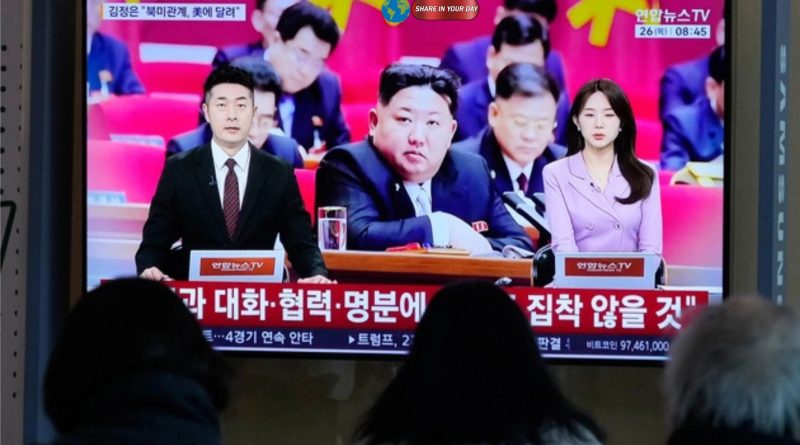
The latest North Korea missile launch has triggered renewed global concern after Pyongyang fired multiple short-range ballistic missiles toward the sea, escalating tensions across East Asia. The launch, confirmed by South Korea, Japan, and the United States, marks another step in North Korea’s ongoing weapons development strategy in 2026.
This incident is not isolated. Instead, it forms part of a broader pattern of intensified military activity that analysts say could reshape regional security dynamics in the coming months.
Below are seven key facts that explain what happened, why it matters, and what could come next.
1. Multiple Missiles Fired Toward the East Sea
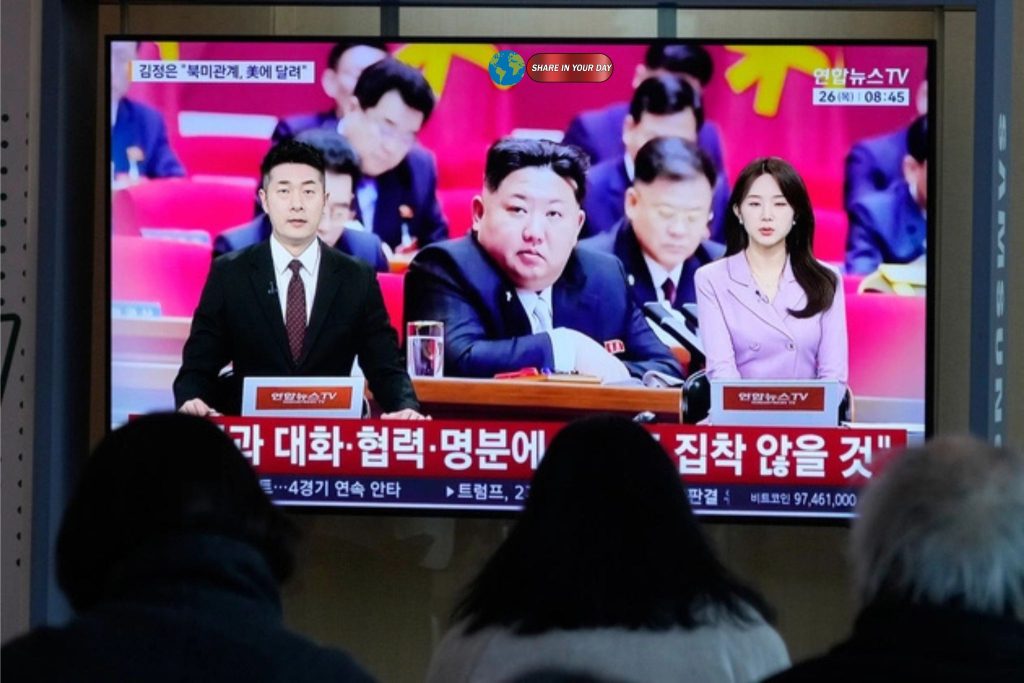
According to South Korea’s military, the North Korea missile launch involved several short-range ballistic missiles fired from the Sinpo region on the country’s east coast.
The missiles traveled approximately 140 kilometers (87 miles) before landing in waters off the Korean Peninsula.
Japan confirmed the launches but reported that the projectiles did not enter its exclusive economic zone, reducing immediate risk to Japanese territory.
2. Seventh Missile Test in 2026
This latest North Korea missile launch is part of a rapidly escalating testing schedule.
- 7th missile test in 2026
- 4th launch in April alone
Such frequency signals a clear acceleration in weapons development. Analysts say this pace reflects Pyongyang’s determination to strengthen its military capabilities despite international sanctions.
3. Possible Submarine-Launched Capability
One of the most concerning aspects of this North Korea missile launch is the possibility that the missiles were fired from a submarine.
If confirmed, this would represent North Korea’s first submarine-launched ballistic missile (SLBM) test in several years.
Submarine launches are particularly dangerous because they are harder to detect and can be deployed closer to targets, reducing response time for defense systems.
4. Clear Violation of UN Resolutions
The missile tests have been widely condemned as violations of United Nations Security Council resolutions, which prohibit North Korea from conducting ballistic missile activities.
South Korea, Japan, and the United States all issued strong responses:
- South Korea called it a “provocation”
- Japan labeled it a threat to regional stability
- The U.S. reaffirmed its security commitments in the region
Despite these warnings, North Korea continues to argue that its weapons program is necessary for self-defense.
5. Timing Linked to Regional Diplomacy
The timing of the North Korea missile launch appears strategic.
The test occurred just as diplomatic activity in Asia was increasing, including:
- Planned international visits by South Korean leadership
- Upcoming high-level discussions involving global powers
Experts believe Pyongyang often uses missile tests to gain leverage ahead of negotiations, signaling strength while pressuring rivals.
6. Part of Broader Military Expansion
The launch is not an isolated event but part of a larger military buildup.
Recent developments include:
- Cruise and anti-ship missile tests
- Expansion of nuclear capabilities
- Increased activity at nuclear facilities
North Korean leader Kim Jong Un has repeatedly emphasized the need to expand nuclear forces, calling them essential for national security.
7. Rising Regional and Global Tensions
The North Korea missile launch comes at a time of already heightened global instability.
Ongoing geopolitical tensions — including conflicts in other parts of the world — are increasing the risk of miscalculation. Analysts warn that repeated missile tests could:
- Trigger stronger military responses
- Accelerate arms development in neighboring countries
- Undermine diplomatic efforts
South Korea has already increased its surveillance posture and is coordinating closely with U.S. and Japanese forces.
Why This Missile Launch Matters
The significance of the North Korea missile launch goes beyond the immediate event. It highlights several critical trends shaping global security.
Increased Military Sophistication
North Korea continues to refine its missile technology, including solid-fuel systems and potential hypersonic capabilities.
Strategic Messaging
Each launch sends a clear signal: Pyongyang intends to remain a nuclear-armed state and will not easily return to denuclearization talks.
Pressure on Regional Alliances
The situation is strengthening military cooperation between South Korea, Japan, and the United States.
How the World Is Responding
Global reactions have been swift and coordinated.
South Korea
Seoul has placed its military on high alert and is conducting real-time monitoring of North Korean activity.
Japan
Tokyo issued formal protests and reinforced missile defense readiness.
United States
Washington reaffirmed its commitment to defending allies and is closely tracking developments.
These responses underline the seriousness of the North Korea missile launch and its implications for regional stability.
Could This Lead to Conflict?
While a full-scale conflict remains unlikely, the risk of escalation is rising.
Several factors increase concern:
- Frequent missile testing
- Growing nuclear capabilities
- Reduced diplomatic engagement
However, there are also factors that may prevent escalation:
- Strong international deterrence
- Economic constraints on North Korea
- Ongoing backchannel diplomacy
The situation remains highly unpredictable.
The Bigger Picture: North Korea’s Long-Term Strategy
The North Korea missile launch reflects a long-term strategy focused on three key goals:
1. Strengthening Nuclear Deterrence
North Korea sees nuclear weapons as essential to regime survival.
2. Gaining Diplomatic Leverage
Missile tests often precede negotiations, allowing Pyongyang to negotiate from a position of strength.
3. Advancing Military Technology
Continued testing helps improve accuracy, range, and survivability of its missile systems.
What Happens Next?
Looking ahead, several scenarios are possible:
- More missile tests in the coming weeks
- Stronger sanctions or diplomatic pressure
- Renewed negotiations, especially if tensions stabilize
Much will depend on how regional powers respond and whether diplomatic channels remain open.
Conclusion
The latest North Korea missile launch is a stark reminder of the fragile security environment in East Asia. With multiple missiles fired, potential submarine capabilities, and rising geopolitical tensions, the situation demands close global attention.
While no immediate damage has been reported, the broader implications are significant. The launch underscores North Korea’s continued push to expand its military power — and the growing challenge it poses to regional and international stability.
As 2026 unfolds, the world will be watching closely to see whether this escalation leads to confrontation or opens the door to renewed diplomacy.