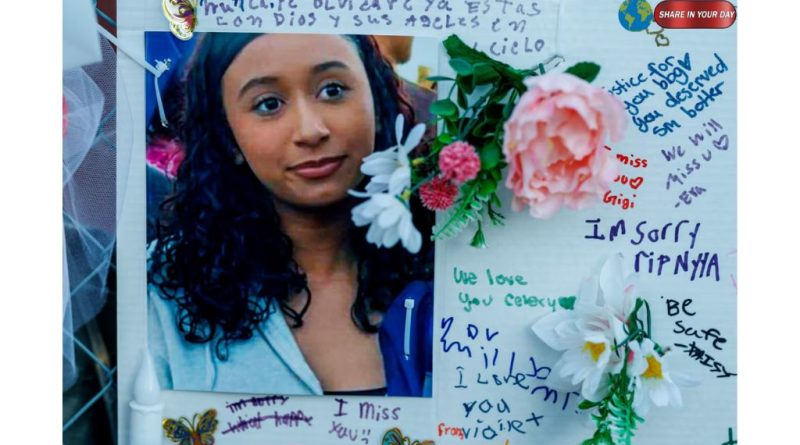
D4vd Murder Case Timing: Why Charges Took Months to File
The D4vd murder case timing has raised serious questions across the United States, as authorities took several months to formally charge the rising musician in a high-profile and disturbing case. The delay between the discovery of the victim and the filing of charges has sparked public debate, confusion, and intense media scrutiny.
According to investigators, the timing was not due to inaction — but rather the complexity of the case, the nature of the evidence, and the legal strategy required to ensure a strong prosecution.
What Happened in the Case?
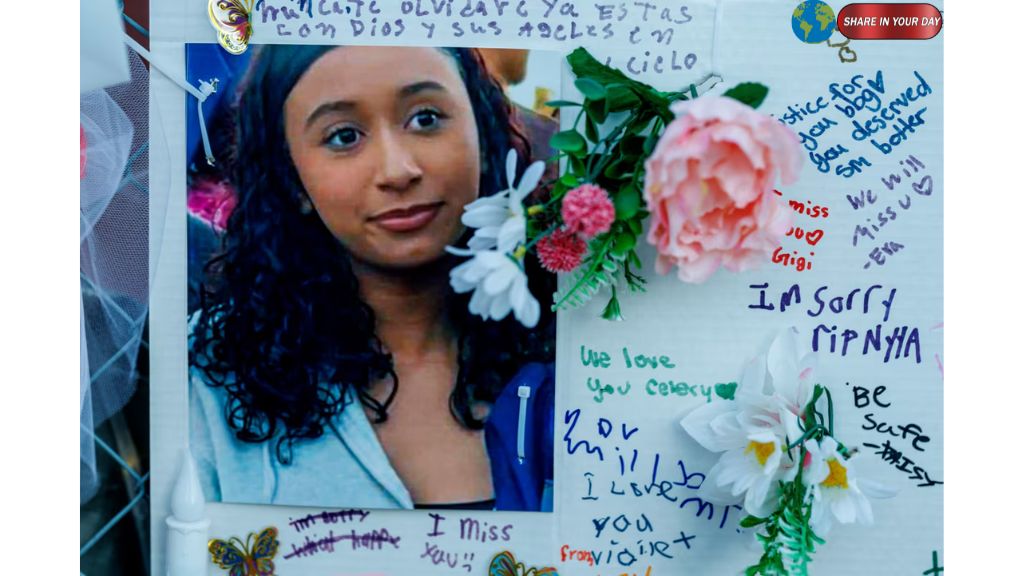
The case centers on David Burke, a 21-year-old musician accused of killing 14-year-old Celeste Rivas Hernandez.
Prosecutors allege that:
- He engaged in an illegal relationship with the victim when she was underage
- He later killed her to prevent exposure
- He attempted to conceal the crime by mutilating the body
Her remains were discovered in September 2025 inside a Tesla linked to the suspect, months after she was last seen alive.
The case shocked the public due to its severity and the suspect’s growing fame in the music industry.
Timeline: From Discovery to Charges
Understanding the D4vd murder case timing requires examining the full sequence of events:
- 2024: Victim reported missing at age 13
- April 2025: Last known contact before alleged murder
- September 2025: Body discovered in vehicle
- Late 2025: Investigation intensifies, suspect identified
- Early 2026: Grand jury proceedings begin
- April 2026: Arrest and formal charges filed
This gap — particularly the seven months between discovery and arrest — is at the heart of public concern.
1. Forensic Complexity Slowed Progress
One of the biggest reasons for the delay was the condition of the evidence.
Authorities had to analyze:
- Decomposed and dismembered remains
- Possible cause of death
- DNA and trace evidence
In such cases, forensic analysis can take months. Investigators must ensure that every detail is accurate before presenting it in court.
This is especially important in cases involving potential capital punishment.
2. Cause of Death Was Not Immediately Clear
Reports indicate that the exact cause of death was initially unclear and required further examination.
Even in high-profile cases, prosecutors cannot proceed without:
- A confirmed cause of death
- A clear link between suspect and act
Without these elements, charges may not hold up in court.
3. Digital Evidence Took Time to Build
Modern investigations rely heavily on digital footprints.
In this case, authorities reportedly examined:
- Messages and communications
- Location data
- Timeline reconstruction
Building a digital case is time-intensive but crucial, especially when direct witnesses are limited.
4. Grand Jury Proceedings Played a Key Role
A major factor in the D4vd murder case timing was the use of a grand jury.
A grand jury:
- Reviews evidence in secret
- Determines if charges should be filed
- Strengthens the prosecution’s case
The process can take months but is often used in complex or high-profile cases.
5. Prosecutors Prioritized a Strong Case
Legal experts emphasize a critical point:
👉 It is better to delay charges than risk a weak prosecution
Filing too early can lead to:
- Case dismissal
- Insufficient evidence at trial
- Acquittal
In this case, authorities appear to have waited until they had a comprehensive body of evidence.
6. Sensitive Allegations Required Careful Handling
The case involves serious allegations beyond murder, including:
- Sexual abuse of a minor
- Mutilation of human remains
These charges require additional evidence and careful legal handling.
Prosecutors must ensure that each charge is supported independently, adding to the overall timeline.
7. High-Profile Status Increased Scrutiny
Because the suspect is a public figure, the case has drawn intense media attention.
This creates additional pressure on authorities to:
- Avoid procedural mistakes
- Ensure transparency
- Build a case that withstands public and legal scrutiny
High-profile cases often move slower for this reason.
Charges and Legal Consequences
D4vd faces multiple serious charges, including:
- First-degree murder
- Continuous sexual abuse of a minor
- Mutilation of human remains
Some charges include “special circumstances,” such as killing a witness or acting for personal gain, which could lead to life imprisonment or the death penalty if convicted.
He has pleaded not guilty and remains in custody without bail.
Why Timing Matters in Criminal Justice
The D4vd murder case timing highlights a broader principle in criminal law:
👉 Strong cases take time to build
Rushed prosecutions can fail, especially when:
- Evidence is complex
- Multiple charges are involved
- Public pressure is high
In contrast, a carefully constructed case increases the likelihood of conviction.
Public Reaction and Ongoing Investigation
The case has sparked widespread reaction, including outrage, grief, and calls for justice.
Meanwhile, investigators continue to:
- Analyze remaining evidence
- Prepare for trial
- Respond to legal motions from the defense
The case is far from over, and new details may emerge in the coming months.
Key Takeaways
The D4vd murder case timing can be explained by several critical factors:
- Complex forensic evidence required time
- Cause of death needed confirmation
- Digital evidence had to be reconstructed
- Grand jury proceedings delayed public charges
- Prosecutors waited to build a strong case
Together, these elements explain why authorities did not act immediately — despite public expectations.
Conclusion: A Deliberate, Not Delayed, Process
At first glance, the delay in the D4vd murder case timing may seem unusual. However, a closer look reveals a deliberate strategy by investigators and prosecutors.
Rather than rushing to file charges, authorities focused on building a comprehensive, legally sound case — one that can withstand scrutiny in court.
While the timeline has raised questions, it ultimately reflects the complexity of modern criminal investigations.
As the legal process unfolds, the case will likely remain in the spotlight, serving as a powerful example of how justice systems balance speed with accuracy.
Image ALT Text
D4vd murder case timing investigation showing evidence and court process