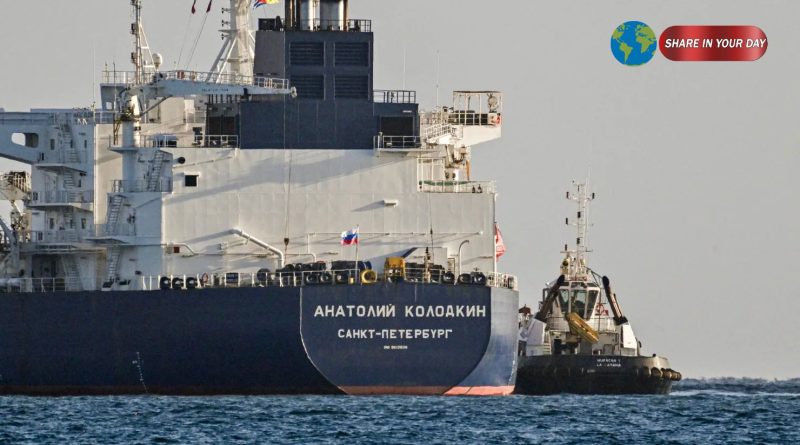
Oil Price Outlook Clouded After Iran Ceasefire Extension
The global oil price outlook has entered a new phase of uncertainty following the extension of a fragile ceasefire between the United States and Iran. While the move initially eased fears of immediate escalation, markets remain volatile as traders weigh ongoing geopolitical risks against shifting supply dynamics.
Benchmark crude prices, including Brent and West Texas Intermediate (WTI), have fluctuated sharply in recent sessions. Although prices briefly dipped after the ceasefire extension, they continue hovering near the psychologically significant $100-per-barrel mark, reflecting deep uncertainty about the future of global energy supply.
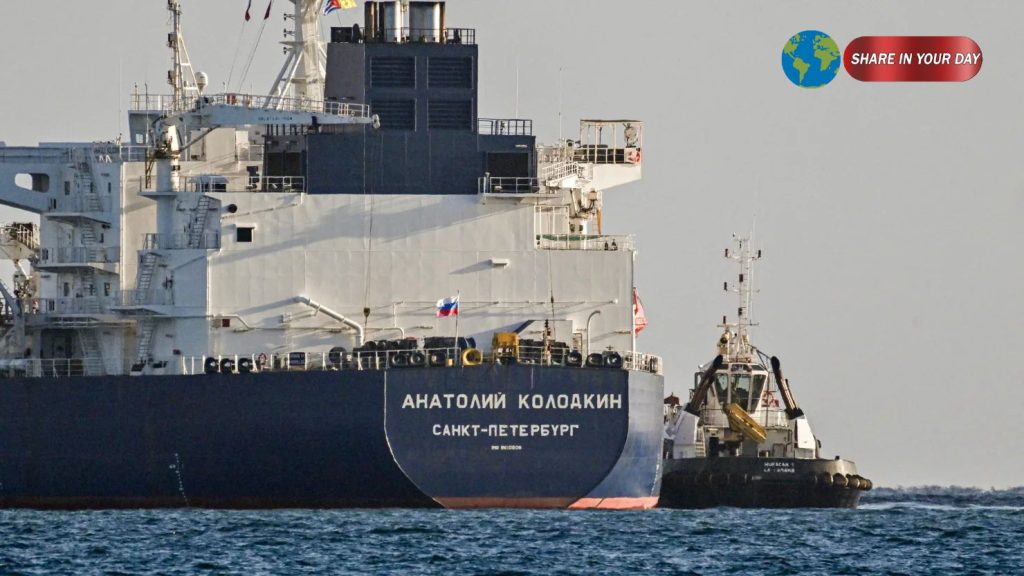
Ceasefire Extension Brings Temporary Relief
The decision by President Donald Trump to extend the ceasefire with Iran has provided short-term relief to oil markets. Initially, the announcement led to a decline in crude prices as fears of immediate supply disruption eased.
Historically, ceasefire announcements tend to calm markets, and this case was no exception. Oil prices have previously dropped sharply following similar developments, including a major decline earlier in April when a temporary truce was first introduced.
However, this relief appears limited. Analysts warn that the ceasefire does not resolve the underlying conflict, leaving the oil price outlook highly uncertain.
Why Oil Prices Remain Near $100
Despite the ceasefire, oil prices have remained elevated, hovering close to $100 per barrel. This reflects a market caught between optimism and caution.
Several key factors explain this resilience:
- Supply disruptions persist: The Strait of Hormuz remains partially restricted, limiting the flow of oil.
- Naval blockade continues: U.S. enforcement actions against Iranian exports are still in place.
- Global inventories are tightening: Reduced shipments are shrinking available supply.
Even with reduced tensions, these structural issues continue to support higher prices. In fact, Brent crude recently traded near $99–$100, while WTI hovered in the low $90s.
This highlights a critical point: the ceasefire may slow price increases, but it has not reversed the broader upward trend.
Volatility Becomes the New Normal
One of the most striking aspects of the current oil price outlook is extreme volatility.
Prices are no longer moving in a clear direction. Instead, they are reacting sharply to every new headline—from military developments to diplomatic statements.
For example:
- Oil prices dropped after the ceasefire extension announcement.
- They surged again following attacks on ships in the Strait of Hormuz.
- Markets then stabilized as traders reassessed risks.
This pattern reflects a market driven less by fundamentals and more by geopolitical uncertainty.
For investors and policymakers, this creates a highly unpredictable environment.
Strait of Hormuz Remains a Critical Risk
At the center of the oil price outlook is the Strait of Hormuz—a narrow waterway through which a significant portion of the world’s oil supply passes.
The ongoing conflict has severely disrupted traffic through the strait, creating what experts describe as one of the largest supply shocks in modern history.
Even during the ceasefire, shipping activity has not returned to normal levels. This means that global oil supply remains constrained, keeping upward pressure on prices.
Any further disruption—whether due to military action or political decisions—could send prices sharply higher.
Supply vs Demand: A Delicate Balance
While supply risks dominate headlines, demand factors are also shaping the oil price outlook.
Global demand for oil remains relatively strong, particularly in major economies across Asia. At the same time, high prices are beginning to impact consumption patterns, raising concerns about demand destruction.
This creates a delicate balance:
- High prices reduce demand
- Reduced demand stabilizes prices
- But supply shocks push prices higher again
This push-and-pull dynamic is contributing to ongoing volatility and making future price movements difficult to predict.
Economic Impact and Inflation Concerns
The uncertain oil price outlook is having broader economic implications, particularly for inflation.
Higher oil prices translate directly into increased costs for transportation, manufacturing, and energy. This, in turn, affects everything from food prices to airline tickets.
In countries like the United Kingdom, rising fuel costs have already contributed to higher inflation rates and economic pressure.
Globally, central banks are closely monitoring the situation, as sustained high oil prices could complicate efforts to control inflation.
Analysts Warn of Fragile Stability
Despite the ceasefire extension, analysts caution that the current stability in oil prices is fragile.
Several risks could quickly disrupt the market:
- Breakdown of ceasefire negotiations
- Escalation of military conflict
- Further attacks on shipping infrastructure
- Expansion of the U.S. naval blockade
Even with the ceasefire in place, tensions remain high, and any negative development could trigger a sharp price spike.
Some forecasts suggest that oil prices could easily exceed $100 again if supply disruptions worsen.
Historical Context: Lessons From Recent Weeks
The current oil price outlook cannot be understood without looking at recent market behavior.
Over the past month:
- Oil prices surged above $100 during peak tensions
- They dropped sharply after ceasefire announcements
- They rebounded as supply disruptions continued
This cycle underscores the sensitivity of oil markets to geopolitical events.
It also highlights a key lesson: temporary diplomatic progress does not guarantee long-term stability.
What Investors and Markets Are Watching
Looking ahead, several key factors will shape the oil price outlook:
1. Ceasefire Durability
Markets are closely watching whether the ceasefire will hold or collapse.
2. Strait of Hormuz Activity
Any change in shipping conditions could have an immediate impact on prices.
3. U.S. Policy Decisions
Further sanctions or military actions could tighten supply.
4. Global Demand Trends
Economic growth—or slowdown—will influence consumption.
5. OPEC+ Response
Production decisions by major oil producers could stabilize or destabilize the market.
Each of these factors adds another layer of complexity to an already uncertain environment.
Conclusion
The current oil price outlook reflects a market caught between hope and خطر.
While the extension of the Iran ceasefire has reduced immediate fears of escalation, it has not resolved the underlying issues driving volatility.
Supply disruptions, geopolitical tensions, and uncertain demand continue to shape the trajectory of oil prices.
As a result, markets are likely to remain unstable in the near term, with prices fluctuating in response to every new development.
For now, one thing is clear: the global oil market is entering a period of heightened uncertainty—and the next move could come at any moment.