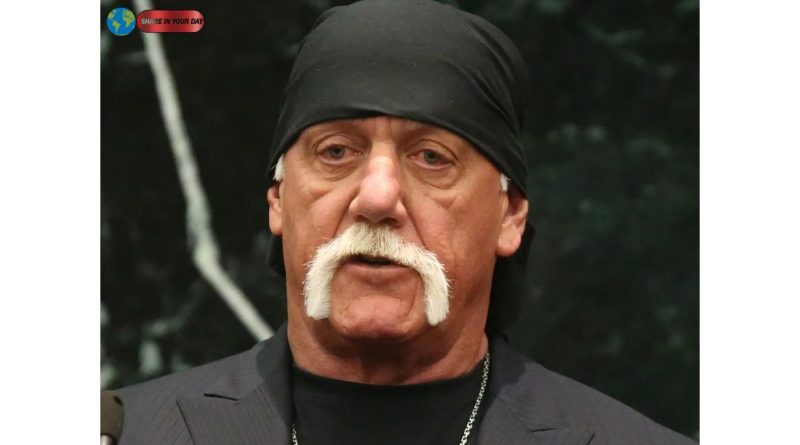
The story of Hulk Hogan fentanyl use has stunned fans worldwide after explosive details emerged from his final interview in a new Netflix docuseries. The legendary wrestler, born Terry Bollea, revealed he consumed life-threatening amounts of fentanyl daily while battling severe physical pain following his divorce from Linda Hogan.
These revelations paint a deeply troubling picture of one of wrestling’s most iconic figures, exposing the physical and emotional toll behind the larger-than-life persona.
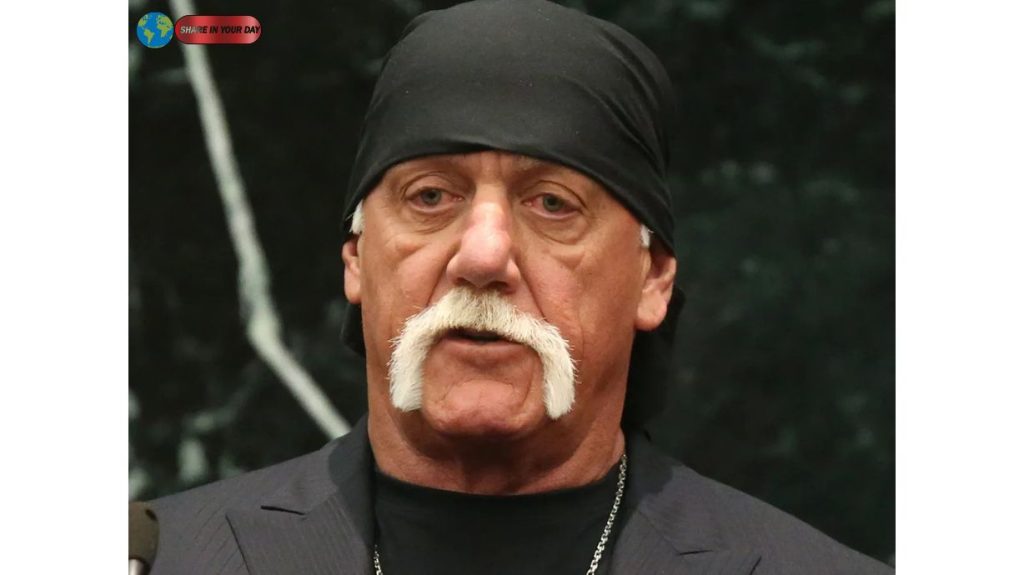
What Sparked Hulk Hogan’s Fentanyl Use?
The Hulk Hogan fentanyl use began during one of the most difficult periods of his life. After his 2009 divorce, which left him financially and emotionally drained, Hogan returned to professional wrestling despite being in poor physical condition.
At the time, he joined Total Nonstop Action (TNA) Wrestling in an attempt to rebuild his finances. However, his body—worn down from decades in the ring—could not keep up with the demands.
To cope with intense pain from multiple surgeries and injuries, Hogan turned to fentanyl, a powerful synthetic opioid typically used for severe pain management.
1. The Staggering Amounts He Took Daily
Perhaps the most shocking aspect of the Hulk Hogan fentanyl use was the sheer quantity he consumed.
According to his own account, Hogan took:
- Two 80mg fentanyl tablets each morning
- Two 300mg fentanyl patches applied to his body
- Six 1500mg fentanyl lollipops daily
Medical professionals were reportedly stunned by these levels. One pharmacist even told him he “should be dead,” highlighting just how dangerous the dosage was.
These numbers are far beyond typical medical prescriptions, underscoring the severity of his condition—and the risks he was taking.
2. Chronic Pain from a Brutal Wrestling Career
The Hulk Hogan fentanyl use cannot be understood without recognizing the physical toll of his career.
Over decades in professional wrestling, Hogan endured:
- Numerous back surgeries
- Joint replacements
- Chronic spinal issues
By the late stages of his life, his health had deteriorated significantly. He required assistance with basic daily activities and struggled to move without pain.
This relentless physical suffering pushed him toward extreme pain management methods.
3. Emotional Fallout After Divorce
Another major factor behind the Hulk Hogan fentanyl use was emotional distress.
His divorce from Linda Hogan was not just a personal setback—it was financially devastating. Reports suggest he lost a significant portion of his wealth, forcing him to return to wrestling despite his declining health.
The emotional strain of the split also led him into depression. In fact, he later admitted he had contemplated suicide during that period.
This combination of physical pain and emotional turmoil created the perfect storm for substance dependency.
4. A Desperate Comeback in TNA Wrestling
The Hulk Hogan fentanyl use coincided with his comeback in TNA Wrestling, a move driven largely by financial necessity.
However, insiders quickly realized he was not physically capable of performing at the level expected. His reliance on fentanyl became a way to push through matches and appearances despite his condition.
This raises serious questions about the pressures placed on aging athletes and entertainers to continue performing, even at great personal risk.
5. The Role of the Netflix Docuseries
The revelations about Hulk Hogan fentanyl use come from the Netflix docuseries Hulk Hogan: Real American, which features his final recorded interview.
Filmed just months before his death in July 2025, the series provides an unfiltered look at his life, including:
- His struggles with addiction
- His declining health
- His regrets and personal reflections
The documentary has been widely discussed for its raw and emotional portrayal of Hogan’s final years.
It also highlights how his painkiller use became a central part of his later life.
6. A Broader Look at Opioid Dependency
The Hulk Hogan fentanyl use story is not just about one man—it reflects a broader issue.
Fentanyl is one of the most potent opioids available and has been at the center of a global addiction crisis. Hogan’s experience mirrors that of many individuals who:
- Begin using opioids for legitimate medical reasons
- Develop dependency due to prolonged use
- Escalate dosages over time
His case underscores the thin line between pain management and addiction, especially for those dealing with chronic injuries.
7. Legacy Overshadowed by Pain and Controversy
While Hulk Hogan fentanyl use is shocking, it is only one part of a complex legacy.
Hogan remains one of the most recognizable figures in wrestling history, credited with helping popularize the sport globally. However, his later years were marked by:
- Health struggles
- Public controversies
- Personal hardships
Despite these challenges, his influence on professional wrestling remains undeniable.
The Human Side of a Wrestling Icon
The revelations about Hulk Hogan fentanyl use offer a rare glimpse into the human side of a larger-than-life figure.
Behind the fame and success was a man dealing with:
- Chronic physical pain
- Emotional distress
- Financial pressure
These factors combined to create a situation that spiraled into dangerous territory.
Lessons from Hulk Hogan’s Story
There are several important takeaways from the Hulk Hogan fentanyl use story:
1. The Cost of Physical Careers
Careers like professional wrestling can have long-term health consequences that extend far beyond retirement.
2. The Risks of Opioid Use
Even medically prescribed opioids can become dangerous when used over extended periods.
3. The Importance of Mental Health
Emotional struggles can significantly impact decision-making and coping mechanisms.
4. The Need for Support Systems
Proper medical and emotional support could potentially prevent similar situations in the future.
Conclusion
The revelations surrounding Hulk Hogan fentanyl use are both shocking and deeply tragic.
They highlight the immense physical and emotional toll that came with his career and personal life, offering a sobering reminder of the challenges faced by public figures behind the scenes.
While Hogan will always be remembered as a wrestling legend, his story also serves as a cautionary tale about pain, addiction, and the pressures of fame.
Ultimately, it is a story not just about excess—but about survival, struggle, and the human cost of greatness.