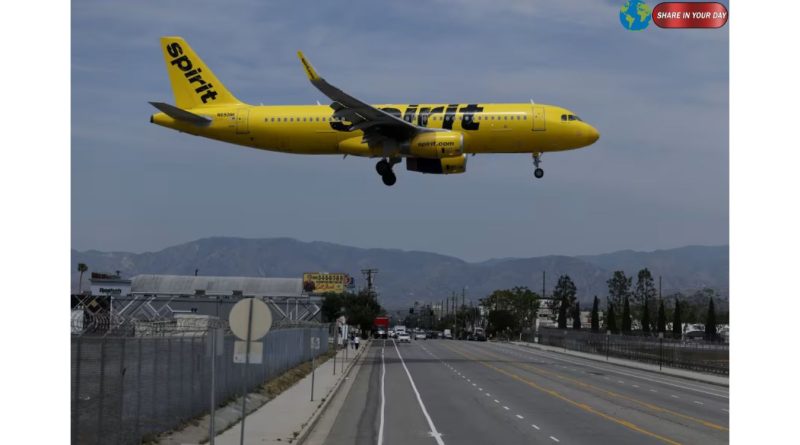
Spirit Airlines Bailout Shocking $500M Rescue Plan
The Spirit Airlines bailout is quickly becoming one of the most talked-about developments in the aviation industry, as the U.S. federal government moves closer to approving a massive $500 million rescue package for the struggling budget carrier.
According to reports, the ultra-low-cost airline is on the brink of financial collapse, and the proposed bailout could prevent what would be the first major U.S. airline shutdown in over two decades.
The situation underscores growing concerns about rising fuel costs, industry instability, and the broader economic pressures affecting airlines worldwide.
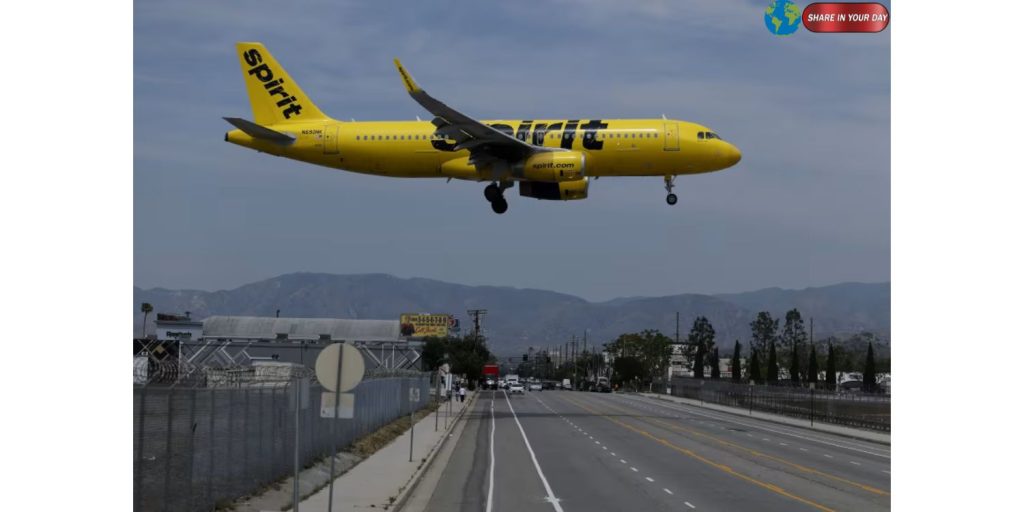
Why Spirit Airlines Is Facing Collapse
Spirit Airlines has been grappling with financial difficulties for years. Despite being one of the largest budget carriers in North America, the company has struggled to maintain profitability since the COVID-19 pandemic.
More recently, the airline’s situation worsened dramatically due to a surge in jet fuel prices. These costs have nearly doubled following geopolitical tensions involving Iran, placing immense pressure on operating margins.
Additionally, Spirit has already gone through multiple bankruptcy filings in recent years, highlighting deeper structural challenges in its business model.
Without immediate financial support, analysts warn the airline could face liquidation — a move that would ripple across the entire aviation sector.
Inside the $500 Million Bailout Plan
The proposed Spirit Airlines bailout would involve up to $500 million in federal funding, potentially structured as a loan or financial package tied to government oversight.
In return, the U.S. government may receive a significant ownership stake in the airline, a move that has sparked debate among policymakers and industry leaders.
If finalized, the deal could be announced within days, signaling urgent action to stabilize the company and prevent operational shutdown.
This type of targeted bailout is unusual, as previous airline rescues in the U.S. have typically been industry-wide rather than focused on a single carrier.
What Happens If Spirit Airlines Fails?
The collapse of Spirit Airlines would have significant consequences for travelers, employees, and the broader airline market.
Massive Job Losses
Spirit employs around 14,000 workers, all of whom could be at risk if the airline shuts down.
Higher Airfares
Spirit’s ultra-low-cost model has historically pushed ticket prices down across the industry. Its disappearance could reduce competition and lead to higher fares nationwide.
Travel Disruptions
Millions of passengers holding Spirit tickets could be left scrambling for alternative flights, potentially causing widespread travel chaos.
Political Debate Surrounding the Bailout
The proposed Spirit Airlines bailout has ignited a heated political debate in Washington.
Some officials argue that government intervention is necessary to protect jobs and maintain competition in the airline industry. Others, however, strongly oppose the idea of using taxpayer money to rescue a private company.
Critics warn that such a move could set a dangerous precedent, encouraging other struggling airlines to seek similar bailouts.
For example, prominent lawmakers have already labeled the plan a “terrible idea,” citing concerns about government overreach and financial risk.
The Role of Rising Fuel Costs
A key factor driving the crisis is the sharp increase in jet fuel prices.
Fuel is one of the largest expenses for airlines, second only to labor. The recent spike has significantly increased operating costs, particularly for budget carriers like Spirit that rely on thin profit margins.
The situation has been exacerbated by global conflicts affecting oil supply, further destabilizing the airline’s financial outlook.
This combination of rising costs and existing financial weaknesses has pushed Spirit to the brink.
Fallout from the Blocked JetBlue Merger
Another major factor contributing to the airline’s struggles is the failed merger with JetBlue.
The proposed $3.8 billion deal was blocked by a federal judge over antitrust concerns, preventing Spirit from gaining financial stability through consolidation.
Some officials now argue that this decision worsened Spirit’s financial position, leaving it vulnerable to market pressures.
Without the merger, the airline has had to rely on cost-cutting measures and restructuring efforts, which have so far failed to restore profitability.
Industry Impact and Market Reactions
News of the potential Spirit Airlines bailout has already sent ripples through the aviation sector.
Competitor airline stocks have fluctuated as investors react to the possibility of government intervention. Analysts warn that saving Spirit could disrupt market dynamics and affect pricing strategies across the industry.
At the same time, some experts argue that allowing the airline to collapse could reduce competition, ultimately harming consumers.
This creates a complex dilemma for policymakers trying to balance economic stability with free-market principles.
A Rare Move in Aviation History
If approved, the bailout would mark one of the rare instances of the U.S. government stepping in to rescue a single airline.
Historically, federal support has been reserved for broader crises, such as after the September 11 attacks or during the COVID-19 pandemic.
By contrast, the Spirit Airlines bailout is being driven primarily by financial mismanagement and rising operational costs — a distinction that has fueled controversy.
What Travelers Should Expect
For passengers, the situation remains uncertain.
If the bailout is approved:
- Flights are expected to continue operating
- Ticket holders will likely avoid disruptions
- The airline may restructure its pricing and services
However, if the deal falls through:
- Flights could be canceled
- Refunds may be delayed or limited
- Alternative travel options could become more expensive
Travelers are advised to monitor updates closely and consider backup plans when booking flights.
Final Thoughts
The Spirit Airlines bailout represents a pivotal moment for the aviation industry.
On one hand, it offers a lifeline to a struggling airline and protects thousands of jobs. On the other, it raises serious questions about government intervention, market fairness, and long-term sustainability.
As negotiations continue, the outcome will likely shape not only the future of Spirit Airlines but also the broader direction of U.S. aviation policy.
Whether the bailout is ultimately approved or rejected, one thing is clear: the airline industry is entering a period of significant change — and the stakes have never been higher.