OnePlus Watch 4 Revealed: 7 Powerful Upgrades
Introduction
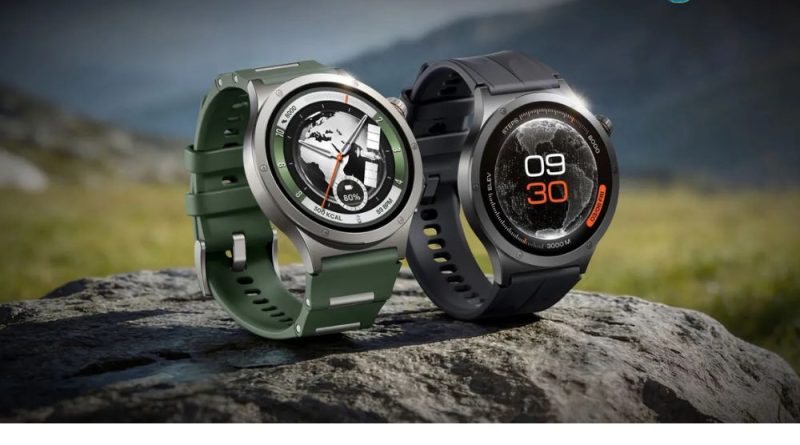
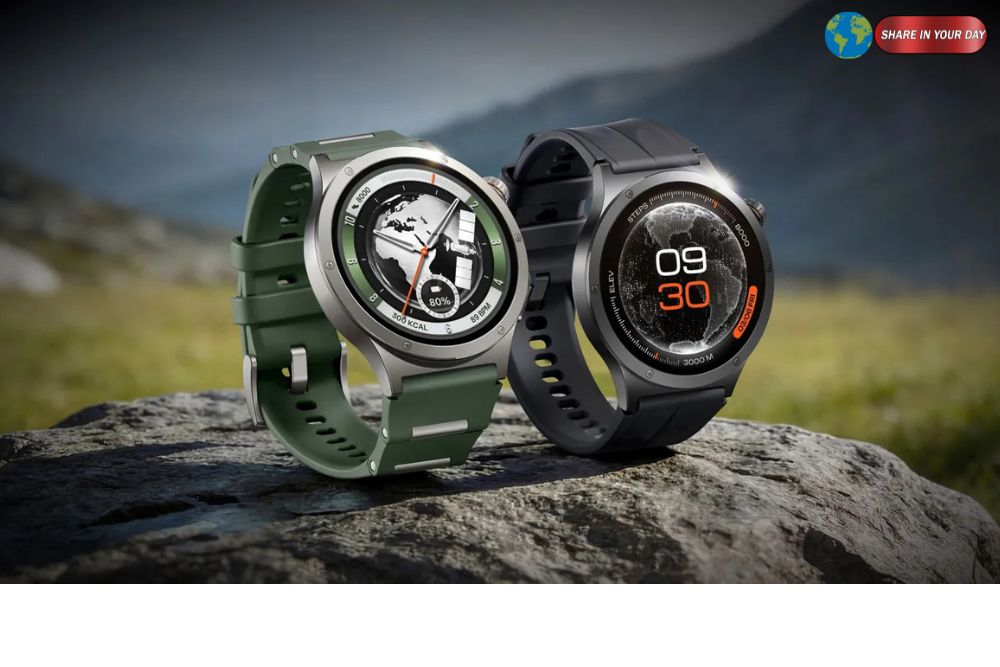
The OnePlus Watch 4 has officially entered the spotlight, bringing a refined design and notable upgrades to the smartwatch market. Quietly launched without major fanfare, the device still manages to capture attention with its premium titanium build, powerful internals, and the latest Wear OS software.
For fans of Android smartwatches, this release signals a continued push by OnePlus into the wearable space—one that focuses less on radical change and more on meaningful refinement.
So what exactly makes the OnePlus Watch 4 worth talking about? Here are seven key upgrades and insights that define the device.
A Quiet Launch with Big Implications
Unlike traditional product launches filled with hype and global events, the OnePlus Watch 4 debuted in a surprisingly low-key manner.
However, this approach does not reflect a lack of ambition. Instead, it suggests confidence in the product itself. By publishing full specifications and letting the hardware speak for itself, OnePlus is positioning the Watch 4 as a mature, polished device rather than an experimental upgrade.
Meanwhile, leaks and reports indicate that the smartwatch is intended for global markets, including Europe and the UK, hinting at broader availability than previous models.
1. Premium Titanium Design
One of the standout features of the OnePlus Watch 4 is its all-titanium alloy case.
This upgrade significantly improves durability while maintaining a lightweight feel. Combined with sapphire crystal glass, the watch is designed to withstand everyday wear and extreme conditions.
Additionally, the watch includes military-grade durability certification (MIL-STD-810H), along with IP68 and IP69 ratings for water and dust resistance.
In practical terms, this means the device is built for both casual users and outdoor enthusiasts.
2. Wear OS 6 Brings Smarter Performance
The OnePlus Watch 4 runs on the latest version of Wear OS, based on Android 16.
This update introduces improved performance, better app integration, and enhanced battery efficiency.
Wear OS continues to evolve as a leading platform for smartwatches, offering seamless integration with Android smartphones, Google services, and third-party apps.
For users, this means smoother navigation, faster app launches, and a more responsive experience overall.
3. Powerful Hardware with Snapdragon W5
At the core of the device is the Qualcomm Snapdragon W5 processor.
Paired with 2GB of RAM and 32GB of storage, the OnePlus Watch 4 delivers performance that rivals top-tier competitors.
This hardware configuration ensures:
- Faster multitasking
- Improved fitness tracking accuracy
- Better support for advanced apps
As a result, the watch is not just a companion device—it’s a capable standalone gadget.
4. Bright and Efficient LTPO OLED Display
The smartwatch features a 1.5-inch LTPO OLED display with a resolution of 466 × 466 pixels.
More importantly, it can reach brightness levels of up to 3000 nits, making it highly visible even in direct sunlight.
This is particularly useful for outdoor activities such as running, cycling, or hiking.
The LTPO technology also helps conserve battery by dynamically adjusting refresh rates.
5. Exceptional Battery Life
Battery life remains one of the strongest selling points of the OnePlus Watch 4.
Thanks to a 646mAh battery and efficient dual-chip architecture, the device offers:
- Up to 3 days with heavy use
- Around 5 days with standard use
- Up to 16 days in power-saving mode
This performance puts it ahead of many Wear OS competitors, which often require daily charging.
For users, this means less time worrying about battery and more time using the device.
6. Advanced Health and Fitness Tracking
The watch includes a comprehensive suite of health monitoring features:
- Heart rate tracking
- Blood oxygen (SpO2) monitoring
- Sleep tracking
- Wrist temperature sensor
- Fall detection
While these features are not entirely new, their accuracy and reliability have improved over previous models.
However, some critics note that innovation in this area remains incremental rather than groundbreaking.
7. Subtle but Meaningful Improvements
At first glance, the OnePlus Watch 4 may appear similar to its predecessor.
But subtle refinements make a difference:
- Slightly thinner and lighter design
- Improved brightness
- Enhanced water resistance (IP69)
- Updated color options
These changes reflect a shift in strategy—from major redesigns to careful optimization.
How It Compares to Competitors
The smartwatch market is increasingly competitive, with devices like the Pixel Watch series and Samsung Galaxy Watch lineup pushing innovation forward.
What sets the OnePlus Watch 4 apart is its balance:
- Longer battery life than many rivals
- Premium materials like titanium
- Strong performance with Snapdragon W5
However, competitors may still lead in areas like ecosystem integration and advanced health analytics.
Market Strategy: Evolution Over Revolution
The release of the OnePlus Watch 4 highlights a broader trend in the tech industry.
Rather than chasing dramatic upgrades every year, companies are focusing on refining existing products.
This approach mirrors the maturity of the smartphone market, where incremental improvements often matter more than radical innovation.
In this context, the Watch 4 represents a “polished evolution” rather than a disruptive leap.
Expected Price and Availability
While official pricing has not been confirmed, estimates suggest the OnePlus Watch 4 could cost between $380 and $400.
This places it in the premium smartwatch category, competing directly with high-end devices.
Global availability is expected, although exact release dates may vary by region.
Should You Upgrade?
The answer depends on your current device:
- Upgrade if you want better durability, longer battery life, and the latest software
- Wait if you already own the previous model and don’t need incremental improvements
Ultimately, the OnePlus Watch 4 is designed for users who value reliability and premium build quality over flashy new features.
Conclusion
The OnePlus Watch 4 may not reinvent the smartwatch, but it doesn’t need to.
With its titanium build, Wear OS 6, strong battery life, and refined performance, it delivers exactly what many users want: a dependable, high-quality wearable.
In a market often driven by hype, this quiet release stands out for a different reason—it focuses on getting the essentials right.
And in 2026, that might be the most powerful upgrade of all.