Australia Cliff Rescue: A Terrifying Ordeal Unfolds
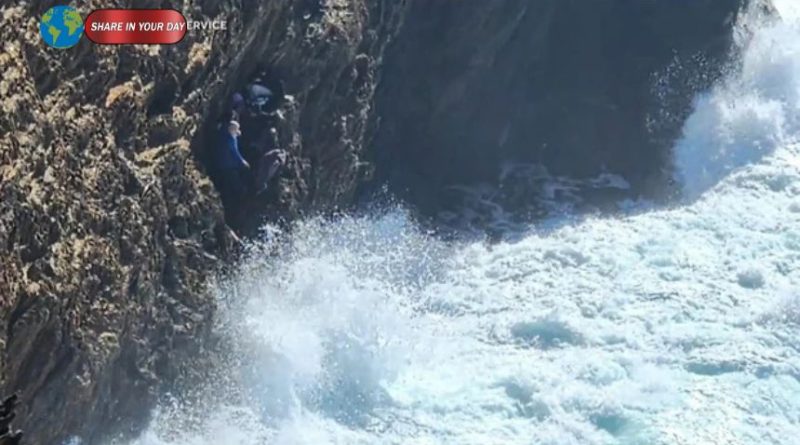
The Australia cliff rescue has captured global attention after seven tourists—including children—were dramatically saved from a deadly coastal trap. What began as a peaceful morning walk along Australia’s scenic coastline quickly turned into a life-threatening emergency when rising tides forced the group onto a narrow cliff ledge.
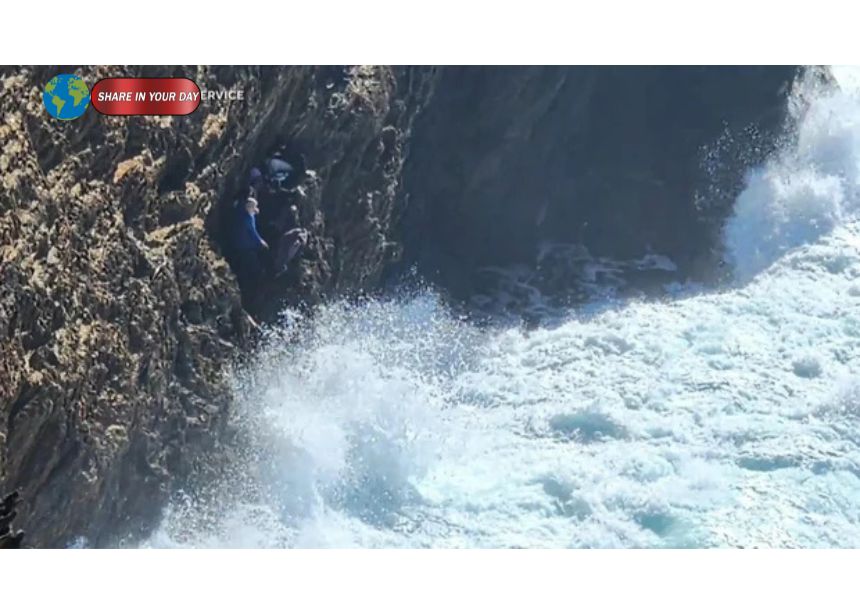
Authorities say the group had no escape route as powerful waves surged beneath them, leaving them stranded and clinging to the rock face for hours. The daring rescue operation that followed is now being hailed as one of the most intense emergency responses in recent months.
How a Simple Walk Turned Into a Life-Threatening Situation
The incident occurred along the east coast of Australia, where rugged cliffs and unpredictable tides often attract tourists seeking dramatic ocean views.
According to reports, the group of seven—four adults and three children—were walking along the base of a cliff when the tide suddenly began to rise.
As the water surged higher, the tourists were forced to scramble upward onto a narrow ledge roughly 10 meters above the crashing waves. With steep rock walls behind them and the ocean closing in below, they were effectively trapped.
Emergency responders later described the situation as extremely dangerous, warning that even a single large wave could have swept the group into the sea.
Waves, Panic, and a Race Against Time
The Australia cliff rescue quickly escalated into a race against time. Reports indicate that waves reached heights of up to 16 feet, steadily inching closer to the stranded group.
Despite the terrifying conditions, the tourists managed to remain relatively calm and used their phones to call for help.
However, rescuers faced a major challenge: the environment itself.
Strong winds and crashing surf made it too dangerous for a helicopter to attempt a direct rescue. Authorities feared that the rotor wash could destabilize the group and push them off the cliff.
This forced emergency teams to rethink their strategy—leading to a far more complex and risky ground operation.
Inside the 3-Hour Rescue Operation
With aerial rescue ruled out, a specialized vertical rescue team was deployed. Their mission: safely extract all seven individuals from the cliff without triggering a fatal fall.
Rescuers set up advanced rope systems at the top of the cliff, including a specialized device known as an “Arizona Vortex,” designed to handle high-risk vertical rescues.
One experienced rescuer was lowered down the cliff face to reach the stranded tourists. From there, the operation unfolded step by step:
- Each person was secured individually
- They were carefully lifted back to the top
- Children were prioritized for extraction
- Medical checks were conducted immediately after rescue
The entire operation took approximately three hours to complete.
Despite the extreme danger, all seven tourists were brought to safety with only minor injuries—a result authorities described as “remarkably fortunate.”
5 Shocking Facts About the Australia Cliff Rescue
1. Seven Lives Hanging in the Balance
The group included three children, making the situation even more urgent and complex. Rescuers had to ensure each individual was safely secured before extraction.
2. Waves Could Have Swept Them Away
Officials warned that if the tide had risen any further, the tourists could have been washed off the cliff entirely—a scenario that would likely have been fatal.
3. Helicopter Rescue Was Too Dangerous
Although helicopters are often used in such emergencies, this time they posed a greater risk. The powerful downdraft could have knocked the group into the ocean.
4. Volunteers Led the Rescue Effort
Many of the rescuers involved were volunteers who had trained extensively for such high-risk scenarios. Their expertise and coordination played a critical role in the successful outcome.
5. A Rare Happy Ending
Despite the severity of the situation, all seven individuals survived with only minor scrapes and exhaustion—an outcome that rescuers described as extraordinary.
Why Australia’s Coastlines Can Be So Dangerous
The Australia cliff rescue highlights a broader issue: the hidden dangers of coastal exploration.
Australia’s coastline is famous for its beauty, but it also presents serious risks:
- Rapidly changing tides
- Strong and unpredictable waves
- Slippery and unstable rock surfaces
- Limited escape routes in remote areas
Experts warn that even experienced hikers can underestimate how quickly conditions can change.
Authorities Issue Safety Warnings
Following the incident, emergency services issued a clear message to tourists and locals alike: always be aware of tide conditions.
Simple precautions can make the difference between a safe outing and a life-threatening emergency:
- Check tide schedules before exploring coastal areas
- Avoid walking too close to the water’s edge
- Stay on marked paths
- Be cautious of wet or slippery rocks
Rescuers emphasized a simple rule: if the rocks are wet, the area is likely unsafe.
Global Attention and Public Reaction
The Australia cliff rescue has sparked widespread attention online, with many praising the bravery and professionalism of the rescue teams.
Footage and images from the scene show the dramatic conditions rescuers faced—highlighting just how close the situation came to disaster.
Public reactions have ranged from relief to concern, with many calling for increased awareness about coastal safety.
What Happens After Such Rescues?
While the tourists involved escaped serious injury, incidents like this often lead to:
- Safety reviews by local authorities
- Increased warnings at tourist hotspots
- Public education campaigns
In some cases, authorities may also consider adding barriers or signage to prevent similar situations in the future.
The Bigger Picture: Tourism vs. Safety
The Australia cliff rescue raises important questions about balancing tourism and safety.
Scenic coastal areas attract millions of visitors each year, but not all are aware of the risks. As tourism continues to grow, ensuring visitor safety becomes increasingly critical.
Experts suggest that better education, clearer signage, and real-time alerts could help prevent future incidents.
Conclusion
The Australia cliff rescue stands as a powerful reminder of how quickly a routine outing can turn into a life-threatening situation. Thanks to the skill and determination of rescue teams, seven lives were saved in what could have been a tragic event.
However, the incident also serves as a warning: nature can be unpredictable, and even the most beautiful الأماكن can hide serious dangers.
As more travelers explore the world’s coastlines, awareness and caution remain the best tools for staying safe.