
Eugene Braunwald Death: 7 Key Medical Breakthroughs
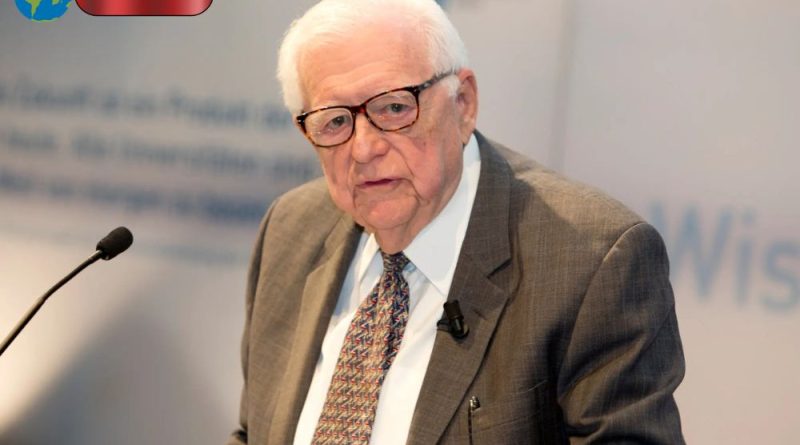
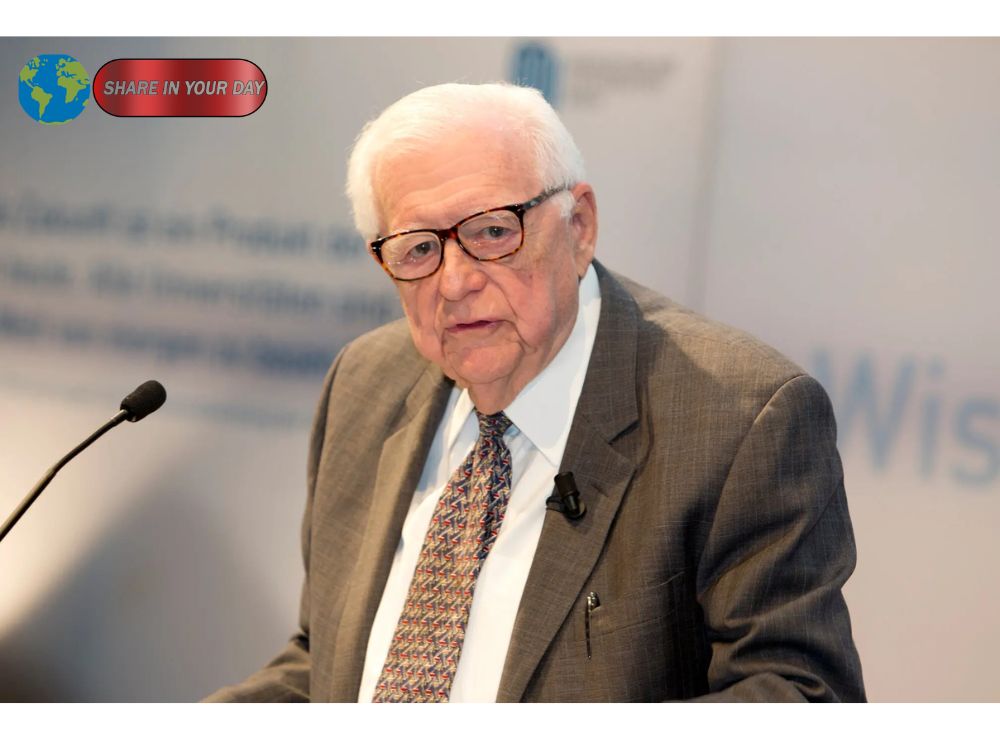
The Eugene Braunwald death at the age of 96 marks the end of an era in modern medicine. Widely regarded as the “father of modern cardiology,” Eugene Braunwald transformed how heart disease is understood, diagnosed, and treated across the globe.
His passing on April 22, 2026, has prompted tributes from leading institutions and medical professionals, all highlighting his extraordinary contributions to cardiovascular science and patient care.
A Life That Shaped Modern Medicine
Born in Vienna, Austria, in 1929, Braunwald’s early life was marked by adversity. As a Jewish child, he fled Nazi-occupied Europe with his family and eventually settled in the United States.
Despite these challenges, he rose to become one of the most influential physicians in history. Over a career spanning more than seven decades, Braunwald helped transform cardiology from a largely observational field into a highly advanced, intervention-driven science.
1. Redefining Heart Attacks
One of Braunwald’s most important contributions was changing how doctors understand heart attacks. He demonstrated that heart attacks are not sudden, isolated events but progressive processes that can be interrupted with timely treatment.
This insight laid the foundation for modern emergency cardiac care and has saved countless lives worldwide.
2. The “Time Is Muscle” Principle
Braunwald helped popularize the concept that rapid treatment is critical during a heart attack. The idea that “time is muscle” emphasizes that delays in care lead to greater heart damage.
Today, this principle is central to emergency medicine and guides how hospitals respond to cardiac patients.
3. Advancing Clinical Trials in Cardiology
In 1984, Braunwald founded the Thrombolysis in Myocardial Infarction (TIMI) Study Group. This initiative revolutionized large-scale clinical trials in cardiology, leading to new treatments and standards of care.
The group’s research has influenced how doctors treat conditions such as heart attacks, heart failure, and vascular disease.
4. Identifying Key Heart Diseases
Braunwald was instrumental in identifying and studying hypertrophic cardiomyopathy, a complex heart condition. His work helped define the disease and improve treatment strategies that are still used today.
This contribution alone has had a lasting impact on patient outcomes.
5. Transforming Medical Education
Beyond research, Braunwald played a major role in educating generations of doctors. He served as editor of major medical textbooks, including Harrison’s Principles of Internal Medicine and Braunwald’s Heart Disease.
These texts remain essential resources for medical students and professionals worldwide.
6. Leading Major Medical Institutions
Throughout his career, Braunwald held key leadership roles at some of the world’s most prestigious institutions, including Harvard Medical School and the National Institutes of Health.
His leadership helped shape the direction of medical research and education on a global scale.
7. Mentoring Future Generations
Braunwald was not only a researcher but also a mentor to countless physicians and scientists. Many of his trainees went on to become leaders in cardiology and medicine.
His influence continues through the people he trained and inspired.
A Global Legacy in Cardiology
The impact of the Eugene Braunwald death extends far beyond his personal achievements. He authored more than 1,000 scientific publications and was one of the most cited researchers in cardiovascular medicine.
His work has shaped guidelines, treatments, and research directions that continue to influence patient care today.
Medical organizations around the world have described him as a “giant” in the field, emphasizing that his contributions will continue to save lives for generations to come.
Tributes From the Medical Community
Following the Eugene Braunwald death, tributes poured in from colleagues and institutions. Many described him as a visionary whose work redefined medicine.
Leaders in cardiology highlighted not only his scientific achievements but also his humility, dedication, and commitment to mentorship.
The American Heart Association noted that his research transformed how heart disease is treated, improving outcomes for millions of patients worldwide.
Why His Work Still Matters Today
Heart disease remains one of the leading causes of death globally. Braunwald’s research has provided the foundation for many modern treatments, from emergency interventions to long-term disease management.
His discoveries continue to influence:
- Emergency cardiac care
- Drug development
- Clinical guidelines
- Preventive medicine
In many ways, modern cardiology is built upon his work.
The Human Story Behind the Scientist
Beyond his scientific achievements, Braunwald’s life story is one of resilience and determination. From fleeing war as a child to becoming a global leader in medicine, his journey reflects the power of perseverance and dedication.
Colleagues often described him as both brilliant and approachable, a rare combination that made him an effective leader and mentor.
What His Passing Means for the Future
The Eugene Braunwald death represents a significant loss for the medical community. However, his legacy ensures that his influence will continue.
Future generations of doctors and researchers will build upon the foundation he created, advancing the field even further.
Conclusion
The Eugene Braunwald death marks the passing of one of the most influential figures in medical history. His groundbreaking discoveries, leadership, and dedication to education have left an indelible mark on cardiology and healthcare as a whole.
While he is no longer present, his work continues to guide doctors, save lives, and shape the future of medicine—ensuring that his legacy will endure for decades to come.