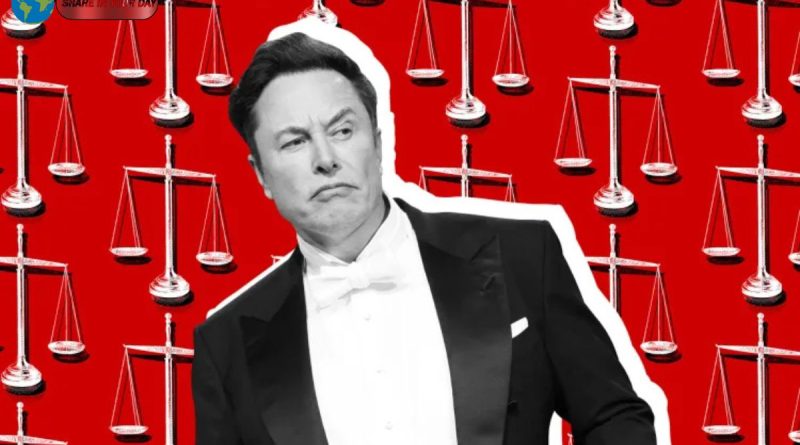
The OpenAI lawsuit between Elon Musk and Sam Altman has officially reached a critical stage, marking one of the most dramatic legal battles in the history of artificial intelligence. As courtroom proceedings begin in California, the dispute is no longer just a corporate disagreement—it has evolved into a high-stakes clash over the future of AI itself.
At the heart of the case lies a fundamental question: Did OpenAI abandon its original mission to benefit humanity in favor of profit?
According to recent reporting, the trial began with jury selection on April 27, 2026, signaling the start of a legal fight that could reshape the global AI landscape.
The Origins of OpenAI—and the Conflict
To understand the OpenAI lawsuit, it’s important to revisit how the organization began.
OpenAI was founded in 2015 as a nonprofit research lab with a bold mission: to ensure artificial intelligence would benefit all of humanity. Elon Musk was one of its early co-founders and financial backers, contributing significant resources to get the project off the ground.
However, tensions began to surface as the company evolved.
Over time, OpenAI transitioned to a “capped-profit” model, allowing it to attract major investments—most notably from Microsoft—while still claiming to uphold its original mission.
Musk argues that this shift fundamentally betrayed the organization’s founding principles.
Musk’s Core Allegations
In the OpenAI lawsuit, Musk makes several explosive claims against Altman and OpenAI leadership.
1. Betrayal of Nonprofit Mission
Musk alleges that OpenAI abandoned its original purpose and transformed into a profit-driven entity. He claims the company shifted toward commercialization without transparency.
2. Deception and Broken Promises
According to court filings, Musk says he was misled about how OpenAI would operate after its transition. He argues that key decisions were made behind his back.
3. Financial Exploitation
The lawsuit accuses OpenAI of using Musk’s early contributions to build what he describes as a “wealth machine,” prioritizing revenue over ethics.
4. Demand for Leadership Changes
Musk is seeking major remedies, including the removal of CEO Sam Altman and President Greg Brockman from leadership roles.
5. Massive Financial Stakes
Reports indicate Musk is pursuing damages that could reach tens or even hundreds of billions of dollars, reflecting the enormous valuation of OpenAI today.
OpenAI’s Defense: A Counterattack
OpenAI has strongly denied Musk’s allegations, framing the lawsuit as both misguided and self-serving.
The company argues that:
- Musk supported the shift toward a for-profit model years earlier
- His claims lack legal standing
- The lawsuit is an attempt to damage a competitor
In fact, OpenAI suggests Musk’s real motivation is tied to his own AI venture, xAI, which competes directly in the same space.
Legal experts note that this argument could play a critical role in the case, especially if the court views the lawsuit as a competitive maneuver rather than a legitimate grievance.
What the Trial Reveals So Far
As the OpenAI lawsuit unfolds, several key details have emerged that highlight the complexity of the case.
Internal Tensions Date Back Years
Documents and testimonies suggest disagreements over OpenAI’s direction began long before Musk left the company in 2018.
High-Profile Witnesses
The trial is expected to feature major tech figures, including Microsoft CEO Satya Nadella, reflecting the case’s industry-wide significance.
Jury Selection Challenges
Even selecting jurors has proven difficult, with some expressing strong opinions about Musk—underscoring the public attention surrounding the case.
Legal Claims Narrowed
A judge has already dismissed some of Musk’s fraud claims but allowed others—such as breach of charitable trust—to proceed.
Why This Case Matters for the Future of AI
The OpenAI lawsuit is not just about one company—it could redefine how AI organizations operate globally.
1. Governance of AI Companies
If Musk wins, OpenAI could be forced to revert to a more nonprofit structure, setting a precedent for how advanced AI labs are governed.
2. Corporate vs Ethical Priorities
The case raises broader questions about whether cutting-edge technologies should prioritize profit or public good.
3. Investor Influence
The involvement of major investors like Microsoft highlights how financial backing can shape the direction of AI development.
4. Competition in AI
With Musk’s xAI entering the race, the lawsuit reflects intensifying competition among tech giants to dominate the AI sector.
The Role of Microsoft and Big Tech
One of the most significant aspects of the OpenAI lawsuit is the involvement of Microsoft.
OpenAI’s partnership with Microsoft has been central to its growth, providing both funding and infrastructure. However, Musk argues that this relationship represents a shift away from the organization’s original ideals.
Critics of Musk’s position, however, argue that large-scale AI development simply isn’t possible without massive investment—making corporate partnerships inevitable.
This tension between idealism and practicality lies at the core of the case.
A Personal Rivalry Behind the Legal Battle
Beyond the legal arguments, the OpenAI lawsuit also reflects a deeply personal conflict between two influential figures in tech.
Elon Musk and Sam Altman were once collaborators, united by a shared vision for AI. Today, they stand on opposite sides of a courtroom.
Their rivalry has been marked by:
- Public criticism
- Competing AI ventures
- Differing philosophies on AI safety and control
This personal dimension adds another layer of intrigue to an already complex legal battle.
Potential Outcomes and Industry Impact
The outcome of the OpenAI lawsuit could have far-reaching consequences.
If Musk Wins
- OpenAI may face structural changes
- Leadership could be replaced
- The company’s business model could shift dramatically
If OpenAI Wins
- The current for-profit model will be validated
- Investor-backed AI development will gain further legitimacy
- Musk’s legal strategy could face scrutiny
Either way, the case is expected to influence future regulations and governance models for AI companies worldwide.
The Bigger Picture: AI at a Crossroads
The OpenAI lawsuit comes at a time when artificial intelligence is rapidly transforming industries—from healthcare to finance to entertainment.
As AI systems become more powerful, questions about accountability, ethics, and control are becoming increasingly urgent.
This case may ultimately serve as a turning point, forcing governments, companies, and the public to confront difficult questions about who should control AI—and for what purpose.
Final Thoughts
The OpenAI lawsuit between Elon Musk and Sam Altman is more than just a legal dispute—it is a defining moment for the future of technology.
With billions of dollars, global influence, and the direction of AI innovation at stake, the trial represents a clash between two competing visions:
- AI as a public good
- AI as a commercial powerhouse
As the courtroom drama unfolds, one thing is clear: the outcome of this case will shape the trajectory of artificial intelligence for years to come.