Trump-Backed Challengers Indiana: A Political Shake-Up in 2026 Primaries
In a dramatic turn of events, Trump-backed challengers Indiana races have reshaped the state’s political landscape, as several Republican incumbents lost their seats in the 2026 primary elections. The results underscore the continued influence of Donald Trump within the Republican Party and signal a growing trend of loyalty-driven politics at the state level.
The primaries, held on May 5, 2026, were widely seen as a referendum on Trump’s authority inside the GOP. They followed a bitter internal dispute over a failed redistricting proposal in 2025—one that divided Republicans and ultimately triggered a wave of political retaliation.
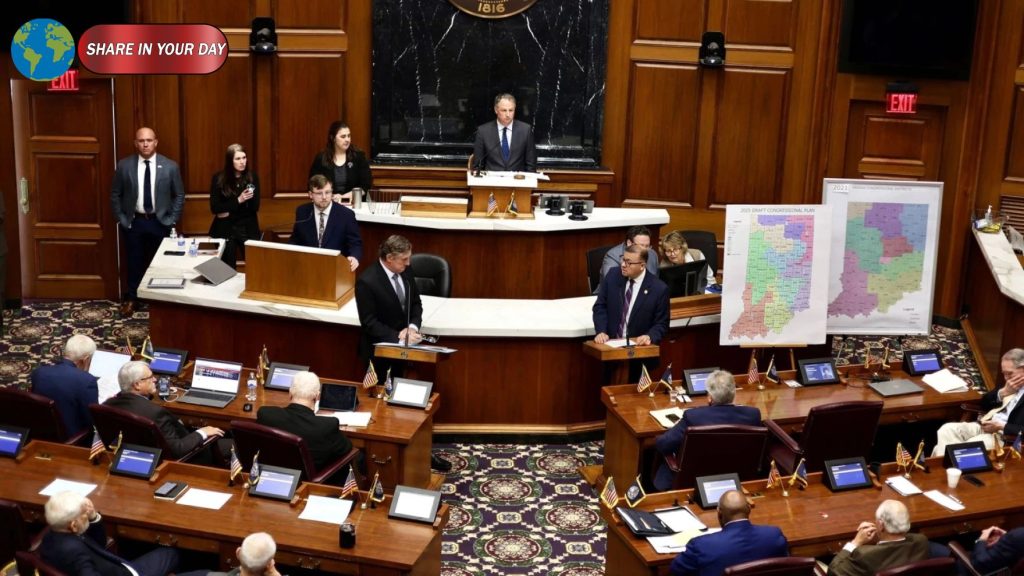
A Clash Rooted in Redistricting
The origins of the upheaval trace back to late 2025, when Indiana lawmakers rejected a controversial congressional redistricting plan backed by Trump. The proposal aimed to redraw district maps in a way that could expand Republican control in the U.S. House of Representatives.
However, several Republican state senators broke ranks and joined opposition efforts, effectively blocking the plan. The vote marked a rare moment of defiance within a party often aligned with Trump’s political agenda.
Trump responded swiftly and forcefully. He publicly criticized the dissenting lawmakers and pledged to support primary challengers against them. That promise became the defining theme of the 2026 Indiana primaries.
Millions Spent to Unseat Incumbents
What followed was an unusually intense primary battle for state-level races. Trump-aligned political action committees and advocacy groups poured millions of dollars into campaigns targeting the incumbents who opposed the redistricting effort.
Estimates suggest that between $8 million and $9 million was spent supporting challengers—an extraordinary sum for state Senate contests.
The scale of spending transformed typically low-profile primaries into high-stakes political showdowns. Television ads, direct mail campaigns, and digital outreach saturated districts across Indiana, often framing the races as a choice between loyalty to Trump and perceived betrayal.
Incumbents Fall in Key Races
The results were decisive. In most of the contested races, incumbents who had opposed the redistricting plan were defeated by Trump-backed challengers.
At least five of the seven targeted senators lost their primaries, with only one or two managing to hold onto their seats.
Among the notable defeats was longtime lawmaker Jim Buck, who had served for nearly two decades before being unseated.
Other challengers—many of whom were relatively unknown before receiving Trump’s endorsement—emerged victorious, signaling a shift in the criteria voters use to evaluate candidates. Political experience appeared less important than alignment with Trump’s agenda.
A Loyalty Test Within the GOP
The Trump-backed challengers Indiana wave has been widely interpreted as a loyalty test within the Republican Party. Candidates who aligned themselves closely with Trump’s policies and rhetoric gained a clear advantage, while those who deviated—even on a single major issue—faced significant political risk.
This dynamic reflects a broader trend in American politics, where party identity is increasingly shaped by allegiance to influential figures rather than traditional ideological platforms.
Analysts note that the Indiana primaries serve as a microcosm of national Republican politics. The message is clear: opposing Trump, particularly on high-profile issues, can carry serious consequences.
The Nationalization of State Politics
One of the most striking aspects of the Indiana primaries is how national political dynamics have come to dominate state-level elections.
Historically, state legislative races focused on local issues such as education, infrastructure, and economic development. However, the 2026 primaries were heavily influenced by national narratives, with redistricting and party loyalty taking center stage.
Trump’s direct involvement—through endorsements, fundraising, and messaging—effectively nationalized the contests. This shift raises important questions about the future of state governance and the extent to which local priorities may be overshadowed by broader political agendas.
Redistricting: The Catalyst for Conflict
Redistricting lies at the heart of the conflict. The practice of redrawing electoral district boundaries has long been a contentious issue in American politics, often associated with efforts to gain partisan advantage.
In Indiana, Trump’s proposed redistricting plan sought to reshape congressional districts in a way that could secure additional Republican seats. While similar efforts have succeeded in other states, Indiana lawmakers ultimately rejected the proposal.
That decision triggered a chain reaction—one that culminated in the 2026 primaries and the defeat of several incumbent senators.
A Warning to Republican Lawmakers
The outcome of the primaries sends a clear signal to Republican lawmakers across the country. Defying Trump, even on procedural or policy grounds, can lead to well-funded primary challenges and potential political defeat.
This reality may influence how elected officials approach future decisions, particularly those involving controversial or high-stakes issues.
Some observers argue that this dynamic could limit internal debate within the party, as lawmakers weigh the risks of opposing Trump against their own policy preferences or constituents’ interests.
Mixed Reactions from Voters and Leaders
The results have sparked mixed reactions among voters, political leaders, and analysts.
Supporters of Trump view the victories as a necessary step to ensure party unity and advance a consistent political agenda. They argue that elected officials should align with the priorities of the party’s base.
Critics, however, express concern about the implications for democratic governance. They warn that prioritizing loyalty over independent decision-making could undermine the ability of lawmakers to represent their constituents effectively.
Some Republican figures have also voiced unease about the increasing influence of national politics in state elections, suggesting that it may erode local accountability.
Implications for the 2026 Midterms
While the Indiana primaries are state-level contests, their implications extend far beyond the state’s borders.
The results reinforce Trump’s continued dominance within the Republican Party, positioning him as a key figure in shaping candidate selection and party strategy ahead of the 2026 midterm elections.
However, the long-term impact remains uncertain. Some analysts suggest that highly partisan primary victories could create challenges in general elections, particularly in competitive districts where independent voters play a निर्ण role.
Others argue that a unified party base may strengthen Republican prospects by energizing supporters and increasing turnout.
The Bigger Picture: Power and Influence
Ultimately, the Trump-backed challengers Indiana story is about more than a single election cycle. It highlights the evolving nature of political power in the United States, where individual leaders can exert significant influence over party dynamics and electoral outcomes.
The Indiana primaries demonstrate how quickly political fortunes can change—and how strategic endorsements, financial backing, and targeted messaging can reshape an entire state’s political landscape.
Conclusion: A Defining Moment for the GOP
The 2026 Indiana Republican primaries represent a defining moment for the GOP. The defeat of multiple incumbents by Trump-backed challengers underscores the importance of alignment within the party and signals a shift toward more centralized political influence.
As the dust settles, one thing is clear: the impact of these elections will be felt far beyond Indiana. They offer a glimpse into the future of American politics—one where loyalty, strategy, and national influence play an increasingly decisive role.
Whether this trend strengthens or challenges democratic processes remains an open question. But for now, the message from Indiana is unmistakable: in today’s Republican Party, standing against Trump can come at a high political cost.