Keto Diet Liver Fat: Striking 67% Drop in Study
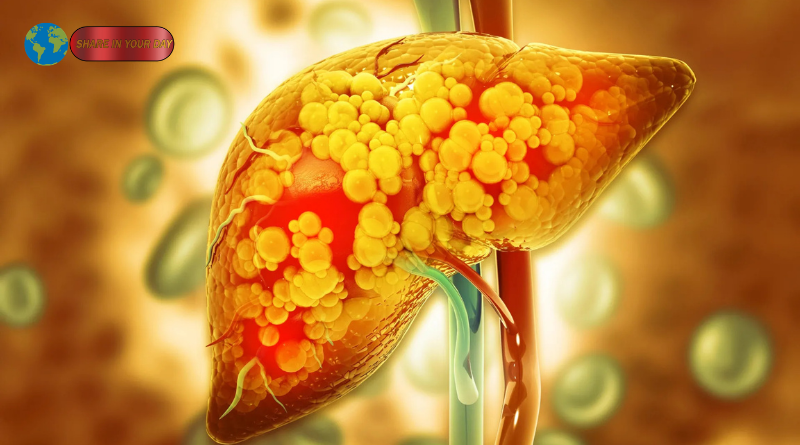
A new clinical trial has delivered a striking finding about the keto diet liver fat connection, suggesting that sharply reducing carbohydrates may provide metabolic benefits beyond weight loss alone. Researchers found that people following a ketogenic diet experienced an average 67% reduction in liver fat after losing roughly 10% of their body weight.
The study, published in Cell Metabolism, compared three popular approaches to weight loss: a very-low-carbohydrate ketogenic diet, a Mediterranean diet, and a very-low-fat, plant-forward diet. Although participants in all three groups lost a similar amount of weight, the ketogenic group showed the largest improvements in several measures of liver and metabolic health.
The results could add an important dimension to the ongoing debate over which diet is most effective. Rather than focusing only on the number on the scale, the researchers examined what happened inside the body as participants lost weight.
Keto Diet Liver Fat Results Stand Out
The most notable finding involved liver fat.
Participants following the ketogenic diet reduced their liver fat by an average of 67%. By comparison, both the Mediterranean diet and the low-fat, plant-forward diet produced an average reduction of about 45%.
The difference is particularly important because excess fat in the liver is closely connected with metabolic problems, including insulin resistance and prediabetes.
The researchers wanted to determine whether the composition of a diet could influence these outcomes even when weight loss was similar.
Their trial included 42 people with obesity, prediabetes and fatty liver disease. Participants were randomly assigned to one of three dietary patterns, and researchers adjusted calorie intake so that everyone was expected to lose approximately 10% of their body weight. Food was supplied to participants, while dietitians provided weekly support.
Reaching the weight-loss target took approximately four to five months.
That design is important because it allowed researchers to compare the metabolic effects of different diets without simply comparing people who lost very different amounts of weight.
Why the Ketogenic Diet May Affect Liver Fat
The ketogenic diet used in the trial was extremely low in carbohydrates. About 4% of calories came from carbohydrates, while approximately 73% came from fat.
The Mediterranean diet provided about 50% of calories from carbohydrates and 35% from fat. The plant-forward diet was substantially higher in carbohydrates, with approximately 70% of calories coming from carbohydrates and 15% from fat.
This dramatic difference in macronutrient composition gave researchers an opportunity to examine how the body responded to weight loss under different dietary conditions.
One important observation involved hormones that regulate metabolism.
People in the ketogenic group experienced the largest increase in glucagon, a hormone involved in regulating blood sugar and energy metabolism. They also experienced the greatest decline in insulin levels during the researchers’ 24-hour metabolic measurements.
Both changes may help explain why the ketogenic diet produced a larger reduction in liver fat.
The researchers also observed greater improvements in hepatic insulin sensitivity among participants following the very-low-carbohydrate diet. The full clinical report found that weight loss increased muscle insulin sensitivity by about 50% across the groups, while the increase in hepatic insulin sensitivity was two to three times greater in the ketogenic group.
Keto Diet Liver Fat Improvement Came With Similar Weight Loss
One of the most interesting aspects of the research is that the ketogenic diet did not win simply because participants lost substantially more weight.
Instead, the researchers designed the trial around approximately 10% weight loss in all three groups.
By the end of the intervention, participants across the diets had significantly reduced body fat. Insulin sensitivity also improved across all groups.
However, the ketogenic group demonstrated stronger changes in liver-related metabolic measurements.
This suggests that weight loss and diet composition may have separate effects on metabolic health.
In other words, losing weight can be beneficial regardless of the dietary approach, but the type of diet used to achieve that weight loss may influence where and how the body responds.
The primary study reported that intrahepatic triglyceride content, liver fat production, glycated hemoglobin and 24-hour glucose and insulin measurements decreased most in the very-low-carbohydrate group.
That distinction could become increasingly important as doctors and researchers look beyond general weight loss and focus on specific metabolic outcomes.
Prediabetes Improved Most in the Keto Group
The study produced another notable result involving prediabetes.
After completing the weight-loss intervention, approximately 50% of participants in the ketogenic group no longer met the criteria for prediabetes.
That compared with approximately 29% in the Mediterranean group and 7% in the plant-forward group.
Prediabetes occurs when blood glucose levels are higher than normal but not yet within the range used to diagnose type 2 diabetes.
Because the participants already had metabolic risk factors, the improvement seen in the ketogenic group could have meaningful implications for future research.
However, the findings should not be interpreted as proof that a ketogenic diet prevents diabetes in everyone.
The trial was relatively small, involved a specific group of people with obesity, prediabetes and fatty liver disease, and lasted only about four to five months. Longer and larger studies would be needed to determine whether the differences persist over years and whether they translate into fewer cases of diabetes or cardiovascular disease.
All Three Diets Produced Metabolic Benefits
Despite the attention surrounding the ketogenic results, the study did not show that the Mediterranean or plant-forward diets were ineffective.
Quite the opposite.
Participants in all three groups achieved substantial weight loss and experienced improvements in insulin sensitivity and body fat.
The key difference was the degree of improvement in certain liver and metabolic measurements.
That distinction matters because diet research is often presented as a competition between one “best” diet and all others. The new trial provides a more nuanced picture.
A Mediterranean diet remains widely recognized as a dietary pattern emphasizing vegetables, nuts, olive oil, fish and other minimally processed foods. The plant-forward diet used in this trial emphasized a much higher proportion of carbohydrates and lower dietary fat.
The ketogenic diet, meanwhile, dramatically restricted carbohydrates and increased dietary fat.
Researchers therefore were not comparing three nearly identical versions of healthy eating. They were deliberately testing very different macronutrient compositions.
Researchers Found No Increase in Several Blood Lipids
Because ketogenic diets can contain substantial amounts of dietary fat, one question surrounding the trial was whether participants would experience worsening blood lipid measurements.
The researchers reported that the ketogenic group did not experience an increase in blood fat or cholesterol levels despite consuming the highest proportion of dietary fat.
The primary research report similarly found no differences among the three groups in LDL cholesterol, apolipoprotein B or 24-hour plasma triglyceride concentrations.
That finding is noteworthy because concerns about cholesterol and cardiovascular risk are among the reasons some people and clinicians remain cautious about high-fat dietary patterns.
Still, the result should be interpreted within the context of this specific clinical trial. It does not establish that every ketogenic diet will produce identical cholesterol responses.
The quality of foods, total calorie intake, individual metabolism and the precise composition of dietary fat can all matter.
What the Study Says About Weight Loss
The broader message from the research may be that how people lose weight can matter as much as how much weight they lose for certain metabolic outcomes.
All three groups were designed to achieve similar weight loss. Yet the ketogenic diet generated larger improvements in several measurements involving the liver.
Samuel Klein, the study’s corresponding author at Washington University School of Medicine in St. Louis, said the findings suggest reducing carbohydrate intake may have therapeutic effects beyond weight loss in people with high liver fat and prediabetes.
The study therefore adds evidence to a growing body of research examining the relationship between macronutrients and metabolic health.
It also arrives at a time when obesity treatment is rapidly changing.
Medications based on GLP-1 pathways have become important tools for achieving substantial weight loss. The researchers noted that dietary composition could potentially provide additional metabolic benefits alongside weight-loss strategies.
Does This Mean Everyone Should Try Keto?
Not necessarily.
The study provides evidence about a specific population, not a universal prescription for every adult.
People with obesity, prediabetes or liver disease should discuss major dietary changes with a qualified healthcare professional, particularly if they take medications that affect blood glucose or have other medical conditions.
A ketogenic diet can also be difficult to maintain for some people because it significantly restricts carbohydrate-rich foods. The long-term effects of following such a restrictive dietary pattern were not addressed by this relatively short trial.
Likewise, the study does not establish that ketogenic diets are superior to Mediterranean or plant-forward diets for every health outcome.
Instead, it suggests that very-low-carbohydrate eating may have particular advantages for liver metabolism and blood-sugar regulation during weight loss among people with metabolically unhealthy obesity.
The Bigger Picture for Fatty Liver Disease
The findings could be especially relevant to research into metabolic dysfunction-associated steatotic liver disease, commonly abbreviated MASLD.
Excess liver fat is an important marker of metabolic dysfunction, and reducing it is a major goal of interventions aimed at improving metabolic health.
The researchers’ findings indicate that the liver may respond differently depending on the macronutrient composition of the diet used to produce weight loss.
The primary paper concluded that very-low-carbohydrate weight loss produced greater cardiometabolic benefits, particularly in hepatic metabolic function, than comparable weight loss achieved through a Mediterranean or very-low-fat plant-forward diet in the studied population.
That does not settle the broader question of which diet is “best.”
Instead, it raises a more useful question: Which dietary pattern is most effective for a particular person and a particular metabolic problem?
What Comes Next?
The researchers say future work will need to investigate the mechanisms behind the metabolic differences observed in the trial.
One important area will be understanding why carbohydrate restriction produced a much larger reduction in liver fat despite similar overall weight loss.
Researchers may also need to determine whether the benefits remain after longer periods and whether they translate into clinically important outcomes such as reduced progression from prediabetes to type 2 diabetes.
Another question is how dietary interventions compare with modern obesity medications, including GLP-1-based treatments, when the goal is not only weight loss but also improvement in liver health and insulin sensitivity.
For now, the study provides a compelling piece of evidence that diet composition can influence metabolic outcomes independently of the amount of weight lost.
The Takeaway
The latest findings put the keto diet liver fat relationship firmly in the spotlight.
In this randomized clinical trial, participants following a very-low-carbohydrate ketogenic diet reduced liver fat by an average of 67%, compared with approximately 45% in both the Mediterranean and low-fat, plant-forward groups.
All three groups lost about 10% of their body weight, but the ketogenic group showed larger improvements in several measures of liver metabolism. About half of participants on keto also moved out of the prediabetes range, compared with 29% on the Mediterranean diet and 7% on the plant-forward diet.
The findings are promising, but they are not a reason to assume that keto is automatically the best diet for everyone.
Instead, the research highlights an increasingly important idea in nutrition science: the metabolic effects of weight loss may depend not only on how much weight a person loses, but also on how that weight loss is achieved.
As larger and longer studies explore these findings, the role of carbohydrate restriction in treating fatty liver disease, prediabetes and other metabolic conditions could become clearer.
Source: ScienceDaily, reporting research from Cell Press and Washington University School of Medicine.
Primary research: Effect of diet macronutrient content on the cardiometabolic response to weight loss: A randomized clinical trial, published in Cell Metabolism on August 27, 2026.