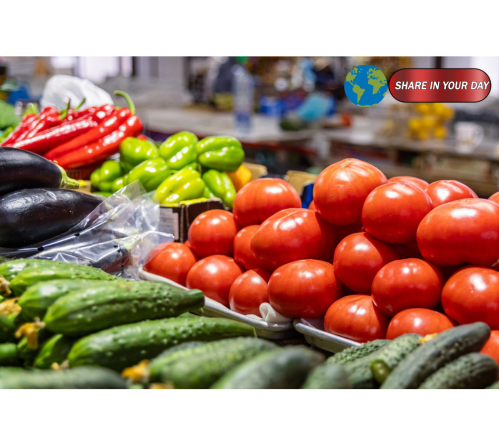
Food Insecurity: 5 Ways Glenn Heights Market Can Help
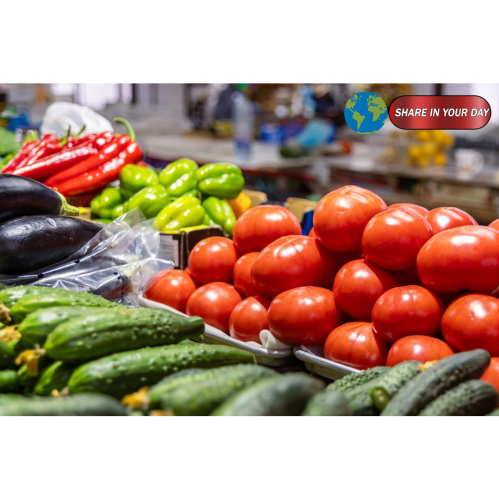
GLENN HEIGHTS, Texas — Food insecurity remains a significant challenge for communities across southern Dallas County, where access to affordable, nutritious food can be difficult for some households. A new community farmers market in Glenn Heights aims to help address that problem by bringing fresh produce and other locally produced goods closer to residents.
The initiative highlights a growing effort to improve food access through community-based solutions. Rather than relying exclusively on traditional grocery stores and large food distribution systems, local markets can connect consumers with farmers, food producers and small businesses.
Glenn Heights’ new market also comes amid broader concerns about food insecurity in Dallas County. Local health officials have previously identified the county as an area with substantial challenges related to access to adequate food, particularly for children and households with limited financial resources.
The distinction matters because food insecurity is not simply about whether food exists in a community. It also involves whether residents can afford nutritious options, reach stores that sell them and consistently obtain enough food for their families.
By creating another place to purchase fresh products, Glenn Heights is adding a community-level approach to a problem that requires sustained attention from local governments, food producers and residents.
1. Food Insecurity Remains a Challenge in Southern Dallas County
Food insecurity occurs when households lack reliable access to sufficient, affordable and nutritious food. It can affect people across different age groups and backgrounds, although families with limited incomes often face greater obstacles.
In southern Dallas County, the issue intersects with transportation, household budgets and the availability of nearby food retailers.
For residents without reliable access to a vehicle, shopping for groceries can require additional time and money. Even when a supermarket is technically accessible, transportation costs, work schedules and childcare responsibilities can make regular shopping difficult.
The problem becomes more complicated when nearby retailers offer limited fresh produce or when healthier food choices cost more than households can comfortably afford.
According to a KERA report published on October 15, 2026, Glenn Heights Mayor Sonja Brown has expressed reservations about describing affected communities as food deserts. The report instead draws attention to the broader circumstances that shape access to food in southern Dallas County.
The terminology reflects an important distinction. Describing a neighborhood as a food desert can make the problem sound primarily geographic, even though affordability, transportation and the availability of nutritious products also influence people’s choices.
The phrase food apartheid is sometimes used to emphasize how historical inequalities, public policy, economic conditions and patterns of investment can contribute to unequal access to healthy food.
Regardless of the terminology, the practical challenge remains the same: residents need dependable ways to obtain nutritious food without placing excessive pressure on household finances.
2. Glenn Heights Launches a Community Farmers Market
Glenn Heights is introducing a new community farmers market as part of an effort to expand local access to fresh products.
According to the city’s published event information, the market is scheduled to open on Saturday, October 17, 2026, at the Glenn Heights DART Park and Ride, located at 1200 E. Bear Creek Road.
The announced market hours are 9 a.m. to 1 p.m.
The planned offerings include fresh produce, honey, farm goods, baked products, plants, flowers, specialty foods and handmade items.
The market provides a local venue where residents can explore products from participating vendors without necessarily traveling to more distant shopping destinations.
However, the market’s long-term effect on food insecurity will depend on several factors, including vendor participation, operating frequency, product availability and prices.
A farmers market can improve geographic access to food, but it does not automatically make groceries affordable for every household.
For the initiative to reach residents experiencing the greatest financial pressure, affordability and accessibility will be just as important as the variety of products available.
Official event information: The City of Glenn Heights provides details through its farmers market calendar listing.
3. Fresh Food Access Could Improve Community Health
Access to nutritious food is an important part of public health.
Fresh fruits and vegetables provide vitamins, minerals, fiber and other nutrients that support overall health. When households cannot consistently afford or obtain these foods, maintaining a balanced diet becomes more difficult.
Food insecurity can also create uncertainty around meals. Families may have to stretch groceries across several days, purchase less expensive alternatives or reduce the amount of food available at certain times.
These pressures can affect both physical well-being and emotional health.
Children are particularly vulnerable because adequate nutrition supports growth, development and learning. Adults facing food insecurity may also struggle to balance nutritional needs with other essential expenses, including housing, utilities, transportation and medical care.
A community farmers market can create another opportunity for residents to find fresh food close to home.
Nevertheless, the presence of fresh produce alone does not guarantee improved dietary outcomes. Prices must remain manageable, and residents need practical ways to incorporate the products into their everyday meals.
Markets may become more useful when they work alongside nutrition education, community food programs and initiatives that help low-income households purchase healthy products.
The broader objective is to make nutritious food a realistic option rather than a choice that competes with other basic necessities.
4. Food Insecurity in Dallas County Requires More Than One Solution
Glenn Heights’ initiative is part of a larger conversation about food access throughout Dallas County.
In an April 2025 report, KERA cited local data indicating that Dallas County’s food insecurity rate was approximately 25% in 2022. The report compared that figure with roughly 20% nationally and 23% across Texas.
Those figures describe conditions in 2022 and should not be interpreted as current 2026 estimates. However, they illustrate the scale of the challenge documented by local officials.
Food insecurity is influenced by several interconnected factors, which means a single market is unlikely to resolve the problem independently.
Transportation and geographic access
Some households face difficulties reaching grocery stores that provide a broad selection of affordable, nutritious products.
Community markets, mobile food programs and neighborhood food distribution sites can help reduce the distance residents must travel to obtain fresh ingredients.
Their effectiveness depends on convenient locations, appropriate operating hours and reliable access to transportation.
Household income and grocery prices
Even when nutritious food is available nearby, the cost can remain a significant obstacle.
Families must balance food purchases against rent, electricity, healthcare, childcare and other necessary expenses. Unexpected costs can make an already difficult household budget even tighter.
Programs that support affordable produce, food assistance benefits and subsidized market purchases can help reduce these financial barriers.
Availability of nutritious products
Not all food retailers provide the same selection of fresh ingredients.
Markets that work with local farmers and food producers may expand the variety of products available to residents. However, maintaining a dependable supply is essential, particularly for households that need to plan meals around predictable shopping opportunities.
Community coordination
Local governments, nonprofits, schools, farmers and food assistance organizations can address different parts of the problem.
Coordinated efforts can help residents identify available resources while connecting food producers with communities that need greater access to nutritious products.
Dallas County already has programs designed to improve food access. Its Health and Human Services food and nutrition initiatives include Wellness on Wheels, a mobile market program intended to bring affordable produce and related health resources into underserved communities.
These approaches demonstrate why food access is best addressed through a combination of neighborhood-level initiatives and broader public health programs.
5. Local Farmers and Small Businesses Could Benefit
Community farmers markets can also create economic opportunities for farmers, food producers and small businesses.
By offering a local sales venue, markets may allow vendors to reach customers who would otherwise be difficult to access through conventional retail channels.
For smaller agricultural operations, direct sales can provide an additional source of revenue. Producers may also gain opportunities to introduce customers to seasonal crops, locally produced goods and specialty products.
Bakers, artisans, plant sellers and other small businesses can benefit from the same community setting.
For Glenn Heights, the market’s announced selection of produce, honey, baked goods, flowers and handmade products creates an opportunity to bring different vendors and customers together.
However, the economic benefits will depend on customer demand, operating costs and the market’s ability to attract repeat visitors.
Organizers must also consider whether the products being sold meet the needs of residents experiencing food insecurity.
A market can attract visitors and support local businesses without necessarily reaching households that struggle most with grocery expenses.
For that reason, the initiative’s broader success should be assessed through both its economic contribution and its ability to improve access to nutritious food.
Making the Market More Accessible to Families
Several practical measures could strengthen the market’s contribution to food security.
Affordable pricing
Vendors and organizers could explore ways to keep essential produce within reach of households with limited budgets.
Discounts, seasonal produce bundles and partnerships with community organizations may help residents purchase nutritious ingredients at manageable prices.
Food assistance partnerships
Where eligible and operationally supported, accepting Supplemental Nutrition Assistance Program benefits through approved payment arrangements could make a market more accessible to qualifying households.
Organizers would need to confirm the relevant authorization and payment infrastructure before advertising SNAP acceptance.
Partnerships with local food assistance organizations could also help residents learn about available services.
Convenient operating hours
Market schedules should consider the needs of residents who work multiple jobs, care for children or rely on public transportation.
Predictable hours make it easier for shoppers to plan their visits and for vendors to build a regular customer base.
Community feedback
Residents can help identify the products they need, the prices they can afford and the practical obstacles that prevent them from shopping locally.
Surveys, community meetings and feedback collected during market events could help organizers make adjustments over time.
These measures would not eliminate the structural causes of food insecurity, but they could help make the market more responsive to local needs.
How Community Markets Fit Into the Wider Food Assistance Network
Farmers markets are only one part of the support system available to households experiencing food insecurity.
Food banks, community pantries, mobile markets, school meal programs and public nutrition assistance can provide complementary forms of support.
Some programs focus on emergency food distribution. Others help families obtain groceries regularly or connect residents with health services and nutrition education.
Dallas County’s urban agriculture and food access initiatives describe efforts involving community gardens, farm stands and farmers market development.
These initiatives recognize that improving food access requires attention to how food is grown, distributed and made available to residents.
Community gardens can provide opportunities to grow produce and strengthen neighborhood connections. Mobile markets can bring products to underserved areas. Traditional food assistance programs can help fill gaps for households that cannot afford to purchase everything they need.
Glenn Heights’ new market could complement these approaches by offering another local destination for food shopping.
The key is coordination. Residents are more likely to benefit when they know where to find affordable groceries, how to access available assistance and when local markets will operate.
Measuring Whether the Glenn Heights Market Makes a Difference
The market’s opening is an important first step, but its long-term impact will require evaluation.
Attendance figures can show whether residents are visiting. Vendor participation can help measure whether the market is creating a useful sales opportunity for local businesses.
Neither measure, however, is sufficient to establish whether food insecurity is declining.
Organizers could also examine the affordability of essential products, the range of fresh foods available and whether households with limited incomes are participating.
Feedback from residents could reveal whether the location is convenient, whether prices are manageable and whether the market provides products that families regularly need.
Longer-term assessments might examine changes in access to fresh produce and the effectiveness of partnerships with food assistance organizations.
Such evaluations would help distinguish between a popular community event and a program that produces measurable improvements in food access.
They could also identify practical changes needed to make the initiative more inclusive.
The Broader Challenge of Food Insecurity in Texas
Food insecurity is not limited to southern Dallas County. Communities across Texas face challenges related to grocery affordability, transportation, household income and access to nutritious food.
Addressing the problem requires both immediate assistance and sustained investment in the systems that make food available.
Emergency food programs can help households facing immediate shortages. Longer-term approaches can focus on economic stability, neighborhood infrastructure, local food production and access to affordable grocery retailers.
Community markets offer one potential bridge between these priorities.
They can provide a place for residents to purchase fresh products while supporting local vendors and encouraging stronger relationships between producers and consumers.
Still, the approach must be tailored to local circumstances. A market that works well in one neighborhood may need different operating arrangements, pricing strategies or partnerships in another.
Glenn Heights’ initiative will therefore be most valuable if it develops in response to the experiences of the residents it is intended to serve.
Conclusion: A Local Step Toward Better Food Access
Glenn Heights’ new community farmers market highlights the role local initiatives can play in addressing food insecurity across southern Dallas County.
By creating another location for residents to find fresh produce and other locally produced goods, the market has the potential to strengthen connections between consumers, farmers and small businesses.
Its impact, however, will depend on more than the availability of products. Affordable prices, convenient access, community participation and partnerships with existing food assistance programs will all influence how effectively it serves local households.
Dallas County’s documented food insecurity challenges demonstrate why these efforts matter. They also show why community markets should complement, rather than replace, broader measures addressing the financial and structural barriers that prevent families from obtaining adequate food.
As Glenn Heights prepares to launch its market, the central question is whether the initiative can become a dependable resource for residents who need better access to nutritious food.
If the program remains responsive to community needs and develops strong partnerships, it could become a useful part of the area’s wider effort to improve food access and support local food producers.
Ultimately, the goal is straightforward: ensuring that more households can obtain the food they need to maintain healthy lives without facing unnecessary financial or logistical barriers.