Shohei Ohtani: 5 Key Facts on Dodgers’ NLCS Move
The Los Angeles Dodgers have returned Shohei Ohtani to the leadoff position for Game 4 of the National League Championship Series, making a significant lineup change as their postseason campaign approaches a critical moment. With the Milwaukee Brewers holding a commanding 3-0 series lead before Thursday’s game, manager Dave Roberts is hoping that a familiar batting order can help revive his team’s struggling offense.
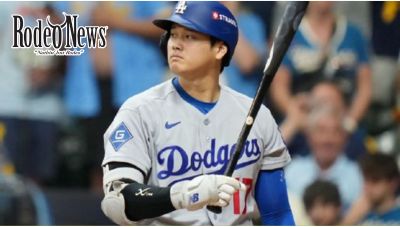
The decision came after Ohtani was moved down to sixth in the lineup for Game 3, a 6-2 Dodgers defeat. The adjustment reflected the team’s urgent need to find a more productive offensive combination while also managing concerns about the superstar’s physical condition.
According to reporting by ESPN’s Alden Gonzalez, Ohtani had even been considered for a possible rest day before the Dodgers decided to put him back at the top of the order. The move placed one of baseball’s most recognizable players in a familiar position as Los Angeles attempted to keep its championship hopes alive.
1. Shohei Ohtani Returns to the Leadoff Spot
Ohtani’s return to the leadoff position represented a shift back toward the lineup arrangement the Dodgers have relied on for much of his tenure with the club.
The four-time Most Valuable Player had occupied several different positions in the batting order during the postseason as the team searched for an effective combination. He batted fourth in the opening games of the series before dropping to sixth for Game 3.
That change made his latest promotion especially notable. Rather than continuing to experiment with a lower position, Roberts chose to restore Ohtani to a role that had become familiar to both the player and the rest of the lineup.
The Dodgers entered Game 4 needing a victory to avoid elimination. In that situation, the decision was about more than individual statistics. The team needed to create scoring opportunities early, apply pressure to Milwaukee’s pitching staff and give its best hitters more chances to influence the game.
Ohtani’s combination of power, patience and speed makes him a potentially valuable presence at the top of the order. If he can reach base consistently, the hitters behind him have an opportunity to capitalize on scoring chances.
However, changing a player’s position does not automatically solve an offensive slump. The Dodgers still needed better execution throughout the lineup to turn the adjustment into meaningful results.
2. The Dodgers Faced Elimination After Three Straight Losses
The Dodgers entered Game 4 trailing the Brewers three games to none in the best-of-seven National League Championship Series.
That deficit left Los Angeles with virtually no room for another mistake. A fourth consecutive loss would end its season and send Milwaukee to the World Series.
The pressure was particularly significant because the Dodgers were attempting to continue their pursuit of a third consecutive championship. Their postseason ambitions depended on reversing the series against a Brewers team that had placed them in a difficult position.
The 6-2 defeat in Game 3 intensified the urgency. Although Los Angeles managed to score twice, its offense did not produce enough to overcome Milwaukee.
In response, Roberts made several changes to the batting order rather than relying on the same arrangement that had struggled in the previous games.
Ohtani’s promotion was the most prominent adjustment, but it was not the only one. Mookie Betts moved into the second spot, Freddie Freeman was placed third, and Will Smith moved into the cleanup position.
These changes were designed to give the Dodgers a different offensive look while retaining familiar players in prominent roles.
The challenge was substantial. A team trailing 3-0 in a best-of-seven postseason series must win four consecutive games to advance. Only one team had previously overcome that deficit in MLB postseason history, underscoring the difficulty of the task facing Los Angeles.
Nevertheless, the Dodgers still had a game to play. Their immediate priority was to win Game 4 and extend the series rather than focus on the entire comeback at once.
3. Dave Roberts Backed Ohtani Despite His Recent Slump
Roberts’ decision to restore Ohtani to the leadoff position came after a difficult stretch at the plate.
The Dodgers star had struggled to produce his usual offensive impact, prompting questions about whether a different lineup position or a rest day might help him regain his rhythm.
After Game 3, Ohtani had a .182 batting average in the series. He recorded one hit and drew a walk in two official at-bats during the 6-2 defeat, but the overall offensive production had not matched expectations.
The manager nevertheless expressed confidence in the work Ohtani had done during recent training sessions.
Roberts indicated that he liked what he had seen from the hitter’s recent at-bats and believed the change could provide a useful reset. Returning Ohtani to a familiar position also offered a sense of continuity at a time when the Dodgers were searching for answers.
The decision demonstrated the balance managers must strike during the playoffs. A struggling star can benefit from rest or a change in responsibilities, but removing that player from a prominent role can also reduce opportunities to make an impact.
For Roberts, the priority was to give the Dodgers their best chance to score while showing confidence in a player with a proven record of postseason production.
Whether that confidence would translate into results remained to be seen when Game 4 began.
4. Shohei Ohtani’s Injuries Add to the Dodgers’ Challenge
Ohtani’s offensive struggles have unfolded alongside physical issues involving his right biceps and left knee. Those concerns have complicated the Dodgers’ efforts to get their superstar back to his usual level of production.
The injuries have affected his preparation and contributed to uncertainty about how best to use him during the postseason. Although Ohtani remained in the lineup for Game 3, the possibility of resting him showed how seriously the organization was considering his physical condition.
According to Reuters, Ohtani had gone seven postseason games without a home run or an RBI entering Game 4. His batting average stood at .182, reflecting a difficult stretch for a player who normally provides a major source of power. <Cite refs={[“turn707177news14″,”turn753090search1”]}/>
Those numbers were especially striking given his established reputation as one of baseball’s most dangerous offensive players. Ohtani had delivered significant postseason contributions during the Dodgers’ previous championship run, making his current slump an important concern for the team.
Still, the Dodgers had to consider more than statistics when deciding how to handle him. A player’s physical condition, swing mechanics, confidence and ability to recover between games can all affect performance.
Returning Ohtani to the leadoff spot was one way to maintain his involvement while giving him a familiar role. The decision did not eliminate the injury concerns, but it indicated that Roberts believed Ohtani could contribute more effectively from the top of the order.
The Dodgers needed to balance urgency with caution. Pushing a player too hard can create additional risks, while reducing his playing time during an elimination game can also carry significant consequences.
5. The New Dodgers Lineup Puts Pressure on the Entire Offense
Ohtani’s promotion was part of a broader effort to reshape the Dodgers’ lineup.
Betts moved to second, with Freeman hitting third and Smith batting cleanup. Kyle Tucker occupied fifth, followed by Teoscar Hernández, Miguel Rojas, Andy Pages and Kiké Hernández.
The arrangement offered a different combination of left-handed and right-handed hitters while returning several established players to familiar positions.
Betts, in particular, had a crucial role to play. Batting behind Ohtani gave him an opportunity to drive in runs if the leadoff hitter reached base. Freeman and Smith then provided additional opportunities to extend innings and turn baserunners into runs.
However, the lineup could succeed only if the Dodgers improved their overall approach at the plate. One productive hitter cannot consistently compensate for a team-wide shortage of timely hits.
Milwaukee also presented a difficult challenge. The Brewers had won the first three games through a combination of pitching, timely hitting and effective execution in important situations.
For Los Angeles, the priority was to generate early offense without becoming overly aggressive. Working counts, reaching base and taking advantage of mistakes could help force Milwaukee to use its bullpen earlier than planned.
The Dodgers also needed to limit wasted opportunities. In postseason baseball, missed chances with runners on base can quickly become decisive, particularly when a team is playing under elimination pressure.
The lineup changes suggested that Roberts was willing to make adjustments rather than simply repeat the previous approach. The question was whether those changes could help the Dodgers rediscover the consistency that had made them championship contenders.
Why the Leadoff Decision Matters
The leadoff position is traditionally associated with players who can reach base, create scoring opportunities and put pressure on opposing pitchers.
Ohtani offers a different profile from a conventional contact-focused leadoff hitter. His power means that even a single plate appearance can change a game, while his ability to draw walks can create opportunities for the hitters behind him.
Putting him first also increases the possibility that he will receive additional plate appearances during a close game. That can be particularly valuable when a team needs to maximize the opportunities available to its best hitters.
Nevertheless, the move carries some risk. If Ohtani continues to struggle, the Dodgers could lose early scoring opportunities and leave pressure on the middle of the order.
Roberts appeared willing to accept that risk because of Ohtani’s experience in the role and the team’s urgent need for an offensive spark.
The decision also carried a psychological dimension. Restoring a familiar lineup arrangement can help players settle into their responsibilities after a series of unsuccessful adjustments. At the same time, it sends a message that the manager believes the team can still compete.
For the Dodgers, the goal was straightforward: find a combination that could produce enough runs to win and give the pitching staff a chance to protect a lead.
What the Decision Means for the Dodgers’ Championship Hopes
The Dodgers’ decision to restore Ohtani to the leadoff position highlighted the uncertainty surrounding their postseason campaign.
The team entered Game 4 facing a three-game deficit against a Brewers squad that had controlled the series. Los Angeles needed to win immediately to avoid elimination and keep its championship ambitions alive.
Ohtani’s return to the top of the order offered a familiar starting point. His talent and previous postseason success made him an obvious player to rely on, even as injuries and a prolonged slump raised questions about his current effectiveness.
The move also demonstrated the limited options available to a team under pressure. Roberts could rest Ohtani, keep him lower in the lineup or restore him to a position where he had traditionally been most comfortable. He ultimately chose the third option.
That choice reflected confidence in the player’s ability to respond, but it did not guarantee an immediate turnaround. The Dodgers still needed contributions from Betts, Freeman, Smith and the rest of the lineup to overcome Milwaukee’s advantage.
Ultimately, the decision was about creating the best possible conditions for a comeback, one game at a time. The Dodgers could not erase the three losses that had put them in danger, but they could attempt to change the outcome of the next game.
Ohtani’s return to leadoff gave Los Angeles a familiar offensive arrangement and a potential source of renewed momentum. Whether it would be enough to change the direction of the series remained the central question heading into Game 4.
For the Dodgers, the stakes could hardly have been higher. Their season depended on finding answers quickly, and the decision to put Ohtani back at the top of the lineup was one of their most visible attempts to do so.