Apple Raises Older iPhone Prices by $100: Revealed
Apple has made an unexpected move that could change the buying decision for millions of smartphone shoppers: Apple raises iPhone prices on several older models by $100.
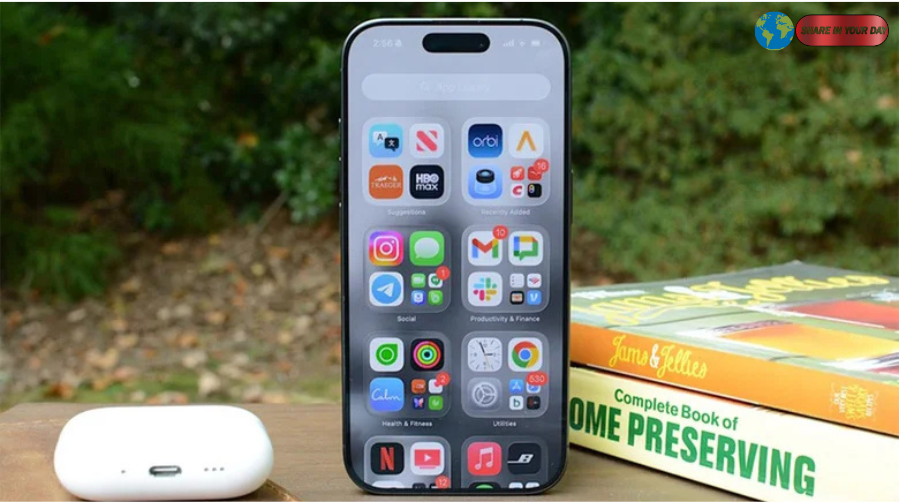
The price increase comes immediately after Apple’s September 2026 product event, where the company unveiled its new iPhone 18 Pro and iPhone 18 Pro Max, along with the highly anticipated iPhone Duo foldable. Rather than lowering prices on older models as it has often done after a new generation arrives, Apple has increased the cost of several phones that remain in its lineup. TThe Verge+1
The change means shoppers looking for a more affordable iPhone may now have fewer attractive options.
The iPhone 16, for example, is now listed at $799 in the U.S., compared with its previous $699 starting price. The iPhone 17e with 256GB of storage has also increased from $599 to $699, while the iPhone 17 now starts at $899. Apple’s iPhone Air has similarly moved from $999 to $1,099. TThe Verge
That is a significant reversal of the traditional expectation that older flagship phones become cheaper when new models arrive.
Apple raises iPhone prices across older models
The most surprising part of the announcement is not simply the higher cost of the new iPhones.
Apple has also raised prices on models that are no longer its newest flagship devices.
According to reporting from Engadget and The Verge, Apple increased the prices of all previous-generation iPhones that it continues to sell by $100. EEngadget+1
For consumers, the timing is particularly important.
Many shoppers wait for Apple’s annual September event before purchasing an older iPhone. Historically, that strategy can make sense because previous-generation models often become cheaper once new devices arrive.
This year, however, that assumption has been turned upside down.
Instead of receiving an automatic discount, buyers could pay more for the same hardware.
The move gives Apple more room to position its newest devices as premium products while maintaining higher prices across much of its existing lineup.
iPhone 16 now costs $799
The iPhone 16 is one of the clearest examples of Apple’s pricing change.
The phone previously started at $699 in the U.S. Its new starting price is $799, representing a $100 increase. TThe Verge
For shoppers, that puts the older iPhone much closer to newer models.
The price difference between generations therefore becomes less straightforward.
A consumer considering an older iPhone may now ask whether saving money is worth giving up newer hardware. At the same time, buyers who simply want the cheapest iPhone available from Apple have fewer choices.
The pricing shift could also influence how consumers approach carrier deals, trade-ins and refurbished models.
Third-party retailers may still offer older inventory at lower prices. However, Apple’s own pricing establishes a new reference point for the company’s current lineup.
iPhone 17e and iPhone Air also become more expensive
Apple’s price changes are not limited to the iPhone 16.
The iPhone 17e, which previously started at $599 for 256GB, now costs $699. The iPhone 17 has moved to $899, while the iPhone Air has increased to $1,099. TThe Verge
That creates a much more expensive entry point for consumers who want a recent iPhone without paying for Apple’s newest Pro models.
The iPhone 17e had been positioned as one of the more accessible ways to enter Apple’s latest generation. A $100 increase changes that equation.
Meanwhile, the iPhone Air now sits firmly in four-figure territory.
For buyers who care primarily about price, this could make Apple’s older models less compelling than they were just days ago.
Why did Apple raise iPhone prices?
The price increases come at a time when the smartphone industry is facing higher component costs, particularly for memory.
Reports have pointed to a global memory shortage driven partly by demand from artificial intelligence infrastructure. AI data centers require enormous amounts of memory and other computing components, increasing pressure throughout the supply chain. BBusiness Insider+1
Apple’s new iPhone 18 Pro models also cost $100 more than their predecessors.
The iPhone 18 Pro starts at $1,199, while the iPhone 18 Pro Max starts at $1,299. RReuters+1
The company therefore appears to be dealing with higher costs across the smartphone lineup at the same time it is introducing more expensive hardware.
However, consumers should be careful about assuming that the $100 increase on every older model has one single cause.
Apple has not simply announced that every price change is directly attributable to one component. Market reports and analysts have instead connected the broader increases to rising memory and manufacturing costs.
That distinction matters.
The AI boom is affecting smartphone prices
The connection between artificial intelligence and smartphone prices may seem surprising.
Yet modern AI systems require enormous data centers filled with advanced processors and memory. As technology companies expand their AI infrastructure, demand for high-performance components has surged.
That can affect other industries that depend on the same supply chain.
Smartphones are particularly sensitive because memory is a major component in modern devices. Higher costs can eventually influence manufacturing expenses and retail pricing.
Reports indicate that Apple’s price increases are part of a wider industry trend rather than an isolated decision. Google and Samsung have also faced higher prices for some of their latest smartphones. TThe Verge
That means consumers could be entering a period in which annual smartphone upgrades become more expensive.
Apple’s new iPhone 18 Pro starts at $1,199
Apple’s new flagship pricing helps explain the changing structure of the lineup.
The iPhone 18 Pro starts at $1,199, while the Pro Max begins at $1,299. Both represent $100 increases compared with the starting prices of the previous generation’s corresponding Pro models. RReuters+1
Apple has added several hardware improvements to justify the premium.
The iPhone 18 Pro lineup includes the new A20 Pro chip, upgraded cameras and a variable-aperture camera system. Apple has also introduced additional AI-related features and moved further toward its own cellular modem technology. RReuters
But those improvements come at a cost.
For consumers who were already stretching their budgets to purchase an iPhone, an additional $100 can make the difference between upgrading now and keeping their existing phone for another year.
The $1,999 iPhone Duo changes Apple’s premium strategy
Apple also introduced a completely new category with the iPhone Duo.
The company’s first foldable iPhone starts at $1,999, making it dramatically more expensive than conventional iPhones. RReuters+1
The Duo features a 7.6-inch internal display and a 5.4-inch external display. It is designed to function as both a smartphone and a larger multitasking device.
Apple is also positioning the device as a premium technology product rather than an affordable alternative.
That matters because Apple’s overall lineup is now spreading across a much wider price range.
At one end are older conventional iPhones. At the other are premium Pro models and the $1,999 foldable.
The $100 price increase on older models therefore gives Apple more space between the bottom and top of its current lineup.
Is the iPhone 16 still worth buying?
The answer depends heavily on the price a shopper can actually find.
At Apple’s official $799 starting price, the iPhone 16 is less attractive than it was when it cost $699.
However, the phone still offers a modern processor, a strong camera system, USB-C connectivity and access to Apple’s software ecosystem.
For shoppers who find a discounted iPhone 16 through a retailer or carrier, it could remain a strong option.
The key is no longer simply comparing the iPhone 16 with Apple’s current price.
Buyers should compare the actual street price with newer models, refurbished devices and carrier promotions.
Apple’s price increase makes that comparison more important than ever.
Should you buy an older iPhone now?
Consumers who were planning to buy an older iPhone should not necessarily panic.
Apple’s retail price is only one part of the market.
Retailers frequently discount previous-generation devices. Carriers may also offer promotional credits for customers who trade in an existing phone or switch plans.
Refurbished devices can provide another alternative.
The most important thing is to compare the total cost rather than focusing only on Apple’s advertised starting price.
For example, a $799 iPhone 16 may be less appealing at full price than a discounted newer model. Conversely, a heavily discounted iPhone 16 could still represent excellent value.
The price increase does not automatically make every older iPhone a bad purchase.
It simply means buyers need to shop more carefully.
Apple is changing the traditional upgrade equation
For years, one of the easiest strategies for iPhone shoppers was to buy last year’s model after Apple announced a new generation.
That approach relied on predictable price reductions.
The latest changes disrupt that pattern.
If Apple continues raising or maintaining prices on older devices, consumers may have to rethink when they buy.
Waiting for the newest iPhone could still make sense for buyers who want the latest features. But those looking for a bargain can no longer assume Apple’s own store will offer the cheapest option after launch day.
This could push more consumers toward carrier promotions, third-party retailers and refurbished marketplaces.
It could also encourage people to keep their existing phones longer.
Longer smartphone lifespans could become more attractive
Higher prices may have another effect: consumers could simply upgrade less frequently.
Modern iPhones are powerful enough to remain useful for several years. Software support, security updates and increasingly capable hardware mean that replacing a phone every year is not necessary for most people.
The Associated Press recently highlighted the growing importance of keeping smartphones longer as device improvements become more incremental and consumers seek to reduce electronic waste. AAP News
That trend could become even stronger if flagship prices continue climbing.
Someone with a relatively recent iPhone may decide that keeping the current device for another year is better than paying hundreds of dollars for an upgrade.
Apple’s pricing move could have a wider impact
The significance of Apple’s decision extends beyond the company’s own customers.
Apple remains one of the world’s most influential smartphone manufacturers. Its pricing decisions can influence competitors, retailers and consumer expectations.
If higher component costs persist, other smartphone manufacturers could face similar pressure.
The result could be a broader industry shift toward higher average selling prices.
Reports already indicate that Google and Samsung have raised prices on certain newer devices. TThe Verge
That would make 2026 an important year for smartphone pricing.
Instead of the usual pattern of better technology at roughly similar prices, consumers could be entering an era in which new features arrive alongside noticeably higher costs.
What Apple’s $100 increase means for buyers
The biggest takeaway is simple: don’t assume an older iPhone automatically becomes cheaper after Apple’s September event.
This year, the opposite happened.
Apple increased the price of the iPhone 16 by $100 and also raised prices on other previous-generation models it continues to sell. EEngadget+1
At the same time, Apple’s new iPhone 18 Pro models are more expensive, and the new iPhone Duo occupies an entirely new premium tier.
For shoppers, combination of Apple’s premium product strategy and broader cost pressures affecting smartphone components, particularly memory. However, consumers should distinguish confirmed pricing changes from analyst explanations about why those prices moved that means the traditional Apple lineup has become more expensive from top to bottom.
The best strategy may be to compare prices across Apple, authorized retailers, carriers and refurbished sellers before making a purchase.
Buyers should also consider whether they genuinely need an upgrade.
If an existing iPhone still performs well, keeping it for another year may be the simplest way to avoid the higher prices altogether.
The bottom line
Apple’s decision to increase older iPhone prices by $100 is one of the more unusual pricing moves in the company’s recent history.
The change means shoppers who expected discounts after the arrival of the iPhone 18 Pro may instead encounter higher prices for several older models.
The reasons behind the move appear connected to a combination of Apple’s premium product strategy and broader cost pressures affecting smartphone components, particularly memory. However, consumers should distinguish confirmed pricing changes from analyst explanations about why those prices moved.
For now, the practical message for iPhone shoppers is clear.
Shop around before buying.
Apple’s own store may no longer be the obvious place to find the best price on an older iPhone. Retail promotions, trade-in offers and refurbished devices could become increasingly important as smartphone prices rise.
And with Apple now selling everything from the $799 iPhone 16 to the $1,999 iPhone Duo, the company’s smartphone lineup has never been more expensive — or more varied.
Internal Link
[RELATED: Add your website’s latest iPhone buying guide or Apple news article here]
Recommended Image
Use an official Apple product image or a properly licensed editorial image showing the current iPhone lineup.